Chuck Eye Roast Slow Cooker Recipe (Guide)
Alright, let’s talk about a cut of beef that doesn’t get nearly enough love in the culinary world-the chuck eye roast. Often overshadowed by the more famous ribeye or chuck shoulder roast, the chuck eye is sometimes called the ’poor man”s ribeye”, and for very good reason.
- Flavor-packed: This cut comes from the upper part of the chuck primal, right near the ribeye. That means it has excellent marbling, giving it a deep, rich, beefy flavor that melts in your mouth when cooked low and slow.
- Affordable: Compared to ribeye, chuck eye is much easier on your wallet, making it perfect for family dinners or meal prepping without compromising on taste.
- Versatile: You can braise it, roast it, or-our focus today-slow cook it to perfection, resulting in a fork-tender, melt-in-your-mouth experience.
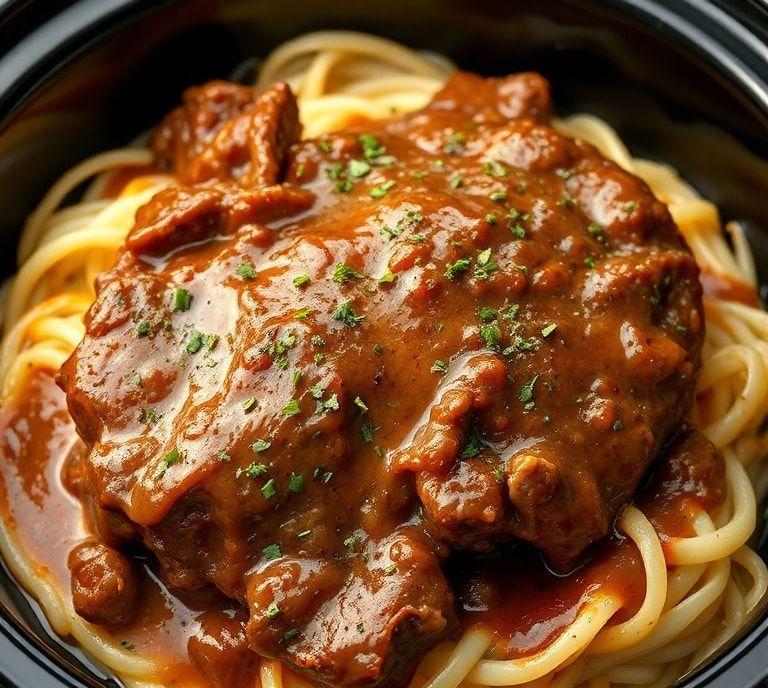
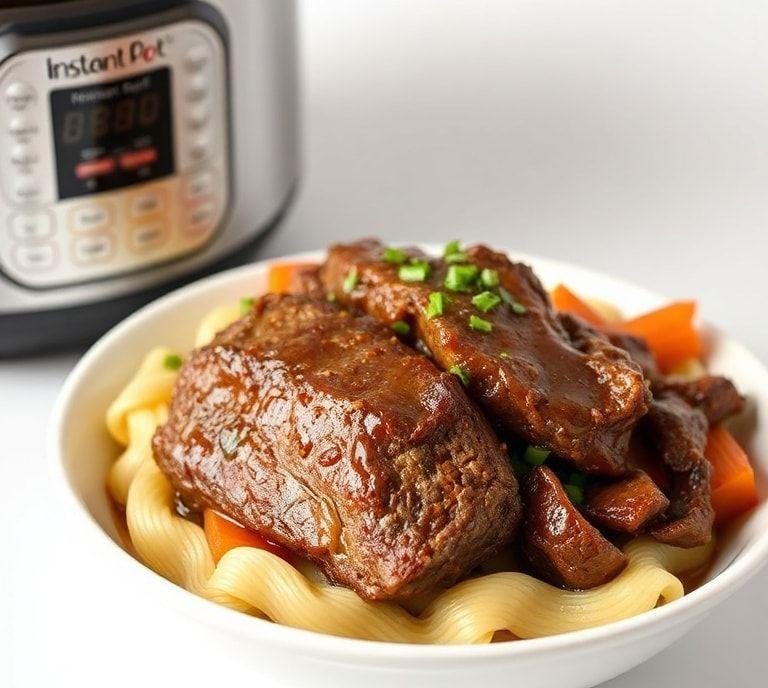
The slow cooker is basically a magic box for this cut. Throw in your ingredients, set it, forget it, and come back to a dish that smells like a five-star meal, with tender beef practically begging to be shredded over mashed potatoes or tucked into sandwiches.
Chuck Eye Roast Slow Cooker Recipe
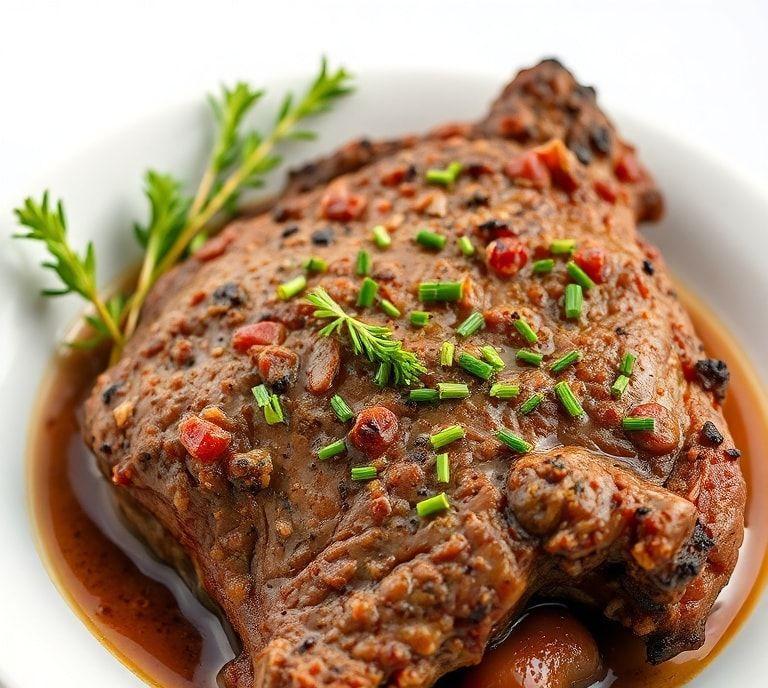
The beauty of the slow cooker is its ability to transform a humble cut into something luxurious with minimal effort. This recipe is all about simplicity, flavor, and flexibility, perfect for beginners and seasoned cooks alike. You’ll end up with a roast that’s so tender, it practically falls apart at the touch of a fork, swimming in a rich, savory gravy that’s packed with aromatics and herbs.
Ingredient List
Here’s everything you’ll need to pull off this slow-cooked masterpiece. I’ll include optional ingredients too, so you can tweak it to your liking:
Main Ingredients
- 3-4 lb chuck eye roast
- 2 tablespoons olive oil or vegetable oil (for searing)
- 1 large onion, sliced
- 4 cloves garlic, minced
- 4 carrots, peeled and cut into chunks
- 3-4 stalks celery, chopped
- 1-2 cups beef broth (adjust depending on slow cooker size)
- 1 cup red wine (optional, but adds depth)
- 2 tablespoons tomato paste
Seasonings & Herbs
- 1 teaspoon salt (or to taste)
- 1/2 teaspoon black pepper
- 1 teaspoon smoked paprika (optional, for extra flavor)
- 1 teaspoon dried thyme
- 1 teaspoon dried rosemary
- 2-3 bay leaves
Optional Add-ins
- Mushrooms for earthy depth
- Potatoes or sweet potatoes for a complete one-pot meal
- Worcestershire sauce or soy sauce for umami boost
Instruction Guide
Now, let’s break it down step by step. I’ll walk you through the slow cooking process like we’re chatting in the kitchen together:
- Prep the roast: Pat your chuck eye roast dry with paper towels-this is key to getting a nice sear. Sprinkle both sides generously with salt, pepper, and smoked paprika.
- Sear for flavor: Heat olive oil in a large skillet over medium-high heat. Sear the roast 3-4 minutes per side until it’s beautifully browned. This step locks in juices and gives your dish a caramelized depth.
- Layer the slow cooker: Place onions, garlic, carrots, and celery at the bottom of the slow cooker. Nestle the seared roast on top.
- Add liquids and seasonings: Pour in beef broth and red wine. Stir in tomato paste, thyme, rosemary, and bay leaves. Make sure the liquid covers at least halfway up the roast.
- Slow cook: Cover and cook on LOW for 8-10 hours or HIGH for 4-5 hours. The roast should be fork-tender and easy to shred.
- Finishing touch: Remove the roast, let it rest for 10 minutes, then slice or shred. Optionally, thicken the juices with a cornstarch slurry (1 tbsp cornstarch + 2 tbsp cold water) over medium heat in a pan to make a luscious gravy.
Ingredient Swaps
Life happens, and sometimes you don’t have exactly what the recipe calls for. No problem:
- Beef broth: Chicken or vegetable broth works in a pinch, though the flavor will be slightly lighter.
- Red wine: Grape juice or extra broth can replace wine if you prefer non-alcoholic.
- Tomato paste: Ketchup or crushed tomatoes can work for sweetness and depth.
- Herbs: Fresh herbs can replace dried; just double the quantity for freshness.
- Vegetables: Swap carrots for parsnips, celery for fennel, or add bell peppers for a slightly different flavor profile.
Helpful Tips
- Don’t skip searing: It adds layers of flavor that slow cooking alone can’t achieve.
- Low and slow is best: Patience is key. The longer cooking time at low heat guarantees that tender, melt-in-your-mouth texture.
- Check liquid levels: You want enough liquid to braise the meat but not drown it.
- Rest before slicing: Let the meat rest 10-15 minutes after cooking to retain juices.
- Use a meat thermometer: The internal temperature should reach about 190°F if you plan to shred, or 135-145°F for sliceable roast.
Customization Ideas
Want to get creative? Here’s how you can take your chuck eye roast to the next level:
- Spicy twist: Add crushed red pepper flakes or a dash of hot sauce.
- Sweet-savory: Toss in some apple slices or a tablespoon of brown sugar for caramelized depth.
- Asian-inspired: Replace broth with beef stock + soy sauce, ginger, and a dash of sesame oil.
- Herb-forward: Fresh rosemary, thyme, and parsley added at the end can brighten the dish.
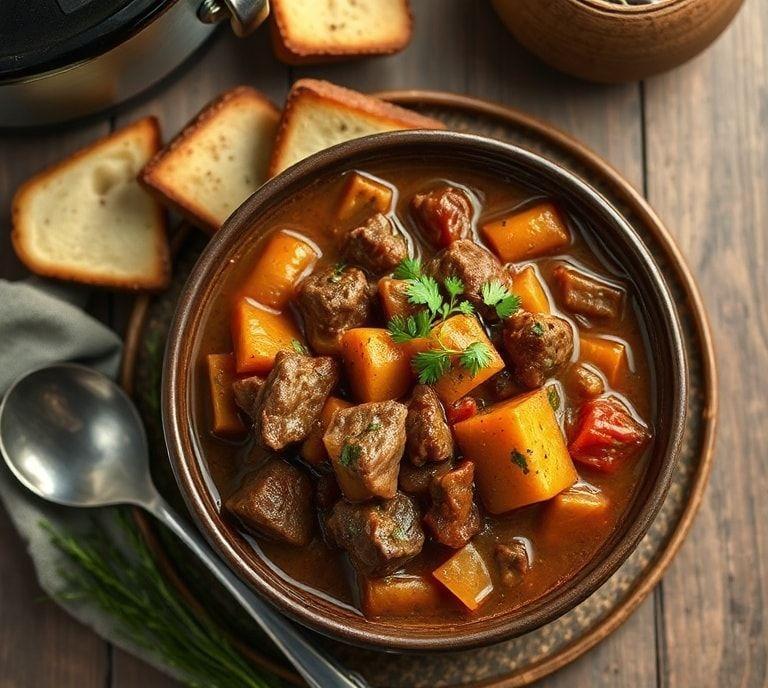
- Complete one-pot meal: Add small potatoes, turnips, or parsnips about halfway through cooking for a self-contained dinner.
FAQs
What Is A Chuck Eye Roast And Why Is It Good For Slow Cooking?
A chuck eye roast comes from the shoulder area of the cow and is known for its rich marbling and flavorful meat. Its connective tissue breaks down slowly when cooked over low heat, making it ideal for slow cooker recipes where tenderness and flavor development are key.
How Long Should I Cook A Chuck Eye Roast In A Slow Cooker?
Cooking times depend on the size of the roast and the heat setting. Typically, a 3-4 pound chuck eye roast should be cooked on low for 8-10 hours or on high for 4-6 hours. Slow cooking allows the meat to become tender and easy to shred or slice.
Should I Sear The Chuck Eye Roast Before Putting It In The Slow Cooker?
Searing the roast before slow cooking is optional but recommended. Browning the meat on all sides helps develop deeper flavor through the Maillard reaction and creates a richer sauce or gravy in the slow cooker.
What Vegetables Pair Well With A Slow-cooked Chuck Eye Roast?
Classic vegetables for slow-cooked chuck eye roast include carrots, potatoes, onions, celery, and parsnips. These root vegetables absorb the flavorful cooking juices and complement the richness of the meat.
Can I Use A Chuck Eye Roast For Shredding Or Slicing?
Yes, slow-cooked chuck eye roast can be shredded for sandwiches or tacos due to its tender texture after long cooking. It can also be sliced if cooked to the point where it holds its shape but is still tender.
What Seasonings Work Best With A Slow-cooked Chuck Eye Roast?
Common seasonings include garlic, rosemary, thyme, black pepper, salt, paprika, and bay leaves. You can also add Worcestershire sauce, beef broth, or red wine to enhance the depth of flavor in the slow cooker.
How Much Liquid Should I Add To A Slow Cooker Chuck Eye Roast?
Generally, 1 to 2 cups of liquid such as beef broth, wine, or a combination is sufficient. The slow cooker generates steam, so the meat will cook in its own juices along with the added liquid, keeping it moist and flavorful.
Can I Freeze Leftovers From A Slow-cooked Chuck Eye Roast?
Yes, leftovers can be stored in airtight containers and frozen for up to 3 months. To maintain flavor and texture, freeze the meat with some of the cooking juices and reheat slowly to avoid drying it out.
Is It Necessary To Remove Fat From The Chuck Eye Roast Before Slow Cooking?
Not entirely. A thin layer of fat can enhance flavor and keep the meat moist during cooking. However, excess fat can be trimmed off before or after cooking if desired.
Can I Use A Slow Cooker To Make A Chuck Eye Roast Tender Without A Lot Of Hands-on Effort?
Absolutely. The slow cooker is perfect for this cut because it allows the meat to cook at a low, steady temperature for several hours, breaking down tough connective tissue and producing tender, flavorful results with minimal effort.