Traditional Hungarian Goulash Slow Cooker Easy Recipe (Guide)
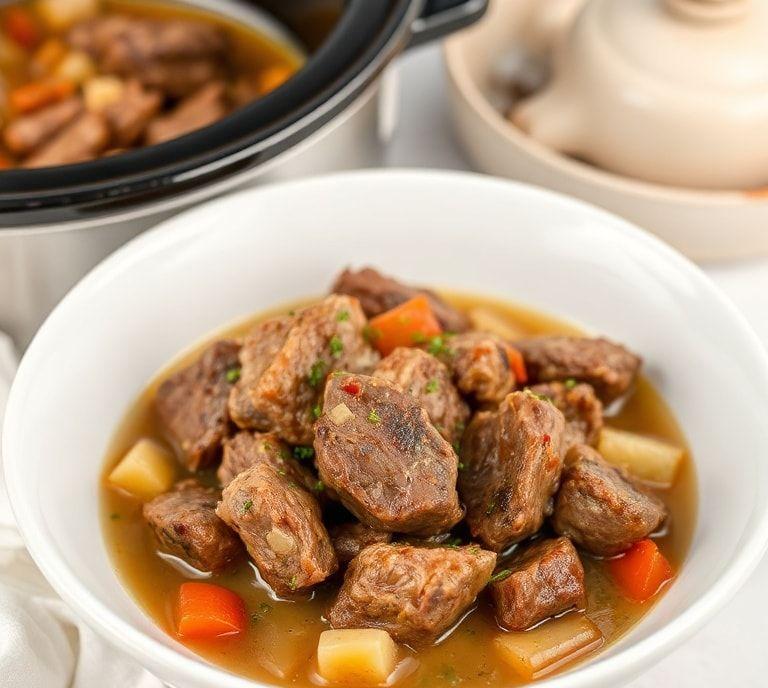
Ah, Hungarian goulash-a dish that practically radiates comfort, warmth, and a sense of home with every bite. This isn’t just any beef stew; it’s a rich, aromatic blend of tender meat, smoky paprika, onions, and a melody of other flavors that make your kitchen smell heavenly for hours. Traditionally, goulash is a Hungarian treasure, simmered slowly to perfection over a low flame. But let’s be honest-few of us have the time to hover over a stove for hours. That’s where the slow cooker comes to the rescue. This version of the classic recipe brings the magic of Hungary straight to your kitchen with minimal effort, making it perfect for busy weeknights, cozy weekends, or even meal prepping for the week. And trust me, the slow cooker doesn’t just save time; it intensifies flavors, tenderizes meat to buttery perfection, and gives you a one-pot wonder that feels indulgent without being complicated.
Traditional Hungarian Goulash Slow Cooker Easy Recipe

This slow cooker goulash balances authenticity with convenience. By using classic ingredients like beef, onions, paprika, and caraway seeds, you’re staying true to Hungarian culinary traditions. At the same time, the slow cooker technique simplifies the process, allowing the flavors to marry over several hours with almost zero supervision. Think of it as bringing centuries-old Hungarian culinary wisdom into your modern kitchen. The outcome? A thick, hearty stew with melt-in-your-mouth beef, a slightly smoky and sweet paprika-infused broth, and just the right balance of seasoning.
Ingredient List
To make this goulash truly shine, here’s what you’ll need:
- 2 lbs beef chuck roast, cut into 1-inch cubes (for tender, flavorful meat)
- 2 large onions, finely chopped (for sweetness and depth)
- 3 cloves garlic, minced (adds aromatic punch)
- 2 tablespoons sweet Hungarian paprika (the star of the dish!)
- 1 teaspoon smoked paprika (optional, for a subtle smokiness)
- 1 teaspoon caraway seeds (traditional, slightly nutty flavor)
- 2 medium carrots, sliced into rounds (for color and natural sweetness)
- 2 medium potatoes, peeled and diced (to thicken and add substance)
- 1 bell pepper, chopped (red or yellow for sweetness)
- 4 cups beef broth (for the liquid base; can be substituted with stock)
- 1 can (14.5 oz) diced tomatoes, with juices (for slight acidity and richness)
- 2 tablespoons tomato paste (to deepen flavor)
- Salt and pepper, to taste
- 2 tablespoons flour (optional, for thickening)
- Fresh parsley, chopped (for garnish)
Instruction Guide
Here’s where the magic happens, step by step:
- Prep the beef: Pat the beef cubes dry with a paper towel. This helps them brown more efficiently if you decide to sear them first (optional, but highly recommended for deeper flavor).
- Optional searing: Heat a bit of oil in a skillet over medium-high heat. Brown the beef cubes on all sides in batches, then transfer them to your slow cooker. This step intensifies the stew’s richness.
- Layer the aromatics: Add chopped onions, garlic, carrots, potatoes, and bell peppers on top of the beef.
- Season generously: Sprinkle paprika, smoked paprika, caraway seeds, salt, and pepper evenly over the mixture.
- Add liquids: Pour in the beef broth, diced tomatoes, and tomato paste. Stir gently to combine, ensuring the seasonings and liquid coat all the ingredients.
- Cook low and slow: Cover the slow cooker and cook on low for 7-8 hours or high for 4-5 hours. The beef should be tender enough to shred with a fork, and the vegetables soft but not mushy.
- Optional thickening: If you prefer a thicker goulash, mix 2 tablespoons of flour with a small amount of water to create a slurry. Stir this into the stew during the last 30 minutes of cooking.
- Finish and garnish: Taste for seasoning and adjust salt and pepper as needed. Sprinkle freshly chopped parsley before serving.
Ingredient Swaps
Don’t have everything on hand? No problem! Here are some swaps that won’t compromise taste:
- Beef alternatives: Chuck roast is traditional, but brisket or short ribs also work beautifully.
- Vegetable variations: Swap potatoes for parsnips or turnips for a slightly different flavor profile.
- Paprika types: If you can’t find Hungarian paprika, a sweet Spanish paprika works, though the flavor will be slightly different.
- Broth substitutes: Chicken or vegetable broth can be used in a pinch, but beef broth is ideal for depth.
- Caraway seeds: If unavailable, fennel seeds or a tiny pinch of cumin can mimic the nutty warmth.
Helpful Tips
- Browning the meat isn’t mandatory, but highly recommended for richer flavor.
- Layering vegetables strategically-harder veggies like carrots and potatoes at the bottom, softer ones on top-ensures even cooking.
- Avoid over-stirring during slow cooking to prevent the meat from breaking down too much.
- Adjust consistency: If the goulash is too thin, cook uncovered for the last 30 minutes; if too thick, add a splash of broth.
- Let it rest: Goulash often tastes even better the next day as flavors meld.
Customization Ideas
- Spicy twist: Add a finely chopped chili pepper or a pinch of cayenne for a subtle kick.
- Creamy variation: Stir in a spoonful of sour cream just before serving for richness.
- Vegetarian option: Replace beef with hearty mushrooms or lentils, and use vegetable broth.
- Herbal accents: Try adding a bay leaf during cooking or a touch of thyme for extra aroma.
- Serving ideas: Serve over buttered egg noodles, rice, or with a crusty bread to soak up the delicious sauce.
FAQs
What Ingredients Are Essential For A Traditional Hungarian Goulash In A Slow Cooker?
The essential ingredients include beef (preferably chuck or stewing beef), onions, garlic, Hungarian sweet paprika, caraway seeds, beef broth, tomatoes or tomato paste, bell peppers, potatoes, salt, and black pepper. Optional additions can include carrots, parsnips, or a small amount of vinegar for balance.
How Long Should Traditional Hungarian Goulash Cook In A Slow Cooker?
Cooking time varies depending on the slow cooker setting. On low heat, it typically takes 6 to 8 hours, and on high heat, it takes 3 to 4 hours. The goal is for the meat to become tender and the flavors to meld thoroughly.
Can I Use A Different Type Of Meat Instead Of Beef For This Recipe?
Yes, you can substitute pork shoulder or lamb for beef, but traditional Hungarian goulash is usually made with beef. Adjust cooking times as needed, since pork and lamb may cook slightly faster than beef in a slow cooker.
Do I Need To Brown The Meat Before Adding It To The Slow Cooker?
Browning the meat is optional but recommended. Searing the beef in a skillet before adding it to the slow cooker enhances flavor and gives the goulash a richer, deeper taste.
Which Type Of Paprika Should I Use For Authentic Flavor?
For an authentic taste, use Hungarian sweet paprika. Avoid smoked or hot paprika unless you want to add a different flavor profile. Sweet paprika gives the goulash its signature vibrant color and slightly sweet aroma.
Can I Make This Recipe Vegetarian Or Vegan?
Yes, you can replace beef with hearty vegetables like mushrooms, eggplant, or seitan, and use vegetable broth instead of beef broth. While it won’t be traditional, it can still capture the characteristic paprika flavor.
Should Potatoes Be Added At The Beginning Of Cooking?
It’s better to add potatoes during the last 1.5 to 2 hours of cooking on low or the last 30 to 45 minutes on high. This prevents them from becoming too mushy while allowing them to absorb the rich flavors of the goulash.
How Can I Thicken The Goulash If It Is Too Watery?
To thicken goulash, you can remove the lid during the last 30 minutes of cooking to let some liquid evaporate. Alternatively, mix a small amount of flour or cornstarch with cold water and stir it into the goulash, then cook for an additional 15-20 minutes.
Is It Possible To Prepare This Recipe In Advance?
Yes, goulash often tastes even better the next day as the flavors develop further. You can prepare it ahead of time and store it in the refrigerator for 2-3 days or freeze it for up to 3 months.
What Are Traditional Side Dishes To Serve With Hungarian Goulash?
Traditional side dishes include fresh bread, egg noodles, dumplings, or boiled potatoes. Some also serve it with a simple cucumber salad or pickled vegetables to complement the rich, paprika-infused flavors.