Slow Cooked Lamb Pieces Recipe (Guide)
Slow-cooked lamb is one of those dishes that immediately evokes warmth, comfort, and a sense of home. There’s something almost magical about the way the flavors meld together when tender lamb is cooked low and slow. Unlike quick-cooked meat that can sometimes end up dry or tough, slow cooking transforms even modest cuts of lamb into succulent, melt-in-your-mouth bites.
- Why slow cooking works so well for lamb: Lamb naturally has a rich flavor, and when cooked slowly, the connective tissues break down, infusing the meat with deep, savory flavors.
- A sensory experience: Imagine cutting into a piece and seeing it effortlessly fall apart, releasing aromatic steam that fills the kitchen with notes of garlic, herbs, and spices.
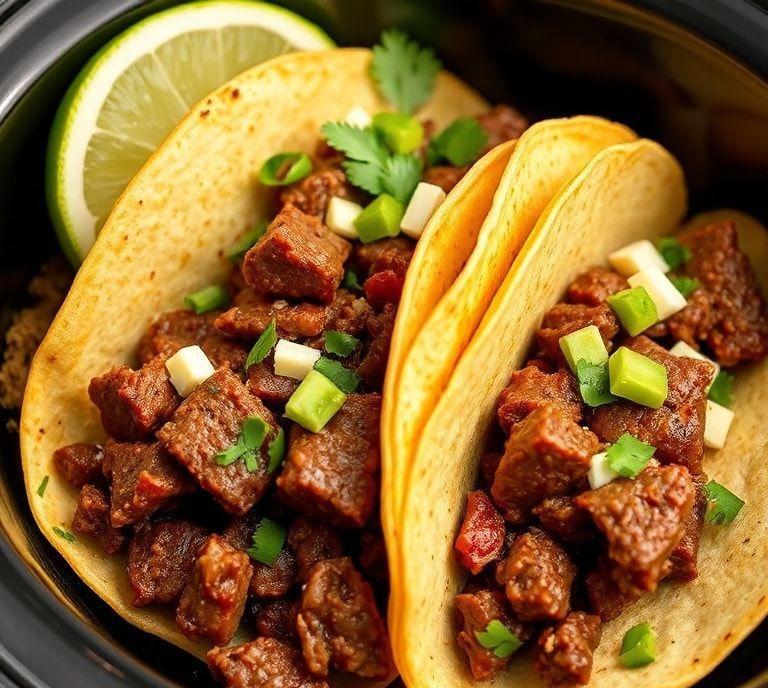
- Versatility: Slow-cooked lamb can be served with rice, mashed potatoes, flatbreads, or even incorporated into hearty stews or tacos.
In this guide, I’m going to take you step-by-step through a slow-cooked lamb pieces recipe that’s easy to follow but packed with flavor, including tips, ingredient swaps, and creative twists to make it your own.
Slow Cooked Lamb Pieces Recipe
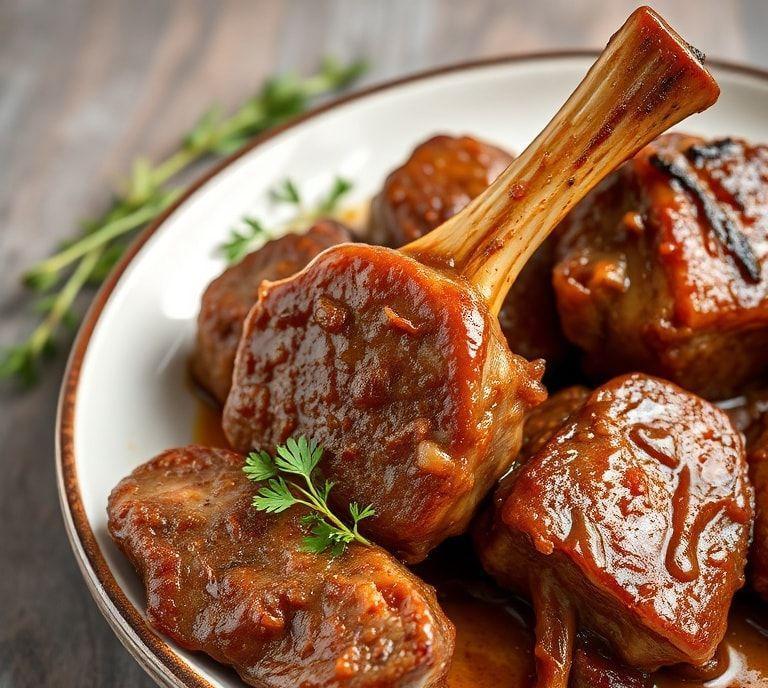
This recipe focuses on tender, juicy lamb pieces that are slowly braised in a fragrant mix of herbs, spices, and aromatics. The goal is to achieve that perfect balance of flavor and texture, where each bite is deeply savory yet tender enough to fall apart at the touch of a fork.
Ingredient List
To make this lamb recipe, you’ll need a combination of fresh aromatics, spices, and liquids that will both tenderize the meat and enhance its natural flavor:
- Lamb pieces – 1.5 to 2 pounds, preferably shoulder or leg cut into bite-sized chunks
- Olive oil – 2 tablespoons for searing
- Onion – 1 large, finely chopped
- Garlic cloves – 4-5, minced
- Carrots – 2 medium, diced (optional for sweetness)
- Celery stalks – 2, diced (optional for aromatic depth)
- Fresh rosemary – 2 sprigs
- Fresh thyme – 2 sprigs
- Bay leaves – 2
- Tomato paste – 2 tablespoons for richness
- Red wine or stock – 1 cup (red wine gives depth, stock keeps it mild)
- Water or additional stock – 1 cup, enough to partially cover the lamb
- Salt and pepper – to taste
- Optional spices – smoked paprika, cumin, or coriander for extra warmth
Instruction Guide
Let’s break it down step by step, making sure nothing is missed and every bite is perfect:
-
Prep Your Ingredients
- Chop your onions, garlic, carrots, and celery.
- Cut lamb into uniform pieces for even cooking.
-
Sear The Lamb
- Heat olive oil in a large pan or Dutch oven over medium-high heat.
- Brown the lamb pieces on all sides to lock in juices. Don’t overcrowd the pan; do it in batches if needed.
-
Cook The Aromatics
- Remove lamb from the pan and sauté onions, garlic, carrots, and celery until softened and fragrant.
- Stir in tomato paste and cook for 1-2 minutes to remove its raw taste.
-
Deglaze The Pan
- Pour in red wine or stock, scraping the bottom to lift the browned bits (this adds incredible depth).
-
Combine And Season
- Return the lamb to the pan.
- Add fresh herbs, bay leaves, and optional spices.
- Pour in enough water or stock to partially submerge the meat.
- Season generously with salt and pepper.
-
Slow Cook
- Cover and simmer gently on low heat for 2.5 to 3 hours, or until lamb is fork-tender.
- Stir occasionally and skim off excess fat if needed.
-
Finishing Touches
- Taste and adjust seasoning.
- Remove herbs and bay leaves before serving.
-
Serve And Enjoy
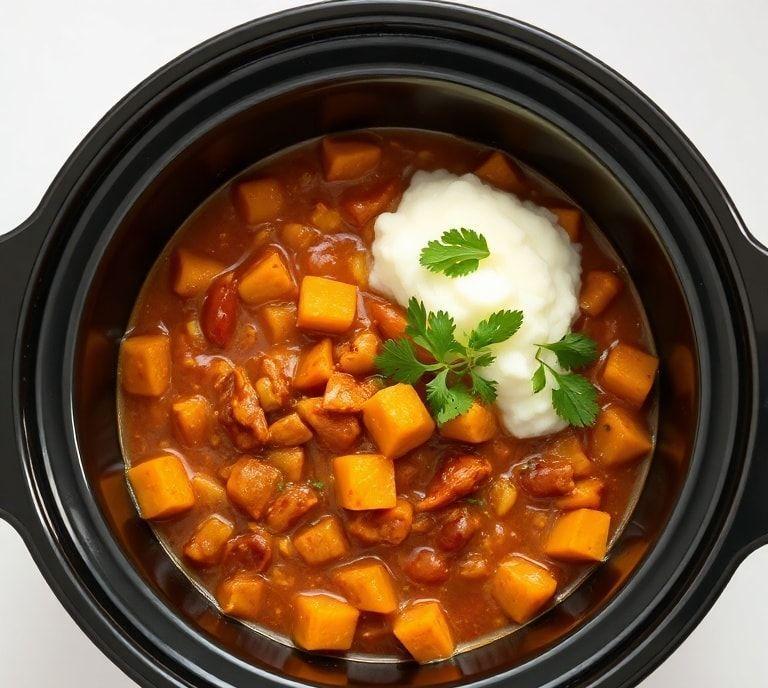
- Pair with creamy mashed potatoes, rice, couscous, or rustic bread to soak up the rich juices.
Ingredient Swaps
If you don’t have certain ingredients, don’t worry-here’s how to adapt:
- Lamb: Shoulder is best, but leg or shank works too. Avoid lean cuts like loin-they dry out.
- Red wine: Can be replaced with extra stock or pomegranate juice for a fruity twist.
- Herbs: If fresh rosemary or thyme aren’t available, dried versions work-use half the amount.
- Aromatics: Shallots or leeks can replace onions; garlic powder in a pinch.
- Vegetables: Bell peppers, parsnips, or mushrooms can be added for variety.
Helpful Tips
To elevate your slow-cooked lamb to restaurant-quality:
- Brown the meat properly: This creates a deeper flavor base.
- Don’t rush the slow cooking: Low and slow is the secret to tender lamb.
- Taste as you go: Adjust salt, pepper, and acidity near the end.
- Skim fat: Lamb can release a lot of fat; skimming keeps the dish balanced.
- Use a heavy-bottomed pot: Ensures even cooking and prevents burning.
Customization Ideas
Make this recipe your own with these creative twists:
- Mediterranean: Add olives, sun-dried tomatoes, and a squeeze of lemon.
- Spicy Moroccan: Incorporate cumin, coriander, cinnamon, and a pinch of chili flakes.
- Indian-inspired: Stir in garam masala, turmeric, and serve with naan or basmati rice.
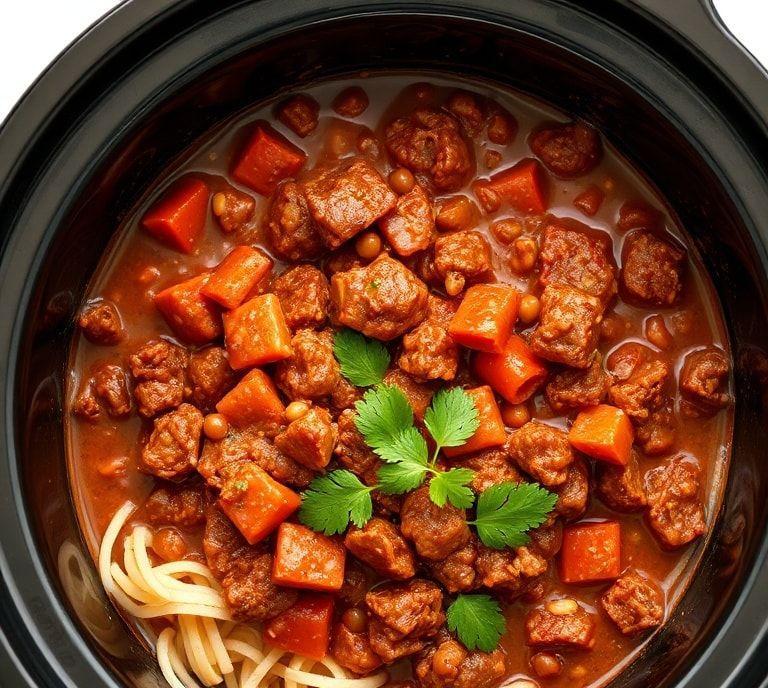
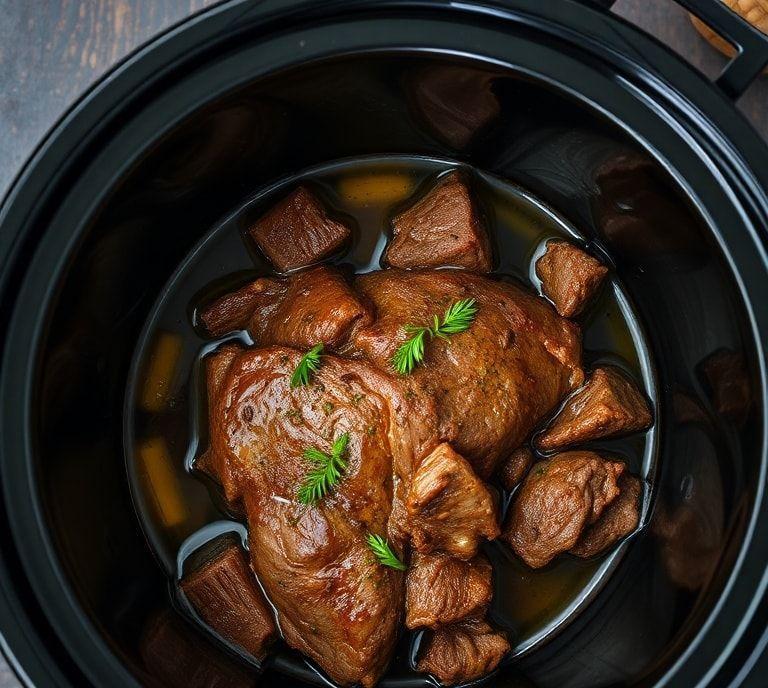
- Slow-cooker version: Brown meat and sauté aromatics on the stove, then transfer to a slow cooker on low for 6-8 hours.
FAQs
What Is The Best Cut Of Lamb For Slow Cooking?
For slow-cooked lamb recipes, cuts with more connective tissue and fat work best, such as shoulder, shank, or leg. These cuts become tender and flavorful after long, slow cooking.
How Long Should Lamb Pieces Be Slow-cooked?
Lamb pieces typically need to be cooked for 2.5 to 4 hours on low heat, depending on the size of the pieces and the cooking method. The meat should be tender and easily pulled apart with a fork.
Should I Sear Lamb Pieces Before Slow Cooking?
Yes, searing lamb pieces in a hot pan before slow cooking helps to lock in flavor and adds a rich, caramelized taste to the dish. However, it is optional if you are short on time.
What Liquids Are Suitable For Slow Cooking Lamb?
You can use a variety of liquids, including beef or chicken stock, wine, tomato sauce, or a combination of these. The liquid helps to keep the meat moist and infuse flavor during slow cooking.
Can I Use A Slow Cooker Or Do I Need An Oven?
Both options work well. A slow cooker is convenient and maintains a consistent low temperature, while an oven allows for browning in a roasting pan before slow cooking. Adjust cooking times according to the method.
How Do I Prevent Lamb From Becoming Dry In Slow Cooking?
To prevent dryness, ensure the lamb pieces are partially submerged in liquid, cook at a low temperature, and avoid lifting the lid frequently. Fatty cuts also naturally stay moist during slow cooking.
What Herbs And Spices Complement Slow-cooked Lamb?
Traditional choices include rosemary, thyme, garlic, bay leaves, cumin, coriander, and paprika. These herbs and spices enhance the lamb’s natural flavor and create a rich aroma during slow cooking.
Can I Freeze Slow-cooked Lamb Pieces?
Yes, fully cooked lamb pieces can be frozen for up to three months. Store them in airtight containers or heavy-duty freezer bags, and reheat gently to retain moisture and texture.
How Can I Thicken The Sauce After Slow Cooking Lamb?
To thicken the sauce, remove the lamb and simmer the cooking liquid on the stove until it reduces, or mix in a slurry of cornstarch and water. Alternatively, adding a small amount of cream or tomato paste can also enhance thickness and richness.
Is Slow-cooked Lamb Healthier Than Other Cooking Methods?
Slow cooking preserves nutrients better than high-heat methods and allows fat to render naturally. However, the healthiness depends on added ingredients and sauces; using minimal added fat and salt makes it a nutritious choice.