Italian Minestrone Soup Slow Cooker Recipe (Guide)
Let’s talk about comfort in a bowl. Italian Minestrone Soup isn’t just soup-it’s a symphony of vegetables, beans, pasta, and herbs simmered together until every spoonful bursts with warmth and flavor. The beauty of minestrone lies in its flexibility. It’s hearty yet wholesome, healthy yet indulgent, and surprisingly simple to make, especially with a slow cooker. Imagine coming home to your kitchen filled with the irresistible aroma of garlic, onions, and herbs melding together all day, ready for a comforting meal without you hovering over the stove. Slow cooker minestrone is the ultimate solution for busy weekdays or a relaxed weekend meal, allowing the ingredients to develop deep, rich flavors while you go about your day.
Not only is this soup a staple in Italian households, but it’s also an incredibly forgiving recipe-you can swap out vegetables, change the pasta, or adjust seasonings to your liking. By the end of this guide, you’ll have everything you need to craft a minestrone that feels personal, delicious, and downright irresistible.
Italian Minestrone Soup Slow Cooker Recipe
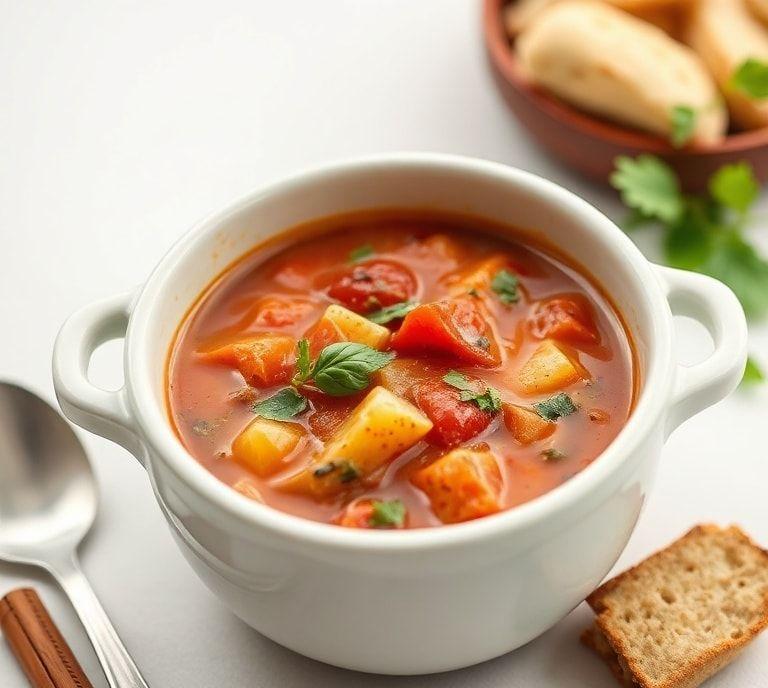
This is the ultimate slow cooker version of the classic Italian minestrone soup. Slow cooking allows the vegetables to release their flavors slowly, the beans to soften perfectly, and the herbs to infuse the broth with an aromatic, almost magical complexity. The end result? A deeply flavorful, hearty, and healthy soup that’s perfect for any occasion.
Ingredient List
Here’s what you’ll need to gather before you start:
Vegetables
- 1 medium onion, diced
- 2 cloves garlic, minced
- 2 medium carrots, peeled and diced
- 2 celery stalks, diced
- 1 zucchini, diced
- 1 yellow squash, diced
- 1 cup green beans, trimmed and chopped
- 1 cup cabbage, chopped (optional, but adds depth)
- 1 can (14 oz) diced tomatoes with juice
Proteins And Legumes
- 1 can (15 oz) cannellini beans or kidney beans, drained and rinsed
- 1 can (15 oz) chickpeas, drained and rinsed (optional for extra protein)
Liquids
- 4 cups vegetable broth (or chicken broth for a non-vegetarian version)
- 1 cup water (adjust for desired thickness)
Grains And Pasta
- 1/2 cup small pasta shapes (elbow macaroni, ditalini, or small shells)
Herbs And Seasonings
- 1 teaspoon dried oregano
- 1 teaspoon dried basil
- 1/2 teaspoon dried thyme
- 1/4 teaspoon crushed red pepper flakes (optional, for a gentle kick)
- Salt and black pepper to taste
- Fresh parsley or basil for garnish
Extras (Optional But Delightful)
- A squeeze of lemon juice before serving for brightness
- A drizzle of extra virgin olive oil on top
- Grated Parmesan cheese for serving
Instruction Guide
Cooking minestrone in a slow cooker is wonderfully simple. Here’s a step-by-step guide:
-
Prepare The Base
- Dice all your vegetables and garlic. There’s no rush-this is your moment to enjoy the vibrant colors and smells.
-
Layer In The Slow Cooker
- Start with onions and garlic at the bottom. Add carrots, celery, zucchini, yellow squash, green beans, and cabbage. Top with canned tomatoes, drained beans, and chickpeas.
-
Add Liquids And Seasonings
- Pour in vegetable broth and water. Sprinkle in oregano, basil, thyme, red pepper flakes, and a generous pinch of salt and pepper.
-
Slow Cook
- Cover and cook on low for 6-8 hours or high for 3-4 hours. The longer it simmers, the more the flavors meld beautifully.
-
Add Pasta
- About 20-30 minutes before serving, stir in the pasta so it doesn’t overcook.
-
Final Touches
- Taste and adjust seasoning if needed. Add a splash of lemon juice or drizzle of olive oil for extra freshness.
-
Serve
- Ladle into bowls, garnish with fresh parsley or basil, and sprinkle with Parmesan if desired. Pair with crusty bread for a full Italian experience.
Ingredient Swaps
One of the best things about minestrone is its flexibility. Here are some ideas:
- Vegetables: Swap zucchini with yellow squash, kale, spinach, or even butternut squash for a seasonal twist.
- Beans: Kidney beans, black beans, or navy beans can replace cannellini.
- Pasta: Orzo, acini di pepe, or even rice or quinoa for a gluten-free option.
- Broth: Vegetable broth keeps it vegetarian; chicken or beef broth adds extra depth.
- Seasonings: Experiment with rosemary, sage, or marjoram instead of or alongside oregano and thyme.
Helpful Tips
- Prep ahead: Chop vegetables the night before to save time in the morning.
- Beans: If using dried beans, soak and cook them first, or use canned for convenience.
- Pasta timing: Add pasta later to prevent it from becoming mushy.
- Thickening: For a heartier soup, mash a few beans against the side of the slow cooker to naturally thicken the broth.
- Flavor boost: A Parmesan rind added while simmering will make the broth richer and more savory.
Customization Ideas
Minestrone is like a blank canvas-you can make it truly your own:
- Protein punch: Add shredded chicken or turkey for a non-vegetarian version.
- Spicy twist: Include chopped jalapeños or a pinch of cayenne.
- Creamy version: Stir in a little cream or coconut milk for a richer texture.
- Seasonal vegetables: Summer brings fresh zucchini and tomatoes; fall is perfect for squash and pumpkin.
- Mediterranean touch: Add olives, artichoke hearts, or sun-dried tomatoes for a flavor twist.
FAQs
What Ingredients Are Typically Used In An Italian Minestrone Soup Slow Cooker Recipe?
Typical ingredients include assorted vegetables such as carrots, celery, onions, zucchini, and tomatoes, along with beans (cannellini or kidney), pasta or rice, garlic, vegetable or chicken broth, olive oil, and Italian herbs such as basil, oregano, and thyme. Some recipes may also include pancetta or Parmesan cheese for added flavor.
Can I Use Dried Beans In A Slow Cooker Minestrone Soup?
Yes, you can use dried beans, but they should be soaked overnight or boiled briefly before adding to the slow cooker to ensure they cook evenly. Using canned beans is more convenient, as they require less cooking time and can be added directly to the slow cooker.
How Long Should Italian Minestrone Soup Cook In A Slow Cooker?
Generally, the soup cooks on low heat for 6-8 hours or on high heat for 3-4 hours. Cooking on low allows the flavors to develop more fully and ensures the vegetables and beans become tender without overcooking.
Can I Make Italian Minestrone Soup Vegetarian Or Vegan?
Absolutely. To make it vegetarian or vegan, use vegetable broth instead of chicken broth, omit any meat products, and ensure any added cheese is vegan or optional. The soup remains hearty and flavorful even without animal-based ingredients.
When Should I Add Pasta Or Rice To The Slow Cooker Minestrone?
Pasta or rice should be added during the last 20-30 minutes of cooking to prevent overcooking and becoming mushy. For gluten-free options, use gluten-free pasta or rice as needed.
Can I Freeze Italian Minestrone Soup Made In A Slow Cooker?
Yes, minestrone soup freezes well. For best results, freeze the soup without pasta, as it can become soggy when thawed. Pasta can be cooked separately and added when reheating.
How Can I Thicken My Italian Minestrone Soup In The Slow Cooker?
You can thicken the soup by pureeing a portion of the vegetables and beans and stirring it back into the pot. Another option is to add small amounts of tomato paste or cooked potatoes to increase the soup’s body without altering flavor.
What Herbs And Spices Enhance The Flavor Of Slow Cooker Minestrone Soup?
Common herbs and spices include basil, oregano, thyme, rosemary, parsley, bay leaves, and a pinch of red pepper flakes. Fresh herbs can be added towards the end of cooking to maintain their vibrant flavor.
Is It Necessary To Sauté Vegetables Before Adding Them To The Slow Cooker?
Sautéing vegetables such as onions, garlic, and carrots before adding them enhances their flavor and brings out natural sweetness. However, it is optional, and the soup will still cook successfully without pre-sautéing.
How Can I Adjust The Flavor If My Minestrone Soup Tastes Bland?
If the soup tastes bland, adjust seasoning with salt and pepper, add a splash of vinegar or lemon juice for brightness, or stir in Parmesan cheese for richness. Fresh herbs added at the end can also enhance overall flavor.