Cornish Hen Slow Cooker Recipe (Guide)
If you’re searching for a meal that is both comforting and impressively flavorful without having to babysit the stove or oven for hours, let me introduce you to the magic of the Cornish hen slow cooker recipe. Cornish hens, those petite, tender birds, are essentially the culinary equivalent of a blank canvas. They’re perfect for soaking up rich flavors, and cooking them in a slow cooker makes the meat impossibly juicy while the skin, if crisped afterward, gives a satisfying contrast.
The slow cooker method isn’t just convenient; it’s almost magical. Imagine walking into your kitchen after a busy day to a dish that smells like it’s been simmering for hours, with perfectly cooked meat that falls off the bone. That’s what we’re aiming for here. And don’t worry-this isn’t complicated. You don’t need professional chef skills or exotic ingredients. With a few simple steps, you can turn a humble Cornish hen into a show-stopping meal.
Cornish Hen Slow Cooker Recipe
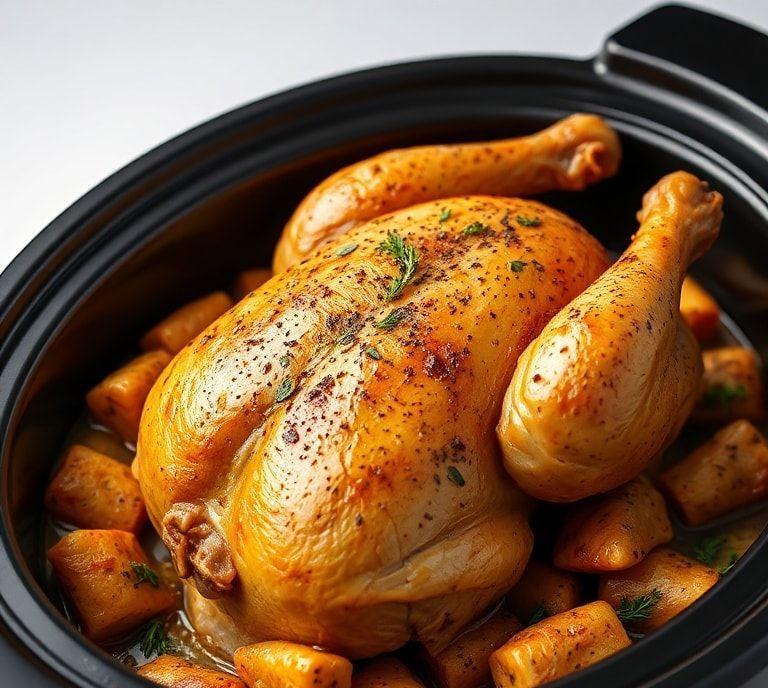
This recipe focuses on simplicity and depth of flavor. The beauty of slow-cooked Cornish hen is that you can experiment with herbs, aromatics, and even citrus to create a dish that feels fancy without the fuss. By the time your hens are done, the kitchen will be filled with an aroma that feels like comfort, celebration, and cozy dinners all rolled into one.
Ingredient List
Here’s a list of the essential ingredients you’ll need. I’ve included optional add-ons and flavor boosters to make your version uniquely yours:
- Cornish hens – 2 small (about 1 to 1.5 pounds each)
- Olive oil – 2 tablespoons for a light coating
- Salt and pepper – to taste; don’t skimp on seasoning!
- Garlic – 4 cloves, minced, or more if you love a garlic-forward flavor
- Fresh herbs – rosemary, thyme, or sage; about 2 teaspoons each, chopped
- Onion – 1 medium, sliced thinly
- Carrots – 2 large, cut into chunks
- Celery – 2 stalks, sliced
- Chicken broth – 1 cup (for moisture and richness)
- Lemon – 1, halved, optional but highly recommended for a fresh, bright flavor
- Butter – 2 tablespoons, optional for basting at the end
Optional Flavor Enhancers
- White wine – ½ cup for a subtle tang and depth
- Paprika or smoked paprika – 1 teaspoon for a gentle smoky undertone
- Bay leaf – 1 for slow-simmered herbal aroma
Instruction Guide
Now, let’s walk through the cooking process in a way that’s easy to follow but still feels like you’re creating a masterpiece:
- Prep the hens: Rinse the Cornish hens under cold water and pat dry with paper towels. Season generously inside and out with salt, pepper, and half of your chosen herbs.
- Brown the hens (optional but recommended): In a skillet over medium heat, add olive oil and sear the hens for 2-3 minutes on each side until golden brown. This step adds depth of flavor but can be skipped if you’re short on time.
- Layer the vegetables: Place onion, carrots, and celery in the slow cooker base. These act as a flavorful bed that keeps the hens elevated slightly above the liquid.
- Add aromatics: Sprinkle minced garlic and the remaining herbs over the vegetables. Squeeze lemon halves over everything and tuck them in for gentle citrus infusion.
- Pour in the liquid: Add chicken broth (and optional wine) to provide moisture during the long cooking process.
- Slow cook: Place the hens on top of the vegetable bed. Cover and cook on LOW for 5-6 hours or HIGH for 3-4 hours, until the meat is tender and internal temperature reaches 165°F (74°C).
- Optional crisping: If you want golden, crispy skin, transfer the hens to a baking sheet and broil in the oven for 3-5 minutes per side after slow cooking.
Ingredient Swaps
Sometimes you want a twist or are missing a few items. No problem-here are some swaps that work beautifully:
- Vegetables: Swap carrots and celery for parsnips, sweet potatoes, or bell peppers.
- Herbs: Dried herbs can replace fresh, just reduce the quantity by half. Oregano, tarragon, or marjoram work surprisingly well.
- Liquid: Use vegetable broth or even apple cider for a slightly sweet twist. Coconut milk can add a creamy, exotic flavor.
- Citrus: Lime or orange can replace lemon for a unique flavor profile.
Helpful Tips
To take your Cornish hen slow cooker game from ’good’ to ’amazing’:
- Patience is key: Resist the urge to peek constantly; slow cookers hold heat well and need time to build flavor.
- Layer flavors: Put herbs, aromatics, and spices both under the hens and inside the cavity for maximum infusion.
- Check liquid levels: Ensure at least ½ cup of liquid remains in the slow cooker to prevent drying out.
- Don’t overcrowd: Each hen should have room around it for even cooking.
- Rest before serving: Let the hens sit for 5-10 minutes after cooking to allow juices to redistribute.
Customization Ideas
Here’s where you can have some fun and make the dish your own:
- Mediterranean twist: Add olives, sun-dried tomatoes, and a splash of balsamic vinegar.
- Asian flair: Use soy sauce, ginger, and a touch of honey instead of traditional herbs.
- Autumn vibe: Toss in diced butternut squash and a sprinkle of cinnamon or nutmeg for a cozy seasonal feel.
- Spicy version: Add chili flakes or a drizzle of hot sauce to the broth.
FAQs
What Is The Best Way To Prepare Cornish Hens For A Slow Cooker Recipe?
The best way is to rinse the hens under cold water, pat them dry with paper towels, and season both inside and out with your choice of herbs, spices, salt, and pepper. Trussing the legs with kitchen twine helps them cook evenly in the slow cooker.
Do I Need To Sear Cornish Hens Before Putting Them In The Slow Cooker?
Searing is optional but recommended. Browning the hens in a hot skillet before slow cooking enhances flavor and gives the skin a more appealing color, although the slow cooker will still cook them thoroughly without searing.
What Is The Recommended Cooking Time For Cornish Hens In A Slow Cooker?
For a standard slow cooker, cook the Cornish hens on low for 4 to 5 hours or on high for 2 to 3 hours. Cooking times may vary slightly depending on the size of the hens and the specific slow cooker model.
Should I Add Liquid To The Slow Cooker When Cooking Cornish Hens?
Yes, adding liquid such as chicken broth, water, wine, or a mixture helps keep the hens moist during cooking. Typically, 1/2 to 1 cup of liquid is sufficient for each hen, depending on the size of the slow cooker.
Can I Cook More Than One Cornish Hen At A Time In A Slow Cooker?
Yes, you can cook two or more hens, provided they fit comfortably without overcrowding. Overcrowding can prevent even cooking. Make sure there is at least some space between the hens for heat circulation.
How Do I Know When Cornish Hens Are Fully Cooked In A Slow Cooker?
The hens are fully cooked when the internal temperature reaches 165°F (74°C) in the thickest part of the thigh. You can use a meat thermometer to check. The juices should also run clear when the meat is pierced.
Can I Cook Vegetables With Cornish Hens In A Slow Cooker?
Yes, root vegetables such as carrots, potatoes, and onions cook well with Cornish hens. Place them at the bottom of the slow cooker so they cook evenly from the juices released by the hens.
How Can I Make The Skin Of Cornish Hens Crispy If Cooked In A Slow Cooker?
Slow cookers do not typically produce crispy skin. To achieve crispiness, you can transfer the hens to a preheated oven at 400°F (200°C) for 10-15 minutes after slow cooking, or briefly broil them while monitoring closely.
Can I Use Frozen Cornish Hens In A Slow Cooker?
It is possible, but not recommended to cook frozen hens directly in a slow cooker due to food safety concerns. It is better to fully thaw the hens in the refrigerator before cooking to ensure even cooking and reduce the risk of bacterial growth.
How Should I Store Leftover Slow-cooked Cornish Hens?
Leftover hens should be cooled to room temperature within two hours and stored in an airtight container in the refrigerator for up to 3-4 days. For longer storage, freeze them in portions, ideally with some of the cooking liquid to maintain moisture, for up to 2-3 months.