Classic Beef Stew Slow Cooker Recipe (Guide)
Let me set the scene for you: Imagine a chilly evening, the kind where the wind whispers against your windows and you just want to curl up in a blanket with something warm, hearty, and comforting. That’s where a slow-cooked beef stew comes in. This isn’t just any stew-it’s the kind of dish that fills your kitchen with an irresistible aroma, makes your home feel cozy, and delivers tender, melt-in-your-mouth beef with every bite.
Slow cookers are culinary magic machines. They take humble ingredients-beef, vegetables, broth-and transform them into a rich, flavorful, soul-satisfying meal. And the best part? You do very little once it’s in the cooker. It’s essentially “set it and forget it”, which is a blessing for busy days or when you just want to spend time with family instead of hovering over a stove.
This classic beef stew recipe is straightforward but flexible, perfect for anyone from beginners to seasoned cooks. By the end of this guide, you’ll know exactly how to make a stew that’s savory, hearty, and packed with flavor.
Classic Beef Stew Slow Cooker Recipe
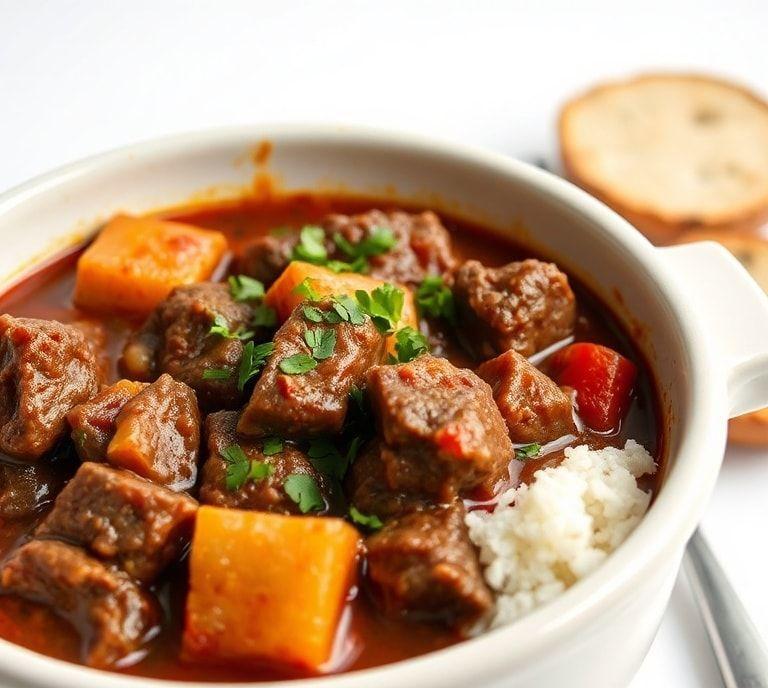
Here’s the heart of the matter: a timeless, foolproof slow cooker beef stew recipe. Think tender chunks of beef, perfectly cooked carrots and potatoes, and a rich, flavorful gravy that’s both comforting and indulgent.
This recipe is ideal for:
- Cozy family dinners
- Meal prep that keeps beautifully in the fridge or freezer
- Impressive yet effortless dinners for guests
Ingredient List
Every ingredient here plays a role in building layers of flavor. Here’s what you’ll need:
For The Stew
- 2 pounds beef chuck, cut into 1-inch cubes (the kind that becomes tender and flavorful when slow-cooked)
- 4 medium carrots, peeled and sliced into thick rounds
- 3 medium potatoes, peeled and cubed (Yukon golds or russets work best)
- 1 large onion, diced
- 3 cloves garlic, minced
- 2 cups beef broth (homemade or store-bought)
- 1 cup red wine (optional, but adds richness and depth)
- 2 tablespoons tomato paste
- 1 teaspoon Worcestershire sauce
- 1 teaspoon dried thyme (or 1 tablespoon fresh)
- 1 teaspoon dried rosemary (or 1 tablespoon fresh)
- 2 bay leaves
- Salt and pepper, to taste
- 3 tablespoons all-purpose flour (for thickening, can substitute cornstarch)
- 2 tablespoons olive oil or vegetable oil
Optional For Extra Flavor
- 1 cup celery, sliced
- 1 cup mushrooms, sliced
- Fresh parsley, chopped (for garnish)
Instruction Guide
Let’s talk technique-this is where your slow cooker turns into a flavor powerhouse. Follow these steps for a stew that will have everyone asking for seconds:
-
Brown The Beef
- Heat oil in a large skillet over medium-high heat.
- Season the beef cubes with salt and pepper, then brown them in batches.
- Browning is key-it locks in flavor and gives your stew depth.
-
Prepare The Vegetables
- While the beef browns, chop carrots, potatoes, onions, and celery.
- Mince the garlic and set aside.
-
Deglaze The Pan
- After browning, pour a splash of beef broth or red wine into the skillet.
- Scrape the browned bits from the bottom-they’re pure flavor gold.
-
Layer In The Slow Cooker
- Add beef, vegetables, garlic, tomato paste, Worcestershire sauce, thyme, rosemary, and bay leaves.
- Pour the remaining broth and wine over the top.
-
Cook Low And Slow
- Cover and cook on low for 7-8 hours or high for 4-5 hours.
- The low and slow method ensures the beef is ultra-tender and the flavors meld beautifully.
-
Thicken The Stew
- Mix flour with a small amount of cold water to create a slurry.
- Stir it into the stew 30-45 minutes before serving.
- This will give you a silky, thick gravy that clings to every morsel of beef and vegetable.
-
Finish And Serve
- Taste and adjust seasoning with salt and pepper.
- Remove bay leaves and garnish with fresh parsley.
- Serve hot with crusty bread or over buttered noodles for maximum comfort.
Ingredient Swaps
No slow cooker recipe is complete without some flexibility. Here are ways to tweak it if you don’t have certain ingredients:
-
Beef Substitutes
- Stew beef, short ribs, or even boneless chuck roast work perfectly.
-
Vegetable Alternatives
- Swap potatoes for sweet potatoes or turnips.
- Add parsnips, peas, or green beans for extra color and nutrition.
-
Liquid Swaps
- Use vegetable or chicken broth if beef broth isn’t available.
- Skip wine if desired-just add more broth.
-
Thickening Options
- Cornstarch, arrowroot, or instant mashed potato flakes can replace flour.
Helpful Tips
Little tricks make a huge difference:
- Brown in batches: Avoid overcrowding the skillet so each piece caramelizes properly.
- Cut veggies uniformly: Ensures even cooking.
- Layer flavors: Add herbs and seasonings early for depth; fresh herbs at the end for brightness.
- Don’t lift the lid: Slow cookers lose heat quickly if opened repeatedly.
- Make ahead: This stew often tastes better the next day-flavors develop beautifully overnight.
Customization Ideas
Make this stew truly yours:
- Spicy twist: Add a pinch of cayenne or smoked paprika.
- Beer lover’s version: Replace wine with a dark stout for a rich, malty undertone.
- Creamy variation: Stir in a splash of cream or sour cream at the end.
- Hearty grains: Serve over rice, quinoa, or barley for a filling twist.
FAQs
What Cuts Of Beef Are Best For A Slow Cooker Beef Stew?
Tougher cuts with more connective tissue work best because they become tender during slow cooking. Common choices include chuck roast, bottom round, or brisket. These cuts break down slowly, creating a rich, flavorful stew.
How Long Should I Cook Beef Stew In A Slow Cooker?
Cooking time depends on the slow cooker setting. On low, it usually takes 7-8 hours, while on high it takes 4-5 hours. The key is to cook until the beef is fork-tender and the vegetables are soft but not mushy.
Do I Need To Brown The Beef Before Adding It To The Slow Cooker?
Browning the beef is not strictly necessary, but it enhances flavor and adds color. Searing the meat in a hot pan before slow cooking develops a richer, deeper taste through the Maillard reaction.
Can I Use Frozen Beef Or Vegetables In A Slow Cooker?
While frozen beef and vegetables can be used, they may release excess water, diluting the flavor and increasing cooking time. Thawing them before adding to the slow cooker is recommended for consistent results.
What Vegetables Are Commonly Used In A Classic Beef Stew?
Classic vegetables include carrots, potatoes, onions, and celery. Other optional additions are parsnips, turnips, mushrooms, and peas. Adding root vegetables early allows them to soften during the long cooking process.
How Can I Thicken The Stew If It’s Too Watery?
You can thicken the stew by stirring in a slurry of cornstarch or flour mixed with cold water near the end of cooking. Alternatively, cooking the stew uncovered for the last 30 minutes can reduce excess liquid naturally.
Is It Possible To Prepare The Stew The Night Before And Cook It In The Morning?
Yes, you can assemble the ingredients in the slow cooker insert and refrigerate overnight. In the morning, bring it to room temperature for 15-20 minutes before cooking to ensure even cooking and prevent the slow cooker from taking too long to heat.
Can I Add Wine Or Other Liquids To Enhance Flavor?
Absolutely. Red wine, beef broth, or a combination of both adds depth to the stew. A splash of Worcestershire sauce, tomato paste, or soy sauce can also enrich the savory flavor. Avoid adding too much liquid; slow cookers retain moisture well.
How Should I Store Leftover Beef Stew?
Store cooled stew in airtight containers in the refrigerator for up to 3-4 days. For longer storage, freeze in portioned containers for up to 3 months. Reheat gently on the stovetop or in a microwave to preserve texture.
Can I Make This Recipe In An Instant Pot Instead Of A Slow Cooker?
Yes, you can adapt the recipe for an Instant Pot using the ’Sauté’ function to brown the beef and vegetables, then pressure cook for 35-45 minutes with natural release. This method produces tender meat more quickly than traditional slow cooking.