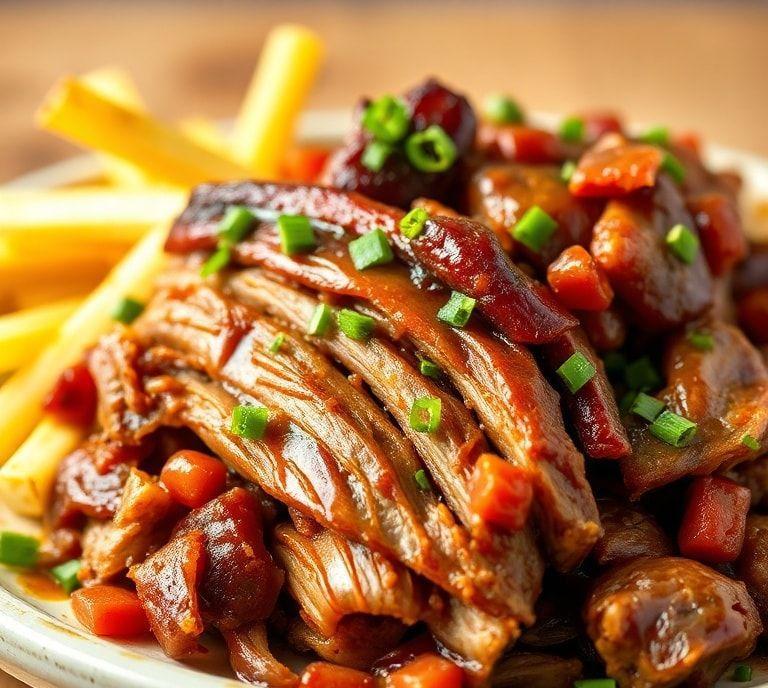
North Carolina Pulled Pork Slow Cooker Recipe (Guide)
If you’ve ever craved the rich, tangy, and slightly sweet taste of authentic North Carolina barbecue, you know there’s something utterly comforting about a plate of pulled pork piled high and dripping with flavor. But let’s be honest-making truly tender pulled pork can feel intimidating. That’s where the slow cooker steps in like a culinary hero. With minimal effort, you can transform a humble pork shoulder into a melt-in-your-mouth masterpiece that bursts with the signature tang of vinegar, a hint of spice, and a touch of sweetness.
This North Carolina Pulled Pork Slow Cooker recipe is all about letting time do the heavy lifting. Imagine walking into your kitchen after a busy day and being greeted by the tantalizing aroma of slow-cooked pork, ready to serve. Whether you’re planning a family dinner, meal prepping for the week, or simply craving some barbecue goodness without firing up the grill, this recipe is your ultimate go-to.
North Carolina Pulled Pork Slow Cooker Recipe
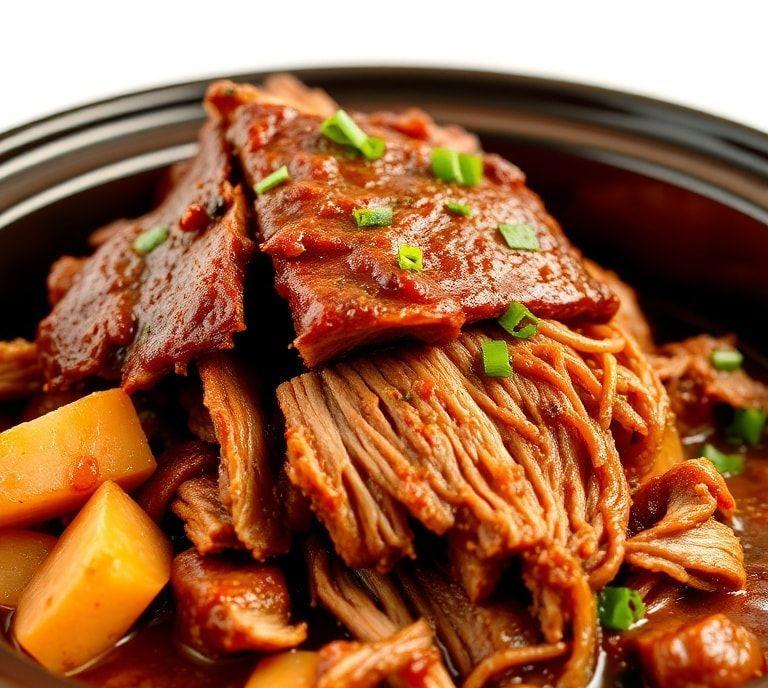
Here’s the heart of the recipe, where simplicity meets tradition. Slow cooking ensures every shred of pork absorbs the perfect balance of tangy, sweet, and savory flavors that North Carolina barbecue is famous for. This version leans on the vinegar-based style typical of the eastern region of North Carolina, highlighting sharp, zesty notes rather than the tomato-heavy sauces you might find elsewhere.
Ingredient List
Before diving in, make sure you have these key ingredients ready. They’re all simple, easy-to-find items that work together to create that authentic Carolina flavor:
- Pork shoulder (Boston butt), 3-4 pounds – This cut is ideal for slow cooking; it becomes tender and shreds effortlessly.
- Apple cider vinegar, 1 cup – Provides the signature tangy bite.
- Water, ½ cup – Helps maintain moisture during slow cooking.
- Brown sugar, ¼ cup – Adds a gentle sweetness to balance the vinegar.
- Red pepper flakes, 1 teaspoon – Gives a subtle kick, adjustable to taste.
- Salt, 2 teaspoons – Essential for seasoning and enhancing natural flavors.
- Black pepper, 1 teaspoon – For depth and slight earthiness.
- Garlic powder, 1 teaspoon – Adds a warm, aromatic undertone.
- Onion powder, 1 teaspoon – Complements the garlic and adds savory richness.
- Worcestershire sauce, 1 tablespoon – Optional, deepens flavor complexity.
- Yellow mustard, 1 tablespoon – Balances acidity and rounds out tang.
Instruction Guide
Let’s break it down step by step, so there’s no guesswork and every shred is perfection:
-
Prep The Pork
- Trim excess fat from the pork shoulder, leaving some to maintain juiciness.
- Pat the pork dry with paper towels; this helps the seasonings stick better.
-
Mix The Seasoning
- In a small bowl, combine salt, black pepper, garlic powder, onion powder, and red pepper flakes.
- Rub this mixture generously all over the pork shoulder, making sure every nook and cranny is coated.
-
Prepare The Slow Cooker
- Pour the apple cider vinegar, water, brown sugar, Worcestershire sauce, and mustard into the bottom of the slow cooker.
- Place the seasoned pork shoulder on top.
-
Cook Low And Slow
- Cover and cook on low for 8-10 hours, or until the pork is fork-tender and easily pulls apart.
- If you’re short on time, cook on high for 4-6 hours, but low and slow is the gold standard.
-
Shred The Pork
- Remove the pork from the slow cooker and place it on a cutting board.
- Use two forks to shred the meat into bite-sized pieces.
-
Combine With Sauce
- Skim excess fat from the slow cooker liquid.
- Pour the remaining sauce over the shredded pork and mix thoroughly.
-
Serve And Enjoy
- Serve warm on buns, with coleslaw, or alongside your favorite Southern sides like baked beans or cornbread.
Ingredient Swaps
Life is busy, and sometimes substitutions are necessary. Here’s how to adapt without losing that classic Carolina flavor:
- Pork alternatives: Shoulder or butt is ideal, but you can use pork loin for leaner meat (just reduce cooking time slightly).
- Vinegar options: Apple cider vinegar can be swapped for white vinegar, but it will slightly change the sweetness profile.
- Sugar swaps: Brown sugar can be replaced with honey or maple syrup for a different sweet undertone.
- Spice flexibility: Red pepper flakes can be swapped for cayenne pepper or hot sauce if you prefer more heat.
- Slow cooker alternatives: If you don’t have a slow cooker, this recipe works in a Dutch oven at 300°F for 3-4 hours, covered.
Helpful Tips
To make your pulled pork absolutely irresistible:
- Don’t rush the cooking: Slow cooking is key for tender, juicy pork. Low and slow always wins.
- Reserve some cooking liquid: It’s pure gold for keeping your shredded pork moist.
- Taste and adjust: Vinegar, sugar, and spice levels can be tweaked at the end before serving.
- Make ahead: Pulled pork tastes even better the next day after the flavors meld.
Customization Ideas
Pulled pork is a blank canvas for creativity. Here’s how to make it uniquely yours:
- Smoky twist: Add smoked paprika or a few drops of liquid smoke to mimic a traditional smoker.
- Tangy twist: Stir in extra apple cider vinegar or a splash of lemon juice before serving.
- Sweet twist: Drizzle with a touch of honey or maple syrup for a sweeter barbecue flavor.
- Spicy twist: Mix in hot sauce, chipotle powder, or jalapeño slices for extra heat.
- Regional fusion: Mix in coleslaw directly on the sandwich for a creamy, crunchy layer.
FAQs
What Cut Of Pork Is Best For A North Carolina Pulled Pork Slow Cooker Recipe?
The best cuts for pulled pork are pork shoulder or pork butt because they have enough fat and connective tissue to become tender and flavorful when cooked slowly. Pork shoulder is especially preferred for slow cooker recipes as it shreds easily after long, low-heat cooking.
How Long Should I Cook Pulled Pork In A Slow Cooker?
Cooking time typically ranges from 6 to 8 hours on low heat or 4 to 5 hours on high heat, depending on the size of the pork shoulder. Slow cooking ensures the meat becomes tender and easy to shred.
Do I Need To Sear The Pork Before Adding It To The Slow Cooker?
Searing the pork is optional but recommended. Browning the meat before slow cooking enhances the flavor through the Maillard reaction, creating a richer taste in the finished pulled pork.
What Kind Of Sauce Is Used In North Carolina Pulled Pork?
North Carolina pulled pork traditionally uses a vinegar-based sauce made with apple cider vinegar, brown sugar, red pepper flakes, and sometimes mustard. This contrasts with other regions that favor tomato- or ketchup-based sauces.
How Much Liquid Should I Add To The Slow Cooker?
You generally need about 1/2 to 1 cup of liquid, such as apple cider vinegar, broth, or a mixture of vinegar and water. The goal is to keep the meat moist without submerging it entirely.
Can I Make The Recipe Ahead Of Time And Reheat It?
Yes, pulled pork can be made a day or two in advance. Store it in an airtight container in the refrigerator and reheat gently on the stovetop or in a slow cooker to preserve its moisture and flavor.
How Do I Shred The Pork After Slow Cooking?
Once the pork is cooked, remove it from the slow cooker and use two forks to pull the meat apart into shreds. Alternatively, you can use meat claws or a stand mixer on a low setting for larger batches.
Can I Add Vegetables To The Slow Cooker With The Pork?
Yes, vegetables like onions, carrots, and celery can be added for flavor. However, they may break down during long cooking, so they are usually used more for infusing flavor than serving as whole pieces.
Is It Necessary To Remove Fat From The Cooked Pulled Pork?
Some fat can be left for flavor, but excess fat can be skimmed off after cooking. Leaving a little helps keep the meat moist and enhances the richness of the final dish.
What Is The Best Way To Serve North Carolina Pulled Pork?
It is traditionally served on hamburger buns or white bread, topped with a vinegar-based sauce. Coleslaw is often added either on the side or directly on top for a classic combination.