Bolognese Sauce Slow Cooker Recipe (Guide)
Let’s talk about comfort food at its finest: Bolognese sauce. Picture this: a rich, hearty, savory sauce simmering gently for hours, filling your kitchen with a warm, irresistible aroma. There’s something almost magical about slow-cooking Bolognese-the flavors meld together, the meat becomes melt-in-your-mouth tender, and the sauce develops this deep, complex richness that you just can’t rush.
Using a slow cooker isn’t just about convenience; it’s about unlocking layers of flavor that stove-top cooking can struggle to achieve. The slow, patient simmer allows each ingredient-be it tomato, wine, herbs, or meat-to truly shine while marrying together into a perfectly harmonious sauce. This recipe is perfect for busy weeknights, Sunday dinners, or even meal prepping for the week. And the best part? Once it’s cooking, you can basically forget about it while your home transforms into a fragrant Italian trattoria.
So, let’s dive into the ultimate Slow Cooker Bolognese Sauce experience!
Bolognese Sauce Slow Cooker Recipe
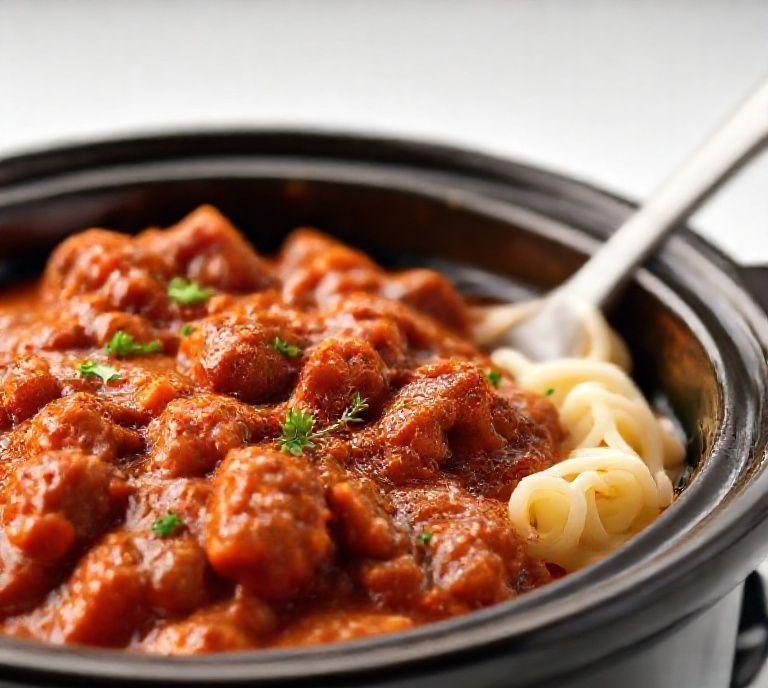
This slow cooker Bolognese is all about layers of flavor. It starts with aromatics, builds with a careful mix of meats, and finishes with a gentle simmer that allows every element to meld beautifully. The result? A sauce that’s rich, hearty, and versatile-perfect over pasta, polenta, or even as a base for lasagna.
Ingredient List
Here’s a breakdown of what you’ll need. I like to keep things straightforward but flavorful:
- Olive oil – 2 tablespoons (for sautéing aromatics)
- Onion – 1 large, finely chopped
- Carrots – 2 medium, finely diced
- Celery stalks – 2, finely diced
- Garlic – 3 cloves, minced
- Ground beef – 1 pound (or a mix of beef and pork for extra richness)
- Ground pork or veal – ½ pound (optional but adds depth)
- Tomato paste – 2 tablespoons (concentrated flavor powerhouse)
- Canned tomatoes – 28 ounces (crushed or whole, then crushed by hand)
- Red wine – ½ cup (adds acidity and richness)
- Milk – ½ cup (softens acidity and adds creaminess)
- Beef or chicken broth – 1 cup (to control consistency)
- Dried Italian herbs – 1 teaspoon each of oregano and thyme
- Bay leaf – 1
- Salt & pepper – to taste
- Red pepper flakes – optional, a pinch for heat
- Fresh basil or parsley – for garnish
Instruction Guide
Here’s the step-by-step, slow-cooker magic:
-
Prepare Your Aromatics
- Heat olive oil in a pan over medium heat. Sauté onions, carrots, and celery for 5-7 minutes until soft. Add garlic and cook 1 more minute until fragrant.
-
Brown The Meat
- In the same pan, add ground meats and cook until just browned. This step builds flavor-don’t skip it!
-
Deglaze With Wine
- Pour in red wine and let it simmer for 2-3 minutes. Scrape up any browned bits from the pan-they’re full of flavor.
-
Combine In Slow Cooker
- Transfer meat mixture to your slow cooker. Stir in tomato paste, canned tomatoes, broth, milk, and herbs. Add bay leaf, salt, and pepper.
-
Slow Cook
- Cover and cook on low for 6-8 hours or high for 3-4 hours. The longer, the better-the flavors deepen and the sauce thickens beautifully.
-
Finish And Serve
- Taste and adjust seasoning. Remove bay leaf. Garnish with fresh basil or parsley. Serve over your favorite pasta, polenta, or use as a lasagna base.
Ingredient Swaps
Don’t have something on hand? No problem! Slow cooker recipes are forgiving:
- Meat: Use ground turkey or chicken for a lighter version. You can also mix in some sausage for extra depth.
- Tomatoes: Crushed, diced, or even fresh plum tomatoes work. Just adjust cooking time slightly for fresh tomatoes-they release more water.
- Dairy: Heavy cream can replace milk for a richer, silkier texture. Non-dairy milk works too but may alter flavor slightly.
- Wine: Chicken or beef broth can replace wine, though it will be less complex. A splash of balsamic vinegar helps mimic that acidity.
- Herbs: Thyme, rosemary, or even Italian seasoning blends can replace individual herbs.
Helpful Tips
- Sear for flavor: Browning meat and aromatics first creates a richer sauce-don’t skip it even if it takes extra time.
- Avoid watery sauce: If the sauce is too thin after cooking, remove the lid and cook on high for an extra 20-30 minutes to reduce.
- Prep in advance: Chop vegetables and measure ingredients the night before. Drop them in the slow cooker in the morning.
- Layer flavors: Add a splash of milk halfway through cooking to mellow acidity and add richness.
Customization Ideas
This recipe is incredibly flexible. Here are some ways to make it your own:
- Spicy Bolognese: Add chili flakes or a diced jalapeño with the aromatics.
- Vegetable boost: Toss in mushrooms, zucchini, or bell peppers for extra nutrition and texture.
- Cheesy delight: Stir in grated Parmesan or Pecorino right before serving.
- Make it meaty: Double the meat and reduce vegetables for a more protein-forward dish.
- Creamy twist: Stir in a dollop of mascarpone or cream cheese for a luxurious finish.
FAQs
Can I Make Bolognese Sauce Entirely In A Slow Cooker?
Yes, you can make bolognese sauce entirely in a slow cooker. Begin by browning the meat and sautéing the vegetables on the stovetop for optimal flavor, but you can also place all ingredients directly into the slow cooker and cook on low for 6-8 hours or on high for 3-4 hours. The slow cooking process allows the flavors to meld together.
What Type Of Meat Is Best For Slow Cooker Bolognese Sauce?
Traditional bolognese sauce uses a combination of ground beef and pork for richness. Some recipes include veal or pancetta. You can use just ground beef for simplicity, but combining meats gives a deeper flavor and better texture.
Do I Need To Brown The Meat Before Adding It To The Slow Cooker?
Browning the meat before adding it is recommended but not strictly necessary. Browning develops complex flavors through the Maillard reaction, which enhances the overall taste of the sauce. If you skip this step, the sauce will still cook but may be less rich in flavor.
Can I Use Canned Tomatoes Or Fresh Tomatoes For The Sauce?
You can use either canned or fresh tomatoes, though canned whole or crushed tomatoes are more convenient and provide consistent flavor. Fresh tomatoes can be used but may require longer cooking and additional seasoning to achieve a balanced taste.
How Long Should I Cook Bolognese Sauce In A Slow Cooker?
Cook on low for 6-8 hours or on high for 3-4 hours. Cooking on low allows the flavors to meld and the meat to become tender, while high heat reduces cooking time but may slightly compromise depth of flavor.
Can I Make A Vegetarian Version In A Slow Cooker?
Yes, substitute the meat with lentils, mushrooms, or plant-based meat alternatives. Using a combination of finely chopped vegetables and protein-rich legumes can mimic the texture and heartiness of traditional bolognese while still developing rich flavor over slow cooking.
Should I Add Milk Or Cream To My Slow Cooker Bolognese?
Traditional bolognese often includes a small amount of milk or cream, which helps balance acidity from the tomatoes and creates a smoother sauce. Add it during the last hour of cooking to prevent curdling and to maintain a creamy texture.
Can I Freeze Slow Cooker Bolognese Sauce?
Yes, bolognese sauce freezes very well. Let it cool completely, then transfer to airtight containers or freezer bags. It can be stored for up to 3 months. Thaw in the refrigerator overnight and reheat gently on the stovetop or in the microwave.
How Can I Thicken Bolognese Sauce In The Slow Cooker?
To thicken the sauce, remove the lid during the last 30-60 minutes of cooking to allow some liquid to evaporate. You can also stir in a small amount of tomato paste or simmer on high for a short time to reduce excess liquid.
What Herbs And Seasonings Work Best For Slow Cooker Bolognese?
Classic herbs include bay leaves, thyme, oregano, and basil. Season with salt, black pepper, and a pinch of nutmeg. Fresh parsley added at the end brightens the flavor. Slow cooking allows dried herbs to infuse fully, creating a deeply aromatic sauce.