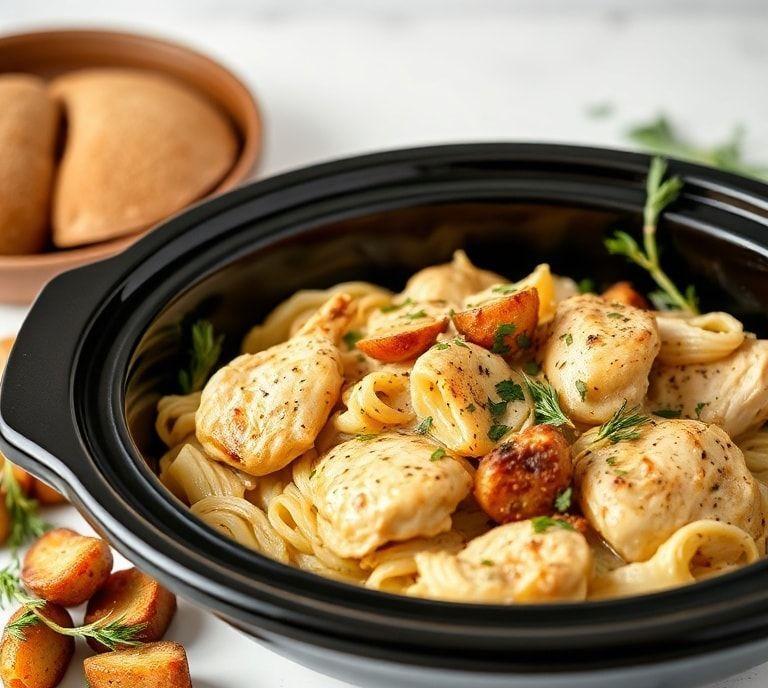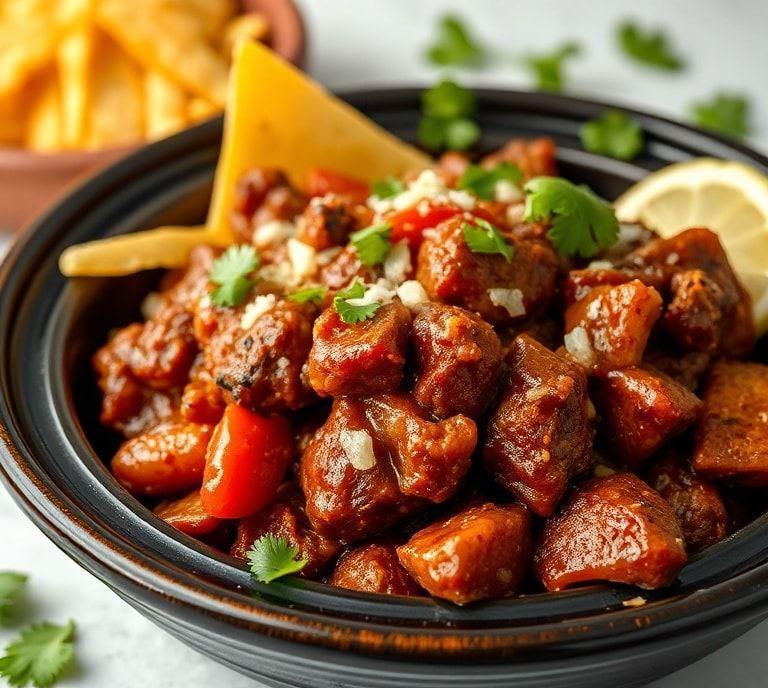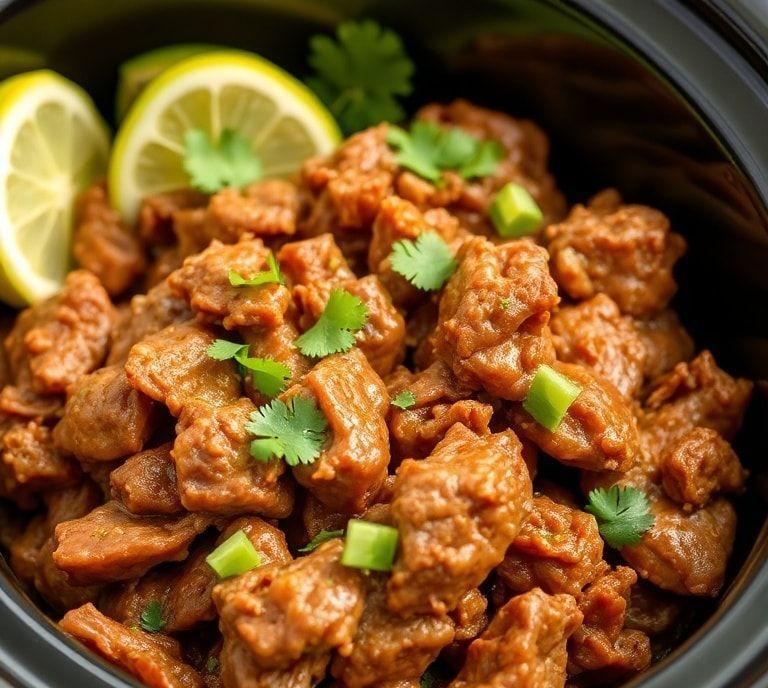
Slow Cooked Stew Recipe (Guide)
Let’s talk about comfort food in its most glorious form: a slow-cooked stew. There’s something utterly magical about tossing a handful of fresh ingredients into a pot, letting time do its thing, and ending up with a dish that’s warm, hearty, and packed with flavor. Slow-cooked stews are the culinary equivalent of a cozy blanket: they soothe, satisfy, and make even the dreariest day feel like a celebration of home-cooked goodness.
The beauty of a slow-cooked stew is not just in the flavor, but in the process. You don’t need to hover over the stove, constantly stirring or fretting over the timing. Instead, you can let the slow cooker or a low-simmering pot do the work, letting the ingredients meld together into a symphony of taste. Every bite tells a story: the tender meat that’s fallen apart, the vegetables that have soaked up all those rich juices, the subtle hints of herbs and spices that elevate the dish from ’good’ to unforgettable.
Slow Cooked Stew Recipe
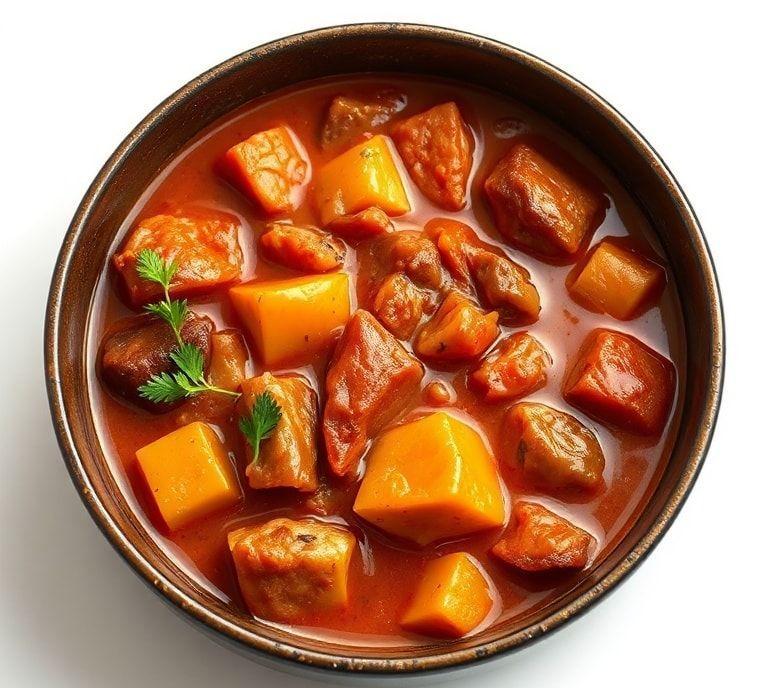
This slow-cooked stew is a crowd-pleaser, perfect for dinner parties, family meals, or even just a quiet night in. It’s flexible, forgiving, and absolutely bursting with layers of flavor.
- Cooking Method: Slow cooker or stovetop
- Cooking Time: 6-8 hours on low (slow cooker) or 2-3 hours on low simmer (stovetop)
- Servings: 6-8 generous bowls
The recipe combines the richness of tender meat, the earthiness of root vegetables, the aromatic punch of herbs, and the subtle depth of slow-cooked stock. It’s classic, satisfying, and totally customizable.
Ingredient List
Here’s a detailed list of ingredients you’ll need to bring this stew to life:
-
Meat
- 2 lbs (900g) beef chuck or lamb shoulder, cut into 1-2 inch cubes
- Optional: For a lighter stew, you can use chicken thighs or turkey breast
-
Vegetables
- 3 large carrots, peeled and chopped into chunks
- 3 medium potatoes, peeled and diced
- 2 celery stalks, sliced
- 1 large onion, diced
- 3 cloves garlic, minced
-
Liquids
- 4 cups beef, chicken, or vegetable stock
- 1 cup red wine or water (optional, adds depth)
- 2 tablespoons tomato paste
-
Herbs And Seasonings
- 2 bay leaves
- 1 teaspoon dried thyme or a few sprigs of fresh thyme
- 1 teaspoon dried rosemary or a few sprigs fresh
- Salt and freshly ground black pepper to taste
- Optional: a pinch of smoked paprika or chili flakes for warmth
-
Thickening (optional)
- 2 tablespoons flour or cornstarch mixed with a little water
Instruction Guide
Here’s how to transform your ingredients into a rich, flavorful stew:
-
Prep Your Ingredients
- Wash, peel, and chop all vegetables.
- Cut meat into even chunks to ensure uniform cooking.
- Mince garlic and measure out herbs and seasonings.
-
Brown The Meat (Optional But Recommended)
- Heat a large skillet over medium-high heat.
- Add a tablespoon of oil and sear the meat on all sides until golden brown.
- Browning adds flavor and depth to your stew.
-
Layer Ingredients In The Slow Cooker
- Place onions, carrots, celery, and potatoes at the bottom.
- Add the browned meat on top.
- Pour in stock, wine (if using), and tomato paste.
- Sprinkle in herbs, seasonings, and garlic.
-
Slow Cook
- Cover and cook on low for 6-8 hours (or high for 4-5 hours).
- Stovetop method: bring to a gentle simmer, cover, and cook for 2-3 hours, stirring occasionally.
-
Thicken The Stew (Optional)
- If you prefer a thicker stew, mix 2 tablespoons of flour or cornstarch with water and stir into the stew about 30 minutes before serving.
-
Taste And Adjust
- Check seasoning and add salt, pepper, or herbs as needed.
-
Serve Hot
- Ladle into bowls, optionally garnish with fresh parsley or thyme.
Ingredient Swaps
Flexibility is the key to a great slow-cooked stew. Here are some swaps you can experiment with:
-
Meat Alternatives
- Chicken thighs or drumsticks
- Turkey breast or leg meat
- Lamb shanks for a richer flavor
- Plant-based protein like seitan or tempeh
-
Vegetable Alternatives
- Sweet potatoes, parsnips, or turnips instead of regular potatoes
- Mushrooms for umami depth
- Peas or green beans added near the end of cooking
-
Stock And Liquid Alternatives
- Replace wine with apple cider, beer, or more stock
- Coconut milk for a subtle creamy twist
-
Herb Alternatives
- Fresh basil or oregano instead of thyme
- Sage or tarragon for a unique earthy flavor
Helpful Tips
- Prep Ahead: Chop vegetables and measure out ingredients the night before for faster morning prep.
- Layer Wisely: Hard vegetables (like carrots and potatoes) go at the bottom; delicate ingredients (like peas) go in last.
- Avoid Overcooking: If using a slow cooker, low and slow is best. High heat can toughen meat.
- Flavor Boost: Deglaze your pan after browning meat with a splash of stock or wine to capture every bit of flavor.
- Storage: Stew keeps beautifully in the fridge for 3-4 days and freezes well for up to 3 months.
Customization Ideas
To really make this stew your own:
- Spicy Kick: Add a pinch of cayenne, chili flakes, or smoked paprika.
- Creamy Touch: Stir in a splash of cream or coconut milk just before serving.
- Mediterranean Twist: Include olives, sun-dried tomatoes, and fresh basil.
- Hearty Grain Boost: Add barley, quinoa, or lentils for extra texture and nutrition.
- Sweet & Savory: Toss in a few chopped apples or pears for subtle sweetness that balances the richness.
FAQs
What Is The Best Type Of Meat To Use For A Slow Cooked Stew?
Tougher cuts of meat such as chuck roast, brisket, or beef shank are ideal for slow cooked stews. These cuts contain connective tissue and fat that break down during the long cooking process, resulting in tender, flavorful meat.
How Long Should I Cook A Stew In A Slow Cooker?
A stew should typically be cooked for 7 to 8 hours on low heat or 4 to 5 hours on high heat in a slow cooker. Cooking times can vary depending on the ingredients and the model of your slow cooker.
Do I Need To Brown The Meat Before Adding It To The Slow Cooker?
Yes, browning the meat before slow cooking enhances the stew’s flavor. The caramelization that occurs during browning adds depth and richness to the finished dish.
Can I Prepare A Slow Cooked Stew The Night Before?
Yes, you can prepare the ingredients the night before. Store them in the refrigerator in the slow cooker insert (if removable) or a covered container, then start cooking the next day. However, avoid placing a cold insert directly into a hot cooker to prevent cracking.
How Can I Thicken A Slow Cooked Stew?
You can thicken a stew by adding a slurry made from flour or cornstarch mixed with cold water about 30 minutes before the end of cooking. Alternatively, let the stew simmer uncovered for a short period to allow excess liquid to evaporate.
What Vegetables Work Best In A Slow Cooked Stew?
Root vegetables such as carrots, potatoes, parsnips, and turnips hold up well in slow cooked stews. Onions, celery, and mushrooms also add flavor and texture.
Can I Cook A Stew On The Stove Or In The Oven Instead Of A Slow Cooker?
Yes. To cook on the stove, simmer the stew gently for 2.5 to 3 hours, stirring occasionally. For oven cooking, bake covered at 160°C (325°F) for about 3 hours until the meat is tender.
How Do I Prevent Vegetables From Becoming Too Soft In A Slow Cooked Stew?
To prevent overcooking, add delicate vegetables such as peas or green beans during the last 30 to 45 minutes of cooking rather than at the start.
Can I Freeze Leftover Slow Cooked Stew?
Yes, slow cooked stew freezes well. Allow it to cool completely, then store it in airtight containers or freezer bags for up to three months. Thaw overnight in the refrigerator before reheating.
What Are Some Ways To Enhance The Flavor Of A Slow Cooked Stew?
Enhance flavor by deglazing the pan after browning meat with wine or broth, adding fresh herbs near the end of cooking, using quality stock, and seasoning with salt and pepper gradually throughout the process.