8 Hour Slow Cooker Recipe (Guide)
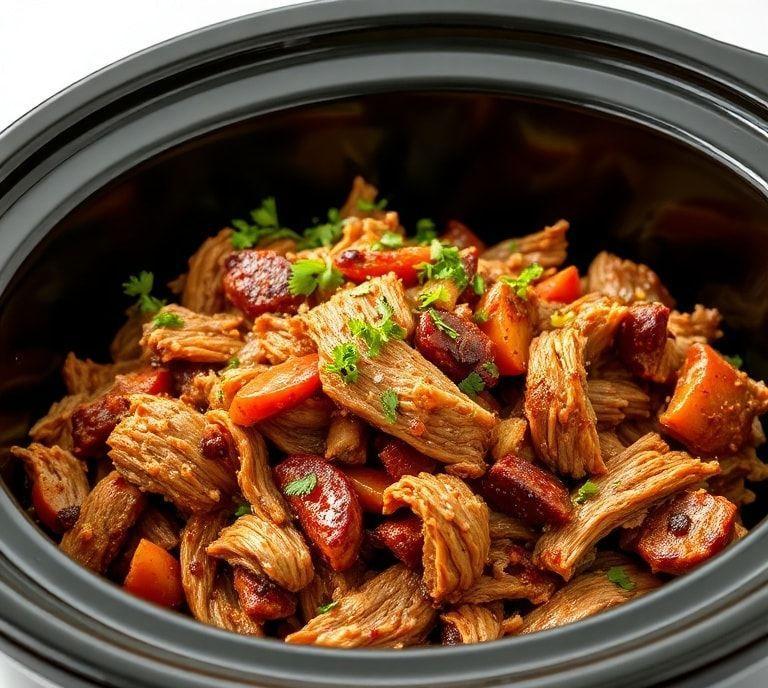
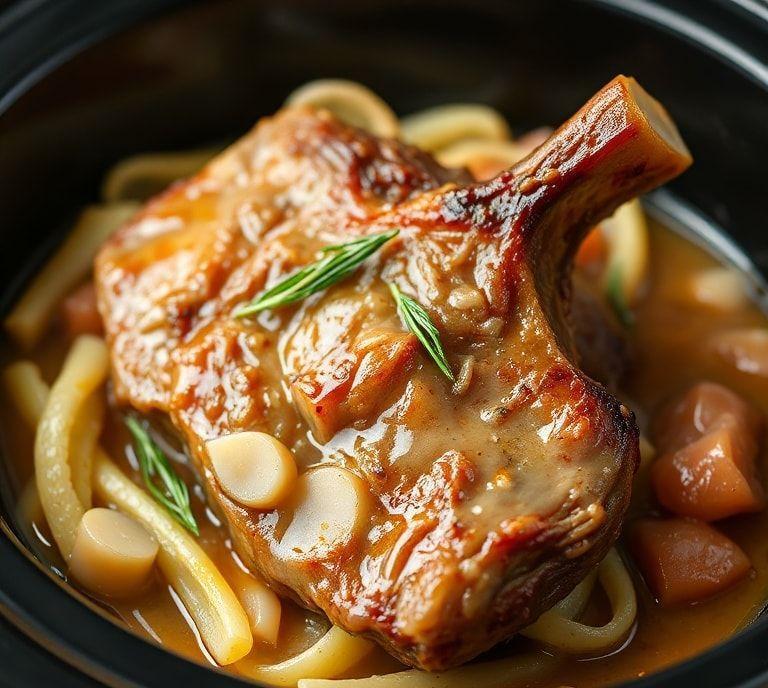
Let’s talk about comfort food at its absolute best: slow-cooked beef stew. Imagine this: tender chunks of beef that melt in your mouth, vegetables that have soaked up all those rich, savory flavors, and a broth so hearty it practically warms your soul. And the best part? You don’t have to hover over the stove or fuss with timing. You just throw everything into your slow cooker, set it, and forget it. By the time you come home from work, errands, or even a casual day out, your kitchen smells like heaven, and a steaming bowl of ultimate comfort awaits you.
Slow cookers are magical for this reason-they transform simple ingredients into something extraordinary. Plus, they’re forgiving. You don’t need a Michelin-star technique; you need patience, the right ingredients, and a little love. In this guide, I’ll walk you through a foolproof 8-hour slow cooker beef stew, provide ingredient swaps, customization tips, and helpful pointers so your stew turns out perfectly every time.
8 Hour Slow Cooker Recipe
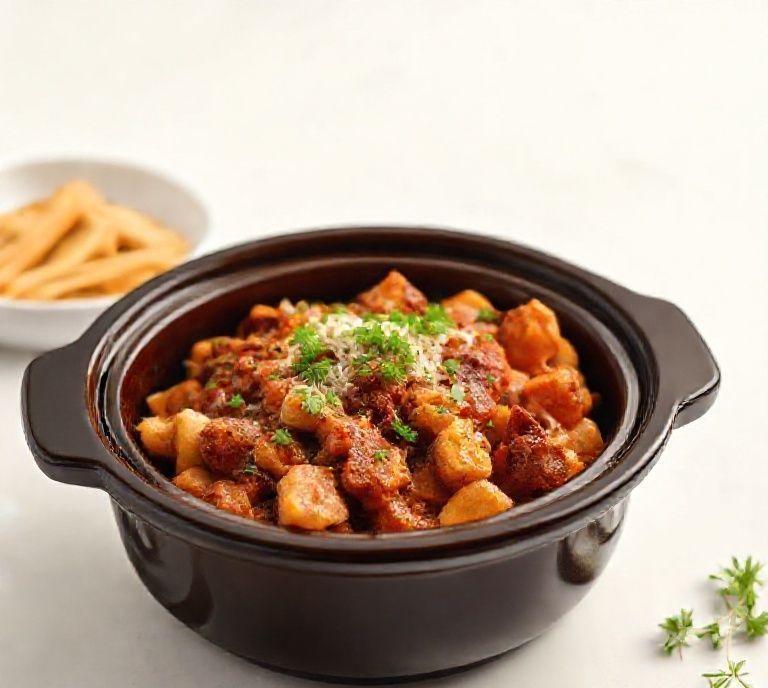
We’re going for that ’fall-apart tender beef, perfectly seasoned, and veggie-rich stew’ experience. This is the kind of meal that doubles as leftovers or freezes beautifully for future indulgence.
- Cooking Time: 8 hours on low (or 4-5 hours on high if you’re in a pinch)
- Servings: 6-8 hearty portions
- Difficulty Level: Beginner-friendly, but you’ll feel like a pro
Ingredient List
Here’s everything you’ll need to make this stew sing. I’ll even explain why each ingredient matters:
- 2 lbs beef chuck roast, cut into 1-2 inch cubes – This cut is perfect for slow cooking because it gets tender without drying out.
- 4 large carrots, sliced into thick rounds – Adds natural sweetness and color.
- 3 medium potatoes, cut into chunks – Creamy inside, holds shape outside.
- 2 stalks celery, chopped – A subtle aromatic that rounds out flavors.
- 1 large onion, diced – Adds depth and sweetness to the broth.
- 3 cloves garlic, minced – Because everything tastes better with garlic.
- 4 cups beef broth – Rich, savory base that hydrates everything.
- 1 cup red wine (optional, but highly recommended) – Elevates the stew with a subtle tang.
- 2 tbsp tomato paste – Gives body and umami depth.
- 2 tsp Worcestershire sauce – Adds a savory, tangy punch.
- 2 tsp salt – Balances flavors.
- 1 tsp black pepper – Adds gentle heat.
- 2 tsp fresh thyme (or 1 tsp dried) – Classic herb for cozy warmth.
- 2 tsp fresh rosemary (or 1 tsp dried) – Earthy and fragrant.
- 1 bay leaf – Traditional slow-cooker magic for depth.
- 2 tbsp flour or cornstarch – Optional, for thickening the stew near the end.
Instruction Guide
Here’s where we turn raw ingredients into a bubbling masterpiece. I’ll walk you through it step by step:
-
Prep Your Ingredients
- Cut beef, carrots, potatoes, and celery into uniform pieces for even cooking.
- Dice onion and mince garlic.
-
Sear The Beef (Optional But Worth It)
- Heat a skillet with a little oil over medium-high heat.
- Brown the beef cubes on all sides. This step locks in flavor and gives your stew that rich color.
-
Combine Ingredients In The Slow Cooker
- Add beef, carrots, potatoes, celery, onion, and garlic.
- Stir in tomato paste, Worcestershire sauce, thyme, rosemary, salt, and pepper.
- Pour in beef broth and red wine, then toss in the bay leaf.
-
Cook Low And Slow
- Cover the slow cooker and cook on low for 8 hours.
- If you’re in a rush, high for 4-5 hours works too, but low is best for tenderness.
-
Finish And Thicken (Optional)
- If you like a thicker stew, mix 2 tbsp flour or cornstarch with a little water to make a slurry and stir it into the stew 30 minutes before serving.
-
Taste And Adjust
- Check seasoning and add salt or pepper as needed.
Ingredient Swaps
Flexibility is the slow cooker’s superpower. Here’s how you can tweak things without compromising flavor:
- Beef: Chuck roast is ideal, but brisket or stew meat works too.
- Vegetables: Sweet potatoes instead of regular potatoes for a twist; parsnips for extra sweetness; mushrooms for earthy notes.
- Broth: Chicken or vegetable broth in a pinch.
- Wine: Skip entirely or use grape juice for a non-alcoholic version.
- Herbs: Sage or oregano can substitute thyme and rosemary if you prefer.
Helpful Tips
These are the little nuggets of wisdom that separate ’good stew’ from ’legendary stew’:
- Don’t overfill the slow cooker – Leave some space at the top to prevent spills.
- Cut uniform pieces – Ensures even cooking.
- Brown the meat – Adds depth and a rich aroma.
- Add delicate herbs late – Parsley or basil should be stirred in just before serving.
- Check liquid levels – Slow cookers retain moisture, but if your stew seems dry, add a splash of broth.
Customization Ideas
Want to make this stew truly your own? Here’s how:
- Spicy Version: Add 1 tsp smoked paprika, 1/2 tsp cayenne, or a dash of hot sauce.
- Chunky Veggie Lovers: Throw in peas, corn, or green beans 30 minutes before the end.
- Hearty Grain Addition: Add barley or quinoa during the last hour for a stew-meets-grain bowl.
- Creamy Twist: Stir in a splash of cream or coconut milk for richness.
- Cheesy Top: Serve with grated parmesan or shredded cheddar sprinkled on top just before serving.
FAQs
What Types Of Meals Are Best Suited For An 8-hour Slow Cooker Recipe?
Meals that benefit from long, slow cooking such as stews, braised meats, soups, chili, and casseroles are ideal for an 8-hour slow cooker recipe. Tough cuts of meat become tender and flavors meld together beautifully over the extended cooking time.
Can I Cook Vegetables And Meat Together In An 8-hour Slow Cooker Recipe?
Yes, but it’s important to consider cooking times. Root vegetables like carrots, potatoes, and parsnips hold up well over 8 hours, while softer vegetables like peas or zucchini should be added later to avoid overcooking.
Do I Need To Brown Meat Before Using It In An 8-hour Slow Cooker Recipe?
Browning meat beforehand is optional but recommended. Searing adds depth of flavor through the Maillard reaction and can improve the texture of the meat in the final dish.
Is It Safe To Cook Food In A Slow Cooker For 8 Hours?
Yes, using the low heat setting on a slow cooker for 8 hours is safe. Slow cookers are designed to maintain temperatures that keep food out of the danger zone for bacterial growth. However, always ensure your slow cooker is functioning properly and the lid remains in place.
Can I Use Frozen Meat In An 8-hour Slow Cooker Recipe?
It is generally safe, but it’s better to thaw meat first. Cooking frozen meat may increase the time it spends in the temperature danger zone, potentially allowing bacteria to grow. If using frozen meat, ensure the cooker reaches a safe temperature quickly.
How Much Liquid Should I Add To An 8-hour Slow Cooker Recipe?
Slow cookers retain moisture, so less liquid is needed compared to conventional cooking. Generally, 1 to 2 cups of liquid is sufficient, but this depends on the recipe. The liquid should partially cover the ingredients without fully submerging them, unless making soup or stew.
Can I Leave A Slow Cooker On For More Than 8 Hours?
Yes, many slow cookers have a ’keep warm’ function that allows food to remain at a safe temperature beyond 8 hours. Cooking longer than intended may affect texture, especially for vegetables or pasta, which can become mushy.
How Do I Prevent My 8-hour Slow Cooker Recipe From Becoming Watery?
Avoid lifting the lid frequently, as this releases steam. Use the correct amount of liquid and consider thickening sauces toward the end of cooking with cornstarch, flour, or reduction. Certain ingredients like tomatoes and watery vegetables can also increase liquid, so adjust accordingly.
Can I Prepare An 8-hour Slow Cooker Recipe Ahead Of Time?
Yes, many recipes can be prepped the night before by assembling ingredients in the slow cooker and refrigerating. In the morning, simply start the slow cooker. Avoid leaving raw ingredients at room temperature for extended periods.
What Are Some Tips For Making An 8-hour Slow Cooker Recipe More Flavorful?
Enhance flavor by using aromatic vegetables like onions, garlic, and herbs, browning meat before cooking, adding acidic ingredients like vinegar or lemon juice, and seasoning generously. Taste and adjust seasoning toward the end of cooking to balance flavors.