Homemade Yogurt Slow Cooker Recipe (Guide)
Let’s talk about one of the most satisfying kitchen projects: making your very own yogurt at home using a slow cooker. Imagine waking up to creamy, tangy yogurt that’s fresher, richer, and more customizable than anything you could grab from the store. There’s something truly comforting about the process-it’s almost like science and art combined. Plus, homemade yogurt is not just delicious, it’s a powerhouse for gut health. You get to control the sweetness, the texture, and the flavor while avoiding all the unnecessary additives that commercial brands often sneak in.
Using a slow cooker makes the process wonderfully hands-off. You don’t have to babysit a pot on the stove or stress about keeping milk at the perfect temperature. The slow cooker does all the heavy lifting, letting you set it and forget it while it slowly transforms ordinary milk into silky, probiotic-rich yogurt. By the end of this guide, you’ll not only know how to make yogurt like a pro, but you’ll also discover ways to get creative with flavors, textures, and toppings.
Homemade Yogurt Slow Cooker Recipe
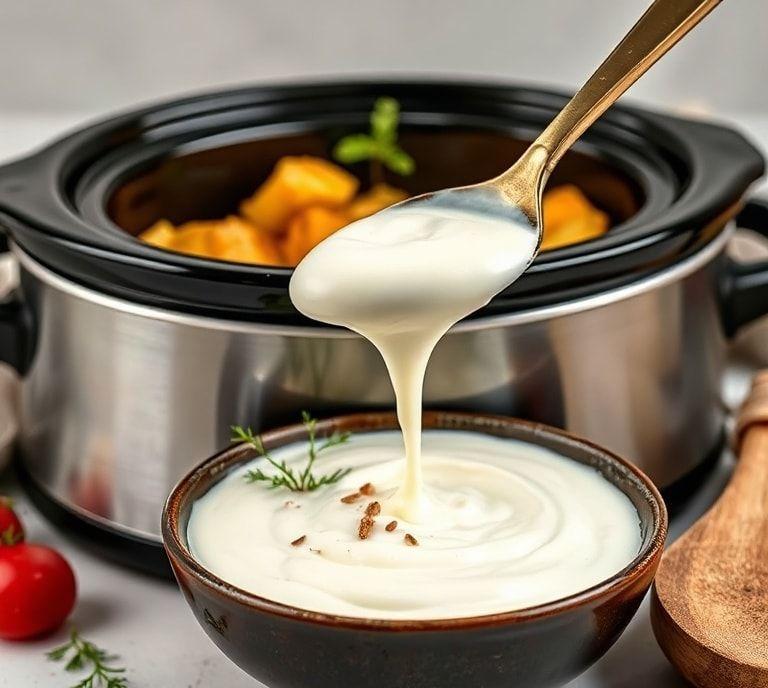
Making yogurt in a slow cooker may seem intimidating at first, but the process is simple once you understand the steps. Here’s an overview of what you’re about to embark on:
- Heat milk gently to create a creamy base
- Cool milk to the ideal temperature to activate probiotics
- Add a yogurt starter for fermentation
- Let it slowly incubate for several hours
- Chill and enjoy your perfectly thick, tangy yogurt
The result? Yogurt that’s customizable in sweetness, tanginess, and consistency. You can scoop it plain, layer it with fruit, or even transform it into a decadent dessert.
Ingredient List
To keep it simple, you really need only two things to make basic yogurt, but optional add-ins elevate it to gourmet territory:
Essentials
- Milk: 1-2 quarts (whole milk for creaminess, 2% for lighter texture, skim if you want very light yogurt)
- Yogurt starter: 2-3 tablespoons of plain yogurt with live active cultures (this can be store-bought or from a previous batch)
Optional Flavor Boosters
- Vanilla extract (1 teaspoon)
- Sweeteners like honey, maple syrup, or agave (to taste, added after fermentation)
- Fruit puree or fresh berries
- Spices such as cinnamon, cardamom, or nutmeg
Instruction Guide
Here’s a step-by-step breakdown that will make this process feel effortless:
-
Prepare Your Slow Cooker
- Pour the milk into the slow cooker. Make sure your slow cooker insert is clean-any leftover residue can interfere with fermentation.
- Cover it with a lid.
-
Heat The Milk
- Turn the slow cooker to low and heat the milk until it reaches about 180°F (82°C). This step is crucial because it kills off unwanted bacteria and prepares proteins to form that creamy yogurt texture.
- Stir occasionally to prevent skin from forming on top.
-
Cool The Milk
- Once the milk hits 180°F, unplug the slow cooker and let it cool to around 110°F (43°C). This is the sweet spot for the yogurt cultures to thrive. Too hot, and you’ll kill the probiotics; too cold, and fermentation won’t start.
-
Add Your Starter
- Take a small amount of the cooled milk and mix it with your yogurt starter to create a smooth slurry.
- Slowly stir this mixture back into the rest of the milk.
-
Incubate
- Cover the slow cooker and wrap it in a thick towel or blanket to keep the heat stable.
- Let it sit undisturbed for 6-12 hours depending on your desired tanginess. Longer fermentation gives tangier yogurt.
-
Check And Chill
- After incubation, the yogurt should be thickened.
- Refrigerate it for at least 4 hours to fully set and chill.
-
Serve And Enjoy
- Scoop plain or add your favorite mix-ins and toppings.
Ingredient Swaps
If you want to experiment or accommodate dietary needs:
- Milk alternatives: Almond, oat, or soy milk can work, but results vary and often require thickeners like agar-agar or tapioca starch.
- Non-dairy starters: Look for live culture plant-based yogurts.
- Sweetener swaps: Coconut sugar, stevia, or monk fruit for sugar-free options.
- Flavor swaps: Add lemon zest or orange zest for a citrus twist.
Helpful Tips
- Consistency check: If your yogurt is too runny, strain it using a cheesecloth for Greek-style thickness.
- Avoid stirring too much: Frequent stirring during incubation can disrupt the culture and yield less tangy yogurt.
- Temperature matters: Use a thermometer; guessing rarely works consistently.
- Reusing starters: Save a few tablespoons from each batch to make the next batch. Freshness is key-avoid using yogurt older than 1-2 weeks.
- Patience pays off: Sometimes yogurt takes longer than expected, especially in cooler kitchens. Trust the process.
Customization Ideas
Once you master the basics, get creative:
- Fruit layers: Fresh berries, mango puree, or stewed apples for a fruity twist
- Flavor infusions: Cinnamon sticks, vanilla bean, or rose water
- Texture boosters: Mix in granola, nuts, or chia seeds after chilling
- Dessert-style: Swirl in chocolate syrup or caramel for an indulgent treat
The sky is the limit. Each batch can be completely unique, matching your cravings.
FAQs
What Ingredients Do I Need To Make Yogurt In A Slow Cooker?
You only need two basic ingredients: milk (whole milk is preferred for creamier yogurt) and a yogurt starter, which can be a few tablespoons of plain yogurt containing live active cultures. Optional ingredients include powdered milk to thicken or flavorings like vanilla or sweeteners.
What Type Of Milk Works Best For Slow Cooker Yogurt?
Whole milk is ideal because it produces creamier yogurt, but 2% milk also works. Skim milk will result in a thinner consistency. For richer yogurt, you can add powdered milk to increase protein content.
Do I Need A Thermometer For Making Slow Cooker Yogurt?
Yes, a thermometer is highly recommended. Heating the milk to around 180°F (82°C) and cooling it to about 110°F (43°C) before adding the starter ensures proper fermentation and safety.
How Long Should I Cook Yogurt In A Slow Cooker?
The heating process to scald the milk usually takes 1-2 hours on low or until it reaches 180°F. After adding the starter, the slow cooker is turned off or kept on the ’warm’ setting to incubate for 6-12 hours, depending on the desired tartness.
Can I Use Flavored Or Sweetened Yogurt As A Starter?
It’s best to use plain yogurt with live active cultures as a starter. Flavored or sweetened yogurt may interfere with the fermentation process and affect the final flavor or consistency.
Why Does My Slow Cooker Yogurt Sometimes Turn Out Runny?
Runny yogurt can result from several factors: milk not being heated enough, incubation temperature too low, not enough starter culture, or insufficient incubation time. Using powdered milk or straining can improve thickness.
How Do I Store Homemade Slow Cooker Yogurt?
Allow the yogurt to cool to room temperature, then transfer it to airtight containers and refrigerate. It typically lasts 1-2 weeks. Homemade yogurt may thicken further after chilling.
Can I Make Greek-style Yogurt In A Slow Cooker?
Yes, after the yogurt has set, strain it through a cheesecloth or fine mesh strainer for several hours to remove whey, resulting in thicker Greek-style yogurt.
Is It Safe To Make Yogurt In A Slow Cooker?
Yes, as long as the milk is properly heated to 180°F to kill harmful bacteria and cooled to 110°F before adding the starter. Maintaining a warm incubation temperature ensures safe fermentation.
How Can I Adjust The Tartness Of Homemade Yogurt?
Longer incubation times produce tangier yogurt, while shorter times yield milder flavors. The type and amount of starter culture also influence tartness.