Pulled Pork Rub Slow Cooker Recipe (Guide)
Let me set the scene for you: imagine the aroma of smoky, sweet, and slightly spicy pulled pork slowly filling your kitchen. That’s the magic of a slow cooker pulled pork with a rub that’s absolutely bursting with flavor. This isn’t just dinner; it’s a sensory experience. The beauty of this recipe lies in its simplicity-minimal effort for maximum reward-but also in its versatility. Whether you’re planning a cozy weeknight meal, a backyard gathering, or a hearty sandwich spread for game day, this pulled pork will steal the show. By using a slow cooker, you’re letting time do the work, tenderizing the pork to the point that it practically melts in your mouth. And the rub? Oh, the rub is where the magic happens, infusing the meat with layers of complexity that make every bite unforgettable.
Pulled Pork Rub Slow Cooker Recipe
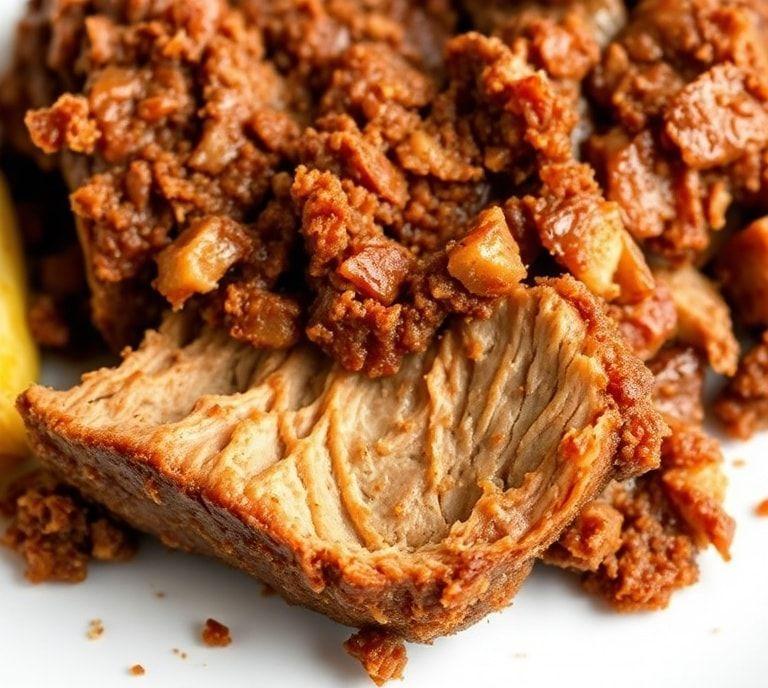
This isn’t your average pulled pork recipe. It’s a slow-cooked masterpiece that combines the comfort of home-cooked meals with the sophistication of perfectly balanced flavors. The rub is designed to penetrate deeply, providing a savory, slightly sweet, and aromatic profile that pairs beautifully with the tenderness of slow-cooked pork. You’ll love how the pork effortlessly shreds, soaking up every hint of spice and seasoning. And let’s be honest-there’s something deeply satisfying about pulling pork apart with a fork and watching it fall apart in soft, juicy strands.
Ingredient List
Here’s what you’ll need to create this culinary delight:
For The Pork
- 3-4 pounds of pork shoulder (also called pork butt; the fat content is key for tenderness)
- 1 cup of chicken or vegetable broth (to keep it moist in the slow cooker)
- 1-2 tablespoons apple cider vinegar (optional, for tangy brightness)
For The Rub
- 2 tablespoons brown sugar (for subtle sweetness and caramelization)
- 1 tablespoon smoked paprika (for smokiness without a smoker)
- 1 tablespoon garlic powder
- 1 tablespoon onion powder
- 1 teaspoon ground black pepper
- 1 teaspoon kosher salt
- ½ teaspoon cayenne pepper (optional, for a gentle kick)
- ½ teaspoon dried thyme or oregano (for a hint of herbaceousness)
Instruction Guide
Now let’s get down to the fun part: cooking this beauty. Take your time reading each step, because the devil is in the details!
-
Prepare The Pork
- Pat the pork shoulder dry with paper towels. This helps the rub stick better and encourages that delicious crust.
- Mix all the rub ingredients in a small bowl. Generously coat the pork shoulder, massaging the rub into every nook and cranny.
-
Slow Cooker Setup
- Place the pork in the slow cooker.
- Pour the broth around the pork-avoid pouring directly on top, so the rub stays intact.
- Optional: Add sliced onions or a few garlic cloves for extra depth.
-
Cook Low And Slow
- Cover and cook on low for 8-10 hours or high for 4-5 hours.
- You’ll know it’s done when the pork pulls apart effortlessly with two forks.
-
Shred And Serve
- Remove the pork and place it on a cutting board or large platter.
- Use two forks to shred the meat, mixing it with any juices left in the slow cooker for maximum flavor.
- Serve immediately or let it soak a little longer in the juices for even more depth.
Ingredient Swaps
Flexibility is one of the perks of this recipe. Don’t have exactly what the recipe calls for? No problem!
- Pork Options: Pork shoulder is ideal, but pork loin can work if you prefer leaner meat (though it won’t be as juicy).
- Sugar Alternatives: Maple syrup, honey, or coconut sugar can replace brown sugar for a different twist.
- Smokiness: If you don’t have smoked paprika, regular paprika plus a dash of liquid smoke works beautifully.
- Herbs: Rosemary or sage can substitute thyme/oregano for a more aromatic flavor profile.
- Spice Level: Adjust cayenne pepper to taste or swap it with chili powder for a different kind of heat.
Helpful Tips
These are the little tricks that will take your pulled pork from ’good’ to ’legendary’:
- Sear First (Optional): Searing the pork shoulder before adding it to the slow cooker adds a deeper flavor and richer color.
- Don’t Skip the Rub: Even though slow cooking tenderizes the meat, the rub is crucial for that layered, savory flavor.
- Rest Before Shredding: Let the pork sit 10-15 minutes after cooking; juices redistribute and the meat will be more succulent.
- Save the Juices: Don’t pour out the liquid! Use it as a natural sauce or to moisten sandwiches.
- Batch Cooking: Pulled pork freezes beautifully-cook once, eat multiple times!
Customization Ideas
Make this recipe your own with these fun twists:
- Sweet & Tangy BBQ: Mix in barbecue sauce after shredding for a sticky, flavorful finish.
- Spicy Kick: Add chopped jalapeños or a few dashes of hot sauce to the slow cooker.
- Asian-Inspired: Incorporate soy sauce, ginger, and garlic in place of some of the broth for an umami-packed pulled pork.
- Mediterranean Flair: Add lemon zest, oregano, and a drizzle of olive oil post-cooking.
- Sandwich Heaven: Pile the pulled pork on toasted buns with coleslaw, pickles, and a slather of mustard.
FAQs
What Is A Pulled Pork Rub?
A pulled pork rub is a blend of spices and seasonings used to coat the pork before cooking. It typically includes ingredients like paprika, brown sugar, salt, black pepper, garlic powder, onion powder, and chili powder to enhance the flavor and create a savory, slightly sweet crust.
Can I Use Any Cut Of Pork For A Slow Cooker Pulled Pork Recipe?
The best cuts for slow cooker pulled pork are those with a good amount of fat and connective tissue, such as pork shoulder (also called pork butt or Boston butt). These cuts become tender and flavorful when cooked slowly, breaking down the fibers to achieve the classic ’pulled’ texture.
How Long Should I Cook Pulled Pork In A Slow Cooker?
Cooking times vary depending on the size of the pork, but typically, a 4-5 pound pork shoulder should cook on low for 8-10 hours or on high for 4-6 hours. Slow cooking at a low temperature ensures tender, easily shreddable meat.
Do I Need To Sear The Pork Before Adding The Rub And Slow Cooking?
Searing the pork is optional but recommended. Browning the meat in a skillet before slow cooking enhances the flavor through the Maillard reaction and can help the rub adhere better, resulting in a more flavorful pulled pork.
How Much Rub Should I Use For Pulled Pork?
A general guideline is about 2-3 tablespoons of rub per pound of pork. Make sure to rub it evenly over all sides of the meat for consistent flavor throughout the slow cooking process.
Can I Prepare The Rub In Advance?
Yes, the rub can be prepared and stored in an airtight container for several weeks. Pre-mixing the rub allows for quick preparation of pulled pork whenever needed, and the flavors may even become more pronounced after sitting for a few days.
Should I Add Liquid To The Slow Cooker When Using A Rub?
Adding a small amount of liquid, such as broth, apple juice, or a mixture of vinegar and water, can help maintain moisture and prevent the meat from drying out. However, you don’t need much because the pork will release its own juices during cooking.
How Do I Know When Pulled Pork Is Ready To Be Shredded?
Pulled pork is ready when it reaches an internal temperature of at least 195°F to 205°F (90°C to 96°C) and can be easily shredded with two forks. The meat should be tender, juicy, and separate without much effort.
Can I Freeze Pulled Pork After Cooking?
Yes, cooked pulled pork freezes very well. Let it cool, then portion it into airtight containers or freezer bags. It can be stored in the freezer for up to 3 months. To reheat, thaw overnight in the refrigerator and warm slowly on the stovetop or in a slow cooker to retain moisture.
How Can I Make My Slow Cooker Pulled Pork Extra Flavorful?
To enhance flavor, use a combination of a well-balanced rub and liquid with acidity or sweetness, such as apple cider vinegar, barbecue sauce, or citrus juice. Marinating the pork in the rub overnight also allows the spices to penetrate deeper, resulting in richer, more complex flavors.