Hotpot Slow Cooker Recipe (Guide)
If you’ve ever sat around a steaming pot of bubbling broth with friends or family, you already know the joy of hotpot. It’s not just food-it’s an experience. Traditional hotpot involves everyone sitting around a pot of simmering broth at the table, cooking bite-sized ingredients communally. But here’s the kicker: not everyone has the setup (or the time) to pull off that kind of spread. Enter: the slow cooker version of hotpot.
Think of it as a shortcut to the rich, comforting flavors of hotpot without the constant tending or special gear. A slow cooker does the heavy lifting-slowly extracting flavor from the broth, tenderizing proteins, and marrying everything together beautifully. What you end up with is a hands-off, flavor-packed, soul-soothing meal.
Hotpot Slow Cooker Recipe
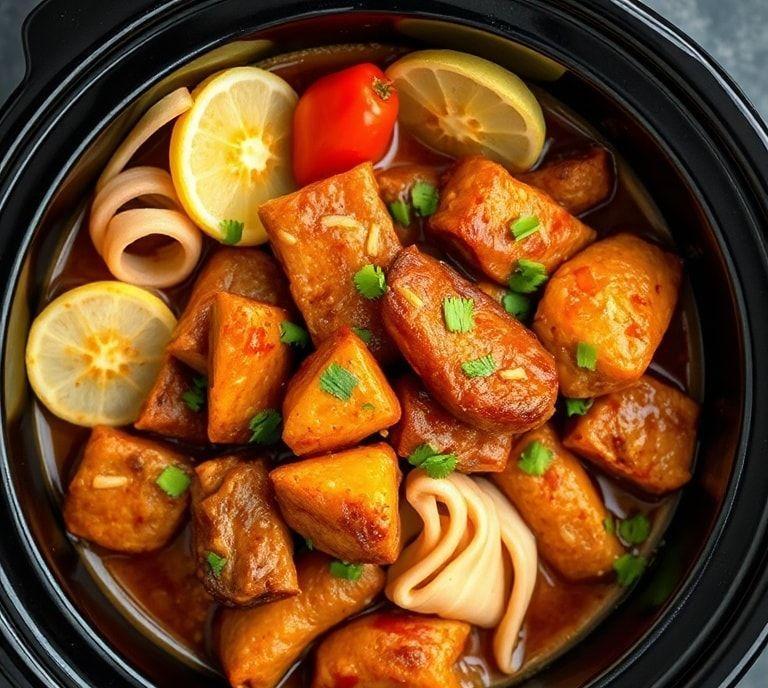
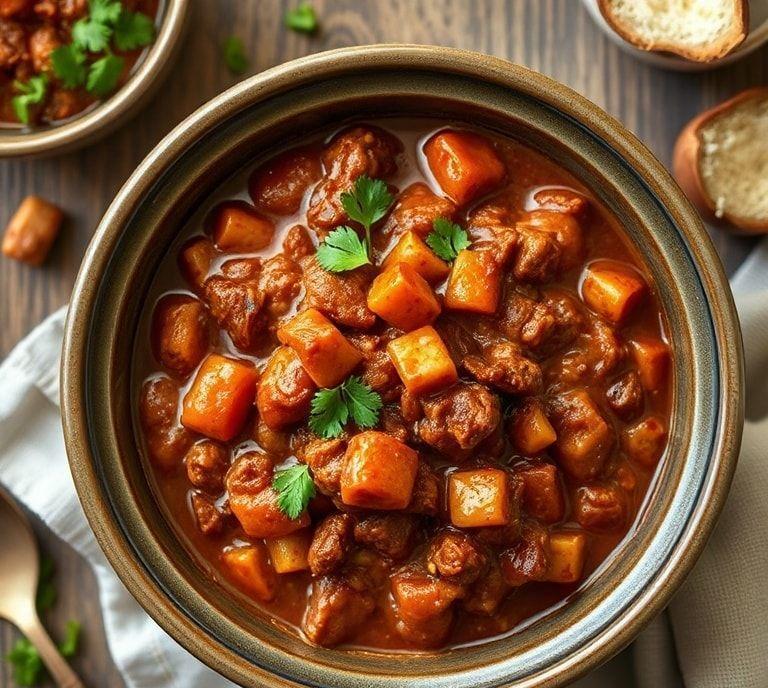
This recipe takes all the best elements of hotpot-savory broth, tender meat, and a variety of veggies-and transforms them into a hearty one-pot meal. It’s a balance of umami depth, gentle spice, and satisfying textures.
This version leans slightly toward a Chinese-style hotpot base, but it’s flexible enough to be tailored to Japanese, Korean, or even Thai flavors depending on your cravings.
Ingredient List
Here’s a well-rounded shopping list to give you a good balance of protein, vegetables, and flavors:
Broth Base
- 8 cups chicken stock (or beef stock if you want a deeper flavor)
- 3 tablespoons soy sauce
- 2 tablespoons rice vinegar (or black vinegar for more depth)
- 1-2 tablespoons chili paste or sauce (like doubanjiang or gochujang) for heat
- 1 tablespoon sesame oil
- 4 cloves garlic, minced
- 1 knob (2-3 inches) fresh ginger, sliced
- 2-3 dried shiitake mushrooms (optional, but adds incredible depth)
Proteins
- 1 lb thinly sliced beef (brisket, chuck, or sukiyaki-style cuts)
- 1/2 lb chicken thighs, boneless and skinless, cut into chunks
- 1 block firm tofu, cubed
Vegetables
- 1 small napa cabbage, chopped into large pieces
- 2 medium carrots, sliced into coins
- 1 cup daikon radish, cubed (optional, but traditional)
- 1 cup baby corn
- 1 cup bok choy, halved
- 1 cup fresh mushrooms (shiitake, enoki, or button)
Extras (Highly Recommended)
- Rice noodles, udon, or glass noodles (cooked separately, then added in)
- Fresh cilantro or scallions for garnish
- A drizzle of chili oil at the end for extra kick
Instruction Guide
Here’s the step-by-step roadmap to hotpot success:
-
Prep The Broth Base
- Add stock, soy sauce, vinegar, chili paste, sesame oil, garlic, ginger, and dried mushrooms into your slow cooker.
- Stir well and set to LOW. Let it heat for about 30-60 minutes while you prep your ingredients.
-
Layer The Proteins And Sturdy Vegetables
- Add chicken, tofu, carrots, daikon, and napa cabbage first. These take the longest to cook and will infuse the broth with flavor.
-
Slow Cook
- Cover and cook on LOW for 4-5 hours, or HIGH for 2-3 hours. The broth will deepen in flavor, and your chicken will become fall-apart tender.
-
Add Delicate Vegetables And Beef
- About 30 minutes before serving, add mushrooms, bok choy, and thinly sliced beef. This prevents overcooking while keeping the textures just right.
-
Final Touches
- Taste the broth and adjust seasoning-more soy sauce for saltiness, more chili paste for spice, or a splash of vinegar for brightness.
- Cook noodles separately, then ladle broth and toppings over them.
-
Serve Hot
- Garnish with cilantro, scallions, or a drizzle of chili oil.
Ingredient Swaps
One of the best things about hotpot is its flexibility. Don’t stress if you’re missing something-swap away:
- Stock: Use vegetable broth for a vegetarian/vegan version.
- Protein: Replace beef with thinly sliced pork belly, lamb, or shrimp.
- Tofu: Swap for tempeh or seitan for a plant-based option.
- Veggies: Use what’s in season-zucchini, spinach, bell peppers, or even sweet potato.
- Chili paste: If spice isn’t your thing, go milder with miso paste or hoisin for sweetness.
Helpful Tips
Here are some tricks to make your slow cooker hotpot shine:
- Thinly slice proteins: Freezing meat for 20-30 minutes makes it easier to slice paper-thin.
- Don’t overcrowd: Layer ingredients thoughtfully-sturdier ones on the bottom, delicate ones on top.
- Boost umami: Add a splash of fish sauce or a spoonful of miso near the end for extra depth.
- Mind the salt: Slow cookers intensify flavors, so taste before adding more soy sauce.
- Keep it interactive: Even though this is a slow cooker recipe, you can still serve it hotpot-style-keep the pot warm and let everyone scoop out their favorites at the table.
Customization Ideas
Here’s how you can make this recipe feel uniquely yours:
-
Regional Twist
- Go Japanese with kombu dashi, miso, and udon.
- Go Korean with gochujang, kimchi, and rice cakes.
- Go Thai with lemongrass, kaffir lime leaves, and coconut milk.
-
Flavor Bombs On The Side
- Mix up dipping sauces-try sesame sauce, peanut sauce, or soy-chili blends.
- Keep chili oil and fresh lime wedges at the table for customization.
-
Carb Choices
- Noodles are classic, but rice, quinoa, or even crusty bread can soak up the broth beautifully.
-
Make It Cozy Or Fancy
- Weeknight dinner? Throw everything in and let it simmer.
- Dinner party? Prep multiple bowls of toppings so everyone can personalize their own serving.
FAQs
What Is A Hotpot Slow Cooker Recipe?
A hotpot slow cooker recipe is a method of preparing a traditional hotpot meal using a slow cooker. Ingredients such as meat, seafood, vegetables, tofu, and noodles are cooked together in a flavorful broth over several hours, allowing the flavors to meld and develop slowly.
How Long Should I Cook Hotpot In A Slow Cooker?
Cooking time depends on the ingredients, but generally, hotpot in a slow cooker should be cooked on low for 4-6 hours or on high for 2-3 hours. Meats like beef or chicken benefit from longer cooking to become tender, while delicate vegetables should be added in the last hour to prevent overcooking.
Can I Use Pre-made Broth For A Slow Cooker Hotpot?
Yes, pre-made broth can be used for convenience. You can enhance it by adding ingredients like garlic, ginger, soy sauce, or chili paste to intensify the flavor. Homemade broth, however, often provides a richer and more nuanced taste.
Which Proteins Work Best In A Hotpot Slow Cooker Recipe?
Common proteins include thinly sliced beef, chicken, pork, seafood (shrimp, fish, squid), and tofu. Slow cooking allows tougher cuts of meat to tenderize, making it versatile for different protein choices.
Do I Need To Pre-cook Any Ingredients Before Adding Them To The Slow Cooker?
While it is not strictly necessary, browning meat before adding it can enhance flavor. Some vegetables, like potatoes or carrots, benefit from being slightly pre-cooked to ensure they reach the desired tenderness by the end of the slow cooking process.
Can I Make A Vegetarian Hotpot In A Slow Cooker?
Yes, a vegetarian hotpot can be made using a vegetable broth base and ingredients like mushrooms, tofu, cabbage, spinach, carrots, and noodles. Adding umami-rich ingredients such as soy sauce, miso paste, or dried seaweed can create a deep, savory flavor.
How Can I Prevent The Broth From Becoming Too Salty?
To prevent oversalting, start with a low-sodium broth or reduce soy sauce and seasoning. Taste the broth midway through cooking and adjust seasoning gradually. Slow cooking concentrates flavors, so it is better to season lightly at the start.
Can I Freeze Leftovers From A Slow Cooker Hotpot?
Yes, leftovers can be frozen. Allow the hotpot to cool completely, then transfer it to airtight containers. Most ingredients, including meat and vegetables, freeze well, although some delicate vegetables may change texture slightly upon reheating.
What Types Of Noodles Work Best In A Slow Cooker Hotpot?
Wheat noodles, rice noodles, glass noodles, or udon work well. It is recommended to add noodles during the last 20-30 minutes of cooking to prevent them from becoming mushy, as slow cookers continue to soften ingredients over time.
How Can I Make My Hotpot Slow Cooker Recipe More Flavorful?
Enhance flavor by using aromatic ingredients such as garlic, ginger, scallions, and chili. Layering flavors with sauces like soy, hoisin, or oyster sauce, and incorporating herbs like cilantro or Thai basil before serving, will give the hotpot depth and richness. Additionally, simmering for a longer time on low heat allows flavors to develop fully.