
Beef Tongue Slow Cooker Recipe (Guide)
Let’s talk about something that doesn’t get nearly enough love in the kitchen: beef tongue. I know, the idea might make some people pause-but hear me out. Beef tongue is incredibly flavorful, tender when cooked right, and has this wonderful, melt-in-your-mouth texture that makes it perfect for slow cooking. It’s one of those cuts that’s both rich in history and surprisingly versatile. Across cultures-from Mexican tacos de lengua to Jewish deli sandwiches-beef tongue is a true culinary treasure.
Cooking it in a slow cooker is honestly a game-changer. Why? Because it allows the tongue to simmer gently over hours, absorbing flavors while breaking down tough muscle fibers, resulting in something so tender it practically falls apart on your fork. Plus, it’s largely hands-off. You can prep in the morning and come back to an aromatic, ready-to-eat meal by dinner.
Beef Tongue Slow Cooker Recipe
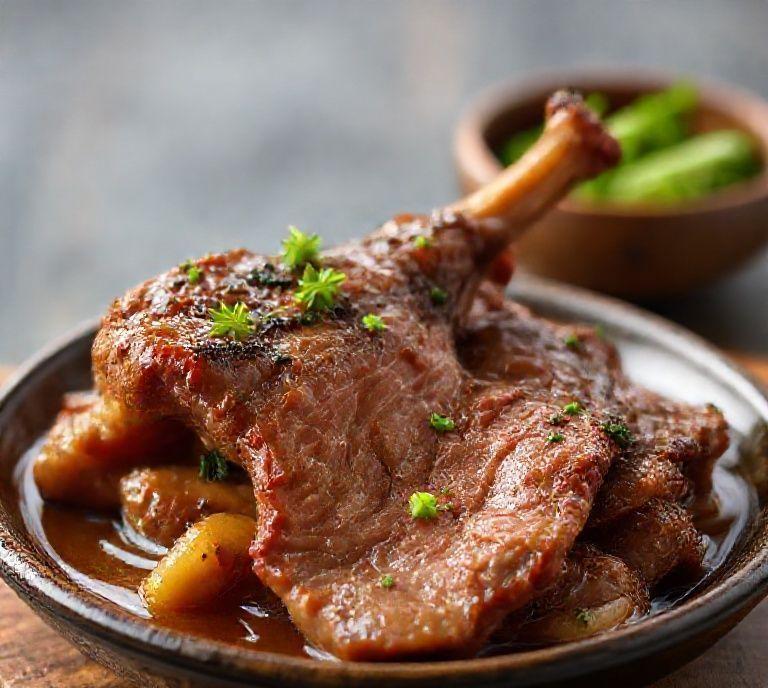
This recipe is all about simplicity, depth of flavor, and that slow-cooked tenderness we all crave. You’ll need just a handful of ingredients, and you can tweak it however you like. By the time we’re done, you’ll be thinking, ’Why didn”t I try this sooner”?
Ingredient List
Here’s a comprehensive list of what you’ll need for this slow-cooked masterpiece:
- Beef tongue – 2-3 pounds, trimmed
- Onions – 2 medium, peeled and quartered
- Carrots – 2-3, roughly chopped
- Celery stalks – 2, chopped
- Garlic cloves – 4-5, smashed
- Bay leaves – 2-3
- Whole black peppercorns – 1 teaspoon
- Salt – 1-2 teaspoons, or to taste
- Beef broth – 4 cups (or enough to mostly cover the tongue)
-
Optional Extras For Flavor Depth
- Fresh thyme or rosemary sprigs
- A splash of soy sauce or Worcestershire sauce
- A few cloves for a warm, earthy note
Instruction Guide
Cooking beef tongue in a slow cooker is surprisingly easy-here’s a step-by-step walkthrough that will make you feel like a pro:
-
Prep The Tongue
- Rinse the tongue thoroughly under cold water.
- Trim off any excess fat or gristle.
- Optional: Sear it in a hot skillet for 2-3 minutes per side for added flavor.
-
Layer The Slow Cooker
- Place the onions, carrots, celery, and garlic at the bottom.
- Nestle the beef tongue on top of the vegetables.
-
Add Seasoning
- Sprinkle salt, peppercorns, and bay leaves over the tongue.
- Add any optional herbs or flavorings you love.
-
Pour In Broth
- Add enough beef broth (or a combination of broth and water) to mostly submerge the tongue.
-
Cook Low And Slow
- Cover and cook on low for 8-10 hours or high for 5-6 hours.
- The tongue is done when a fork slides easily into the thickest part.
-
Peel And Slice
- Remove the tongue and let it cool slightly.
- Peel off the tough outer skin-this should come off easily after slow cooking.
- Slice the tongue thinly against the grain for tenderness.
-
Serve
- Serve hot with the cooking vegetables, over rice, mashed potatoes, or in tacos.
Ingredient Swaps
If you don’t have some of the ingredients, no worries-here are some substitutions that work beautifully:
- Beef broth → Chicken broth or vegetable broth for a lighter flavor
- Carrots → Parsnips, turnips, or sweet potatoes
- Celery → Fennel or bell pepper for a slightly different flavor profile
- Onions → Shallots or leeks for a milder, sweeter taste
- Bay leaves → Dried oregano or thyme if you’re out of bay leaves
Helpful Tips
These little nuggets of wisdom will make your beef tongue cooking experience smoother and more rewarding:
- Skimming the broth: Occasionally skim foam or impurities off the surface if cooking on high-this keeps the broth clear.
- Slicing against the grain: This is crucial. Slicing with the grain can make the meat tough.
- Flavor infusion: Don’t be shy with herbs, garlic, or even a splash of wine-it all adds layers to the final dish.
- Storage: Cooked tongue keeps beautifully in the fridge for up to 5 days, and it freezes well too.
Customization Ideas
Here’s where the fun really begins. Beef tongue is like a blank canvas for culinary creativity:
- Tacos de lengua: Slice thin, sear on a skillet, serve with corn tortillas, cilantro, onions, and salsa.
- Sandwiches: Thinly sliced tongue, mustard, pickles, and rye bread for a deli-style treat.
- Asian-style: Braise with soy sauce, ginger, and star anise for a bold, umami-rich flavor.
- Spicy kick: Add chili flakes or chipotle peppers to the slow cooker for a smoky, spicy punch.
FAQs
What Is The Best Way To Prepare Beef Tongue For A Slow Cooker?
Start by thoroughly rinsing the beef tongue under cold water. Trim any excess fat or connective tissue, and optionally soak it in cold water for a few hours to remove impurities. Some recipes recommend briefly boiling it for 10-15 minutes before placing it in the slow cooker to improve texture and flavor.
How Long Should I Cook Beef Tongue In A Slow Cooker?
Cooking time varies depending on the size of the tongue and slow cooker setting. Generally, cook on low for 8-10 hours or on high for 4-6 hours, until the meat is tender and easily pierced with a fork.
What Seasonings And Ingredients Work Best With Beef Tongue In A Slow Cooker?
Common seasonings include salt, pepper, garlic, onion, bay leaves, and paprika. Additional ingredients such as carrots, celery, and beef broth enhance flavor. Some recipes also incorporate vinegar or wine to help tenderize the meat.
Do I Need To Peel The Beef Tongue Before Or After Cooking?
Peeling is done after cooking. Once the tongue is tender, remove it from the slow cooker and let it cool slightly. The tough outer skin can then be peeled off easily using a knife or by hand.
Can I Cook Frozen Beef Tongue In A Slow Cooker?
It is not recommended to cook frozen beef tongue directly in a slow cooker because it may not reach a safe temperature quickly enough. Thaw it in the refrigerator first for even and safe cooking.
What Is The Best Way To Serve Slow-cooked Beef Tongue?
Slow-cooked beef tongue can be sliced thinly and served with sauces like chimichurri, mustard, or gravy. It also works well in tacos, sandwiches, or as part of a stew. Ensure the slices are tender for the best eating experience.
Can I Use A Pressure Cooker Instead Of A Slow Cooker For Beef Tongue?
Yes, a pressure cooker can significantly reduce cooking time. Typically, cook the tongue under high pressure for 60-90 minutes, depending on size. After cooking, release the pressure and peel the skin as usual.
How Do I Store Leftover Cooked Beef Tongue?
Allow the cooked tongue to cool, then wrap tightly and refrigerate for up to 3-4 days. For longer storage, freeze it in an airtight container for up to 2-3 months. Slice before freezing for easier use in recipes.
Is Slow-cooked Beef Tongue Healthy?
Beef tongue is high in protein and contains essential nutrients like vitamin B12, zinc, and iron. However, it is also higher in fat compared to lean cuts of beef. Slow cooking does not add fat, but seasoning and sauces can affect overall calorie content.
How Can I Tell If The Beef Tongue Is Fully Cooked In The Slow Cooker?
The tongue is done when it is tender and a fork can easily pierce the thickest part. Internal temperature should reach at least 160°F (71°C) for safe consumption. The skin should also loosen easily, indicating it’s ready to peel.