Easy Slow Cooker Ribs Brown Sugar Recipe (Guide)
Let’s be honest-there’s something undeniably comforting about a rack of tender, fall-off-the-bone ribs. The kind of ribs that make your kitchen smell irresistible, fill your home with cozy warmth, and have everyone at the table scrambling for napkins. But here’s the thing: cooking ribs can sometimes feel intimidating. Oven-baking, grilling, and timing meat perfectly can be stressful, especially if you’re chasing that sweet, sticky glaze that keeps people coming back for seconds.
Enter the slow cooker. This magical little appliance takes the guesswork out of the process and guarantees tender, juicy ribs every single time. And when we pair it with a simple, mouthwatering brown sugar recipe? You get ribs that are not just flavorful but downright addictive. In this guide, we’ll go deep into making the ultimate easy slow cooker brown sugar ribs, with ingredient swaps, helpful tips, and even some fun ways to customize your masterpiece.
Easy Slow Cooker Ribs Brown Sugar Recipe

This recipe is all about simplicity, comfort, and letting the slow cooker do the heavy lifting. The combination of brown sugar and a few basic seasonings creates a caramelized, sweet-savory coating that seeps into the meat as it cooks, keeping the ribs juicy and tender. Perfect for weeknight dinners, lazy weekends, or even a small gathering where you want to impress without spending hours over the stove.
Here’s what makes this recipe so amazing:
- Hands-off cooking: Prep your ingredients, set the slow cooker, and forget about it until dinnertime.
- Tender meat every time: The slow, low heat breaks down connective tissue so your ribs literally fall apart.
- Sweet and savory perfection: Brown sugar adds just the right touch of sweetness without overpowering the natural flavor of the pork.
Ingredient List
For this recipe, you don’t need a long list of exotic ingredients. Here’s what you’ll need:
- 2 racks of pork ribs (baby back or spare ribs, depending on preference)
- 1/2 cup brown sugar (packed, for that rich sweetness)
- 1 teaspoon smoked paprika (adds depth and a subtle smoky flavor)
- 1 teaspoon garlic powder
- 1 teaspoon onion powder
- 1/2 teaspoon black pepper
- 1/2 teaspoon salt (or to taste)
- 1/4 teaspoon cayenne pepper (optional, if you like a hint of heat)
- 1/2 cup apple cider vinegar or chicken broth (for moisture in the slow cooker)
- 1/4 cup barbecue sauce (optional, for brushing at the end for that glossy finish)
Instruction Guide
Let’s break this down step by step, like we’re chatting in the kitchen together:
-
Prepare The Ribs
- Remove the silver skin from the back of the ribs. This thin membrane can make ribs tougher if left on.
- Pat the ribs dry with a paper towel. This helps the rub stick better.
-
Mix The Rub
- In a small bowl, combine the brown sugar, smoked paprika, garlic powder, onion powder, salt, pepper, and cayenne (if using).
- Rub this mixture generously over both sides of the ribs. Don’t be shy-press it in so it sticks.
-
Layer In The Slow Cooker
- Pour apple cider vinegar or chicken broth into the bottom of the slow cooker.
- Place the ribs inside. Depending on the size of your slow cooker, you may need to curl or cut the ribs to fit.
-
Cook Low And Slow
- Cover the slow cooker and cook on low for 6-8 hours or high for 3-4 hours. Low and slow is preferred for maximum tenderness.
-
Optional Finishing Touch
- Preheat your oven broiler or grill.
- Brush ribs with barbecue sauce and broil/grill for 3-5 minutes to get that sticky, caramelized finish.
-
Serve And Enjoy
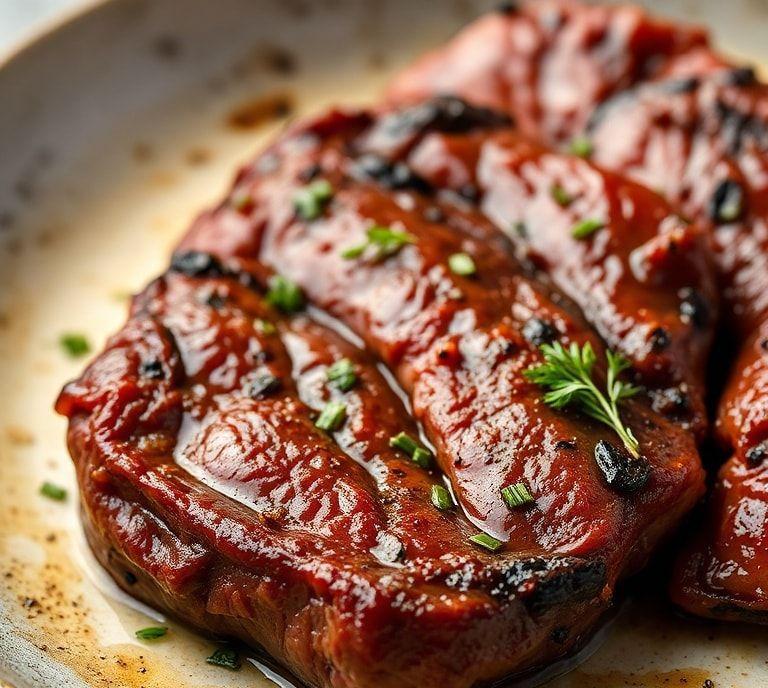
- Cut the ribs between the bones, pile them high on a plate, and watch them disappear. Napkins are recommended.
Ingredient Swaps
Sometimes, you don’t have every ingredient on hand, or you want to experiment a bit. Here are some smart swaps:
- Brown sugar: Maple syrup, honey, or coconut sugar can be used for a different but delicious sweetness.
- Smoked paprika: Regular paprika, chili powder, or even a touch of liquid smoke can replicate the smoky depth.
- Apple cider vinegar: Lemon juice, white wine vinegar, or even a splash of orange juice for a citrusy twist.
- Barbecue sauce: Any favorite sauce works, or leave it out entirely if you prefer pure brown sugar flavor.
Helpful Tips
To make sure your ribs turn out perfect every time, keep these tips in mind:
- Don’t skip the silver skin removal: It’s the difference between tender ribs and tough ribs.
- Brown sugar placement: Applying it directly on the meat ensures it caramelizes nicely.
- Slow cooker layering: Avoid over-stacking. Ribs cook best when there’s a bit of airflow around them.
- Check for tenderness: Ribs are done when a fork slides in easily. If they’re not quite there, cook a bit longer rather than rushing.
- Broil carefully: The sugar can burn quickly under a broiler, so keep an eye on the ribs when finishing.
Customization Ideas
Want to put your own spin on this classic? There’s a lot of room for creativity:
- Spicy kick: Add chili flakes or hot sauce to the rub for heat lovers.
- Sweet twist: Mix brown sugar with a bit of honey or molasses for extra caramelization.
- Herbal notes: Sprinkle dried thyme, rosemary, or oregano into the rub for a fragrant twist.
- Asian-inspired: Swap the barbecue sauce for hoisin or teriyaki glaze and add a little ginger to the rub.
- Smoky flavor: Use liquid smoke or smoked sea salt to amplify that campfire taste.
FAQs
What Type Of Ribs Is Best For This Slow Cooker Recipe?
Baby back ribs or St. Louis-style spare ribs are both ideal for slow cooking. Baby back ribs are more tender and lean, while St. Louis ribs have more fat and flavor. Both will benefit from the slow cooking process combined with brown sugar for a sweet, caramelized finish.
Do I Need To Remove The Membrane From The Ribs?
Yes, removing the silver skin membrane from the back of the ribs is highly recommended. This allows the brown sugar and seasonings to penetrate better and ensures the ribs are more tender and easier to eat.
Can I Make This Recipe Ahead Of Time?
Absolutely. You can season the ribs with brown sugar and other spices the night before, cover them, and refrigerate. When ready, place them in the slow cooker. This helps the flavors penetrate deeper and can save cooking time on the day you plan to serve them.
How Long Should The Ribs Cook In A Slow Cooker?
Cook ribs on low heat for 6 to 8 hours, or on high for 3 to 4 hours. Low and slow cooking ensures that the meat becomes tender and infused with the brown sugar flavor without drying out.
Can I Add Other Ingredients To Enhance Flavor?
Yes. Popular additions include garlic, onion, paprika, chili powder, apple cider vinegar, barbecue sauce, or Worcestershire sauce. These complement the sweetness of the brown sugar and add depth to the flavor profile.
Do I Need To Sear The Ribs Before Slow Cooking?
Searing is optional. While browning the ribs in a skillet before placing them in the slow cooker can enhance flavor and color, the slow cooking process alone is sufficient to tenderize the meat and develop rich flavors.
Should I Cover The Ribs With Liquid In The Slow Cooker?
You don’t need a lot of liquid. A small amount of broth, water, or apple juice can help maintain moisture, but the ribs will release their own juices during cooking. The brown sugar and seasonings will create a flavorful glaze as the ribs cook.
Can I Use This Recipe For Frozen Ribs?
It is not recommended to cook ribs from frozen in a slow cooker. Thaw the ribs first to ensure even cooking and proper texture. Cooking from frozen can result in unevenly cooked meat and potentially unsafe internal temperatures.
How Do I Finish The Ribs For A Caramelized Crust?
For a caramelized exterior, remove the ribs from the slow cooker after cooking and brush with additional brown sugar or barbecue sauce. Then broil in the oven for 3-5 minutes or grill briefly. This step enhances the sweetness and gives a slightly crisp finish.
How Should I Store Leftover Ribs?
Allow the ribs to cool slightly, then wrap tightly in foil or store in an airtight container in the refrigerator for up to 3-4 days. For longer storage, freeze the cooked ribs for up to 2-3 months and reheat gently to preserve texture and flavor.