Slow Cook Bone Broth Recipe (Guide)
Bone broth has become one of those timeless kitchen staples that people can’t stop talking about-and for good reason. It’s not just a trend; it’s been around for centuries in cultures across the globe. Whether you call it broth, stock, or liquid gold, this savory elixir is packed with nutrients, minerals, and that deep, soulful flavor that can elevate almost any dish.
There’s something incredibly comforting about simmering bones and vegetables for hours until they transform into a nourishing, silky broth. And the beauty of it? It’s both humble and luxurious at the same time. You’re essentially taking scraps-bones that might otherwise be discarded-and turning them into a base for soups, sauces, gravies, or just a warming mug on a chilly day.
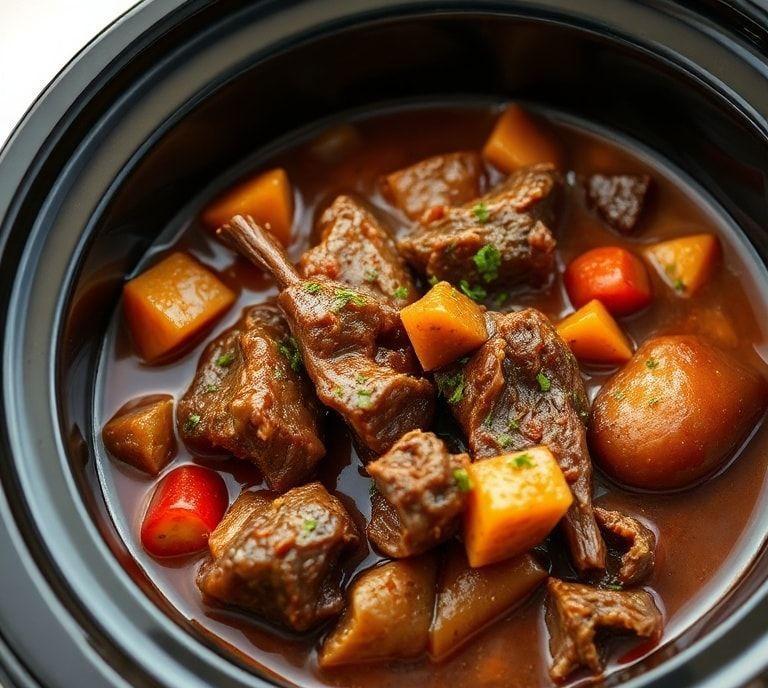
The slow cooker makes this process even more appealing. Instead of hovering over a pot on the stove for hours, you get to “set it and forget it”. Your house slowly fills with that irresistible aroma while the broth develops into something rich and flavorful without you needing to babysit it.
Slow Cook Bone Broth Recipe
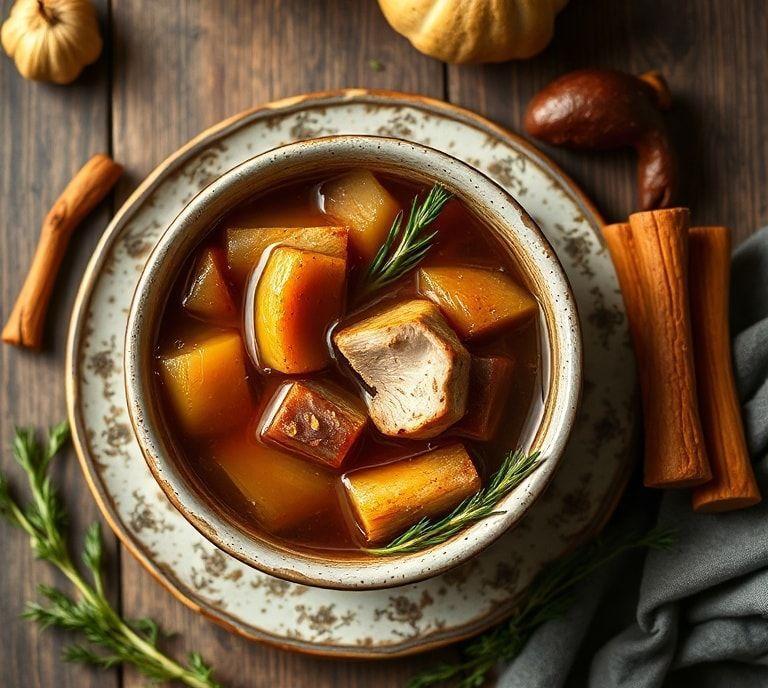
This slow cooker bone broth recipe is as hands-off as it gets. Toss in your bones, add some veggies and aromatics, cover with water, and let time do the magic. The result? A deeply nourishing broth you can sip, freeze, or use as a culinary building block.
Ingredient List
Here’s what you’ll need to make a rich, well-rounded bone broth:
Bones (the Star Of The Show)
- 2-3 pounds of beef, chicken, turkey, or mixed bones (preferably with some meat and marrow still attached)
- Optional: roasted bones for extra depth of flavor
Vegetables
- 2 medium carrots, roughly chopped
- 2 celery stalks, roughly chopped
- 1 large onion, quartered (you don’t even need to peel it; the skin adds color!)
Aromatics
- 3-5 garlic cloves, smashed
- 2-3 bay leaves
- 1 teaspoon black peppercorns
- A few sprigs of fresh parsley or thyme
Acid (important For Extracting Nutrients)
- 2 tablespoons apple cider vinegar (helps draw minerals from the bones)
Liquid
- Enough filtered water to cover everything by about 1-2 inches
Instruction Guide
Here’s the step-by-step process to achieve that silky, nutrient-rich broth:
-
Prepare The Bones
- If using raw bones, you can roast them in the oven at 400°F for 30 minutes to enhance the flavor. (Totally optional, but highly recommended for beef or pork bones.)
-
Layer Your Ingredients
- Place bones into your slow cooker first.
- Add in your veggies and aromatics.
-
Add Acid And Water
- Pour in the apple cider vinegar.
- Cover with water, leaving a little space at the top so it doesn’t spill as it simmers.
-
Slow Cook Away
- Set your slow cooker to low and cook for at least 12 hours, up to 24 for maximum richness. The longer you go, the more flavor and nutrients you’ll extract.
-
Strain And Store
- Once done, carefully strain the broth through a fine mesh sieve.
- Let it cool before refrigerating. (You’ll notice a layer of fat solidifies on top-this can be skimmed off or left in for richness.)
- Store in jars in the fridge for up to 5 days or freeze in portions for long-term use.
Ingredient Swaps
Not everyone has the exact same pantry staples, so here are some easy swaps:
-
Bones
- Don’t have beef bones? Use chicken wings, drumsticks, or even fish bones.
- A mix of different bones (like chicken feet + beef marrow bones) makes a more gelatinous broth.
-
Vinegar
- No apple cider vinegar? White wine vinegar or even lemon juice works fine.
-
Veggies
- Out of carrots? Use parsnips or even a sweet potato for a hint of sweetness.
- No onion? Shallots or leeks make great substitutes.
-
Herbs
- Bay leaf not your thing? Try rosemary or sage for a slightly different aromatic profile.
Helpful Tips
A few little tricks can make a world of difference:
- Blanch bones before roasting (especially beef or pork): simmer them in water for 10 minutes first, then roast. This removes impurities and gives you a cleaner broth.
- Don’t oversalt upfront: Seasoning can always be adjusted later. The broth is meant to be a flexible base.
- Let it cool fully before storing: Helps prevent spoilage and keeps that beautiful gel texture intact.
- Ice cube trick: Freeze broth in ice cube trays for quick single-serving portions. Perfect for deglazing pans or adding flavor to grains.
Customization Ideas
Bone broth is incredibly forgiving, so feel free to make it your own:
- For a spicier broth: Toss in a dried chili pepper or a few slices of ginger.
- For an Asian twist: Add star anise, soy sauce, or kombu (dried seaweed).
- For a richer color and flavor: Always roast your bones and onions first.
- For extra collagen: Include chicken feet, turkey necks, or beef knuckles.
- For sipping broth: Add a splash of coconut aminos or a squeeze of fresh lemon before drinking.
FAQs
What Types Of Bones Are Best For Slow-cooked Bone Broth?
For a rich and nutritious bone broth, use a combination of bones, including marrow bones, knuckle bones, and joint bones from beef, chicken, or pork. Marrow bones add flavor and healthy fats, while knuckle and joint bones are high in collagen, which helps create a gelatinous texture.
Do I Need To Roast The Bones Before Slow Cooking?
Roasting bones before slow cooking is optional but recommended for a deeper, more robust flavor. Roast the bones at 400°F (200°C) for 30-45 minutes until browned before transferring them to the slow cooker.
How Long Should I Cook Bone Broth In A Slow Cooker?
Cook the bone broth on low heat for 12-24 hours. Longer cooking extracts more minerals and collagen from the bones, resulting in a richer, more gelatinous broth. Chicken bones may require 12-16 hours, while beef or pork bones benefit from 18-24 hours.
What Vegetables And Aromatics Should I Add To The Broth?
Common additions include onions, carrots, celery, garlic, and leeks. Herbs such as parsley, thyme, and bay leaves enhance flavor. Avoid adding salt during cooking, as it can concentrate and make the broth too salty.
Should I Use Vinegar In Slow-cooked Bone Broth?
Yes, adding 1-2 tablespoons of apple cider vinegar or another mild acid helps extract minerals like calcium and magnesium from the bones. Add the vinegar at the beginning of cooking and let the mixture sit for 20-30 minutes before heating.
Do I Need To Skim Fat Or Impurities During Cooking?
Yes, especially in the first few hours, a layer of foam or scum may rise to the surface. Skimming it off improves clarity and taste. Once the broth has cooked for several hours, most impurities will settle or dissolve.
How Should I Store Slow-cooked Bone Broth?
Cool the broth to room temperature, then refrigerate in airtight containers for up to 5 days. For longer storage, freeze the broth in portions for up to 6 months. Gelatinous broth may solidify when chilled but will return to liquid when heated.
Can I Use Leftover Bones For Multiple Batches?
Yes, bones can be reused for a second, lighter batch of broth, often called “second stock”. Add fresh vegetables and cook for an additional 6-12 hours to extract remaining nutrients, though the flavor and gelatin content will be milder.
How Do I Know When The Bone Broth Is Done?
Bone broth is ready when it has a rich color, full flavor, and slightly gelatinous texture when cooled. For beef or pork bones, 18-24 hours is optimal; for chicken bones, 12-16 hours usually suffices. Taste-testing can help determine if the flavor is concentrated enough.
Is Slow-cooked Bone Broth Nutritious?
Yes, slow-cooked bone broth is rich in protein, collagen, amino acids, and minerals like calcium, magnesium, and phosphorus. These nutrients support joint health, skin elasticity, and overall well-being. Slow cooking ensures maximum extraction of these beneficial compounds from the bones.