Slow Cooker Pot Roast Red Wine Recipe (Guide)
Ah, the slow cooker pot roast-there’s something undeniably comforting about the thought of tender beef, perfectly melded vegetables, and a rich, savory sauce simmering slowly until it practically melts in your mouth. But when you add red wine to the mix, you take this classic comfort dish to a whole new level. The wine doesn’t just add flavor; it introduces depth, subtle acidity, and a slightly fruity undertone that transforms ordinary pot roast into something restaurant-worthy.
This recipe is perfect for busy weeknights or leisurely weekends alike because, while the cooking time is long, the hands-on effort is minimal. Imagine walking away from your kitchen for several hours, only to return to the irresistible aroma of slow-cooked beef that’s so tender you can cut it with a fork, swimming in a luscious, wine-infused gravy.
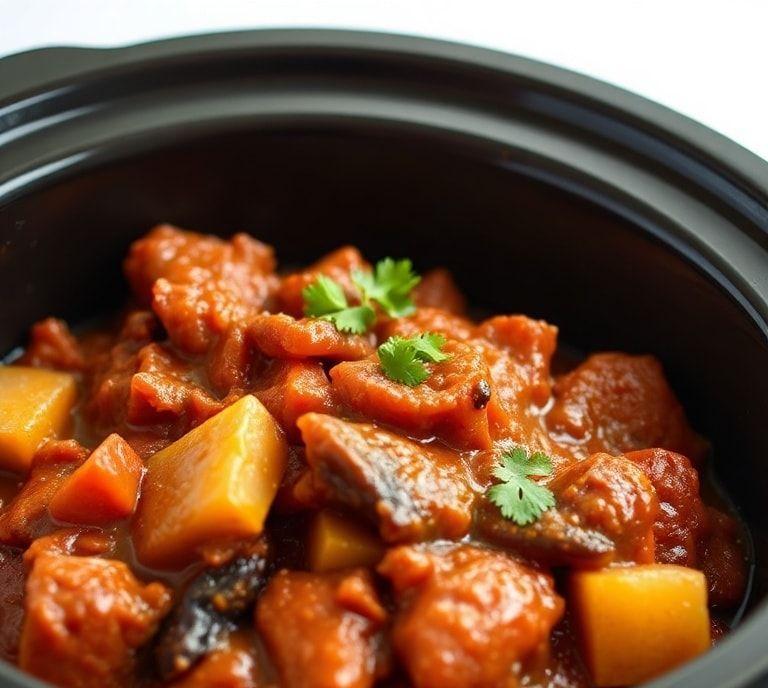
Slow Cooker Pot Roast Red Wine Recipe
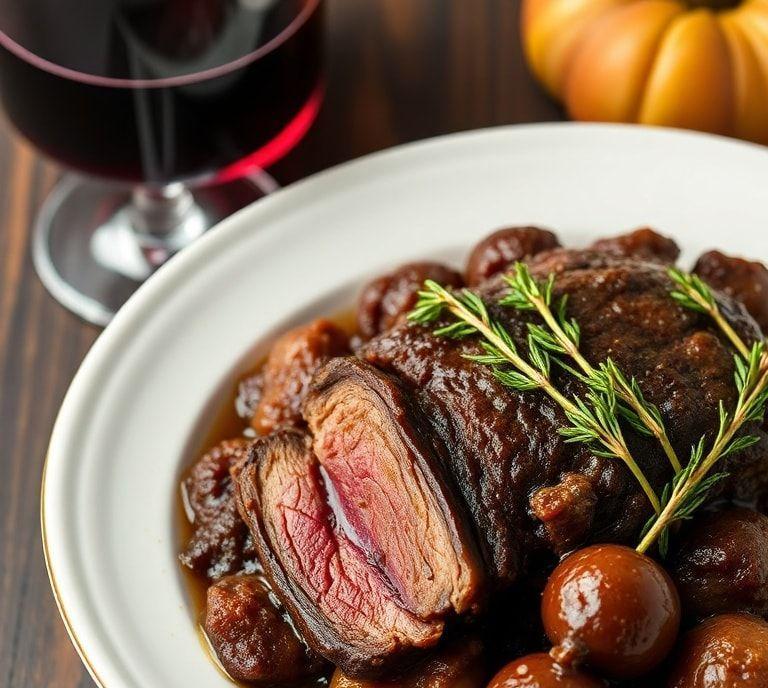
This is the ultimate slow-cooked pot roast recipe, designed to maximize flavor, tenderness, and simplicity. It’s rich, hearty, and perfectly suited for family dinners, meal prep, or even entertaining guests with minimal stress.
Ingredient List
Here’s what you’ll need for this deeply flavorful slow cooker pot roast:
For The Roast
- 3-4 lbs beef chuck roast (well-marbled for maximum tenderness)
- Salt and freshly ground black pepper, to taste
- 2 tbsp olive oil or vegetable oil (for searing)
For The Vegetables
- 4 large carrots, peeled and cut into chunks
- 3 medium russet potatoes, peeled and cut into chunks
- 1 large onion, sliced thickly
- 3-4 cloves garlic, minced
- 2 stalks celery, cut into chunks (optional, adds depth)
For The Sauce
- 1 ½ cups dry red wine (Cabernet Sauvignon, Merlot, or Pinot Noir)
- 1 cup beef broth (low sodium is best)
- 2 tbsp tomato paste
- 2 tsp Worcestershire sauce
- 2 tsp fresh thyme leaves or 1 tsp dried thyme
- 1 tsp fresh rosemary, chopped, or ½ tsp dried rosemary
- 2 bay leaves
- 2 tbsp all-purpose flour (optional, for thickening gravy at the end)
Instruction Guide
Follow these steps to make a perfectly tender, flavorful pot roast:
-
Prep The Beef
- Pat the roast dry with paper towels and generously season with salt and black pepper. This helps create a flavorful crust during searing.
-
Sear The Roast
- Heat olive oil in a large skillet over medium-high heat.
- Sear the beef on all sides until browned, about 3-4 minutes per side. This step locks in flavor and adds depth to the sauce.
-
Prepare The Slow Cooker
- Place carrots, potatoes, onion, and celery at the bottom of the slow cooker, creating a ’bed’ for the roast.
- Sprinkle minced garlic over the vegetables.
-
Mix The Sauce
- In a medium bowl, whisk together red wine, beef broth, tomato paste, Worcestershire sauce, thyme, rosemary, and bay leaves.
-
Combine Everything
- Place the seared roast on top of the vegetables.
- Pour the red wine mixture over the roast, ensuring some of it seeps around the vegetables.
-
Slow Cook
- Cover and cook on LOW for 8-10 hours or HIGH for 5-6 hours. The meat should be fork-tender and vegetables perfectly cooked.
-
Optional Gravy Thickening
- Remove the roast and vegetables and keep warm.
- Pour the remaining liquid into a saucepan, whisk in 2 tbsp flour, and simmer for 5-10 minutes until thickened. Adjust seasoning with salt and pepper.
-
Serve
- Slice or shred the roast and serve with the vegetables, pouring the thickened red wine gravy over everything.
Ingredient Swaps
Sometimes you need to get creative based on what’s in your pantry or dietary needs. Here are some excellent substitutions:
- Beef: Chuck roast can be swapped with brisket or round roast. Pork shoulder is an option for a slightly sweeter flavor.
- Red wine: If you prefer no alcohol, substitute with grape juice mixed with a splash of balsamic vinegar or extra beef broth.
- Vegetables: Swap potatoes with sweet potatoes or parsnips; carrots can be replaced with turnips or butternut squash.
- Herbs: Thyme and rosemary can be replaced with oregano, sage, or herbes de Provence.
Helpful Tips
- Don’t skip searing: It’s tempting to throw everything in the slow cooker, but searing the meat adds essential flavor and color.
- Low and slow is best: Cooking on low heat yields the most tender and juicy results. High heat is faster but may compromise texture.
- Layer flavors: Place vegetables first, then meat. Liquids on top help infuse all the flavors without overcooking veggies.
- Check seasoning at the end: Slow cooking can dilute flavors, so taste and adjust salt, pepper, and acidity before serving.
- Leftovers: The flavors improve overnight. Store in the fridge for up to 3 days or freeze for up to 3 months.
Customization Ideas
Make this recipe truly your own by experimenting with:
- Spice kick: Add a pinch of smoked paprika, cayenne, or chili flakes.
- Umami boost: Include a handful of mushrooms or a splash of soy sauce.
- Fresh herbs at the end: Sprinkle chopped parsley, chives, or basil for a bright, fresh finish.
- Creamy twist: Stir in a touch of heavy cream or sour cream at the end for a richer gravy.
- Wine variations: Experiment with Merlot for fruitiness, Cabernet Sauvignon for boldness, or Zinfandel for a slightly sweet undertone.
FAQs
What Cut Of Beef Is Best For A Slow Cooker Pot Roast With Red Wine?
The best cuts for slow cooker pot roast are those that become tender with slow, moist cooking. Common choices include chuck roast, brisket, or bottom round. These cuts have enough marbling and connective tissue to break down during long cooking, resulting in a flavorful, tender roast.
Do I Need To Sear The Beef Before Adding It To The Slow Cooker?
Searing the beef is not strictly necessary but highly recommended. Browning the meat in a hot pan before slow cooking enhances flavor through the Maillard reaction and improves the overall appearance of the roast.
What Type Of Red Wine Should I Use In The Recipe?
Use a dry red wine such as Cabernet Sauvignon, Merlot, or Pinot Noir. Avoid sweet or dessert wines, as they can make the sauce overly sweet. Choose a wine you would enjoy drinking, as the flavor will concentrate during cooking.
Can I Make This Recipe Without Wine?
Yes, you can substitute the wine with beef broth, grape juice mixed with a little vinegar, or a combination of stock and a splash of balsamic vinegar. However, the wine adds a distinctive depth of flavor that is difficult to replicate completely.
How Long Should I Cook The Pot Roast In A Slow Cooker?
Cook the pot roast on low heat for 8 to 10 hours or on high heat for 4 to 6 hours. Low and slow cooking yields the most tender meat. The exact time may vary depending on the size of the roast and your slow cooker model.
What Vegetables Pair Well With A Red Wine Slow Cooker Pot Roast?
Classic vegetables include carrots, potatoes, onions, and celery. You can also add parsnips, turnips, or mushrooms for extra flavor. Add more delicate vegetables like peas or green beans near the end of cooking to prevent overcooking.
Should I Add Herbs And Spices To The Slow Cooker?
Yes, herbs like thyme, rosemary, and bay leaves complement the flavors of beef and red wine. Garlic, black pepper, and a touch of paprika or mustard powder can also enhance the taste. Fresh or dried herbs can both be used; just adjust quantities accordingly.
Can I Thicken The Sauce After Slow Cooking?
Absolutely. After removing the roast and vegetables, transfer the cooking liquid to a saucepan and simmer it to reduce, or whisk in a cornstarch or flour slurry until the sauce reaches your desired thickness.
Is It Possible To Prepare This Recipe In Advance?
Yes. You can assemble the ingredients in the slow cooker the night before and store it in the refrigerator overnight. Start cooking the next day as directed. This can enhance flavor but ensure the meat stays cold until cooking begins to avoid food safety issues.
How Can I Tell When The Pot Roast Is Done?
The roast is done when the meat is fork-tender and easily pulls apart. Internal temperature should reach at least 190°F (88°C) for optimal tenderness, especially for tougher cuts. The vegetables should also be soft but not mushy.