Slow Cooker Pork Shoulder Picnic Roast Recipe (Guide)
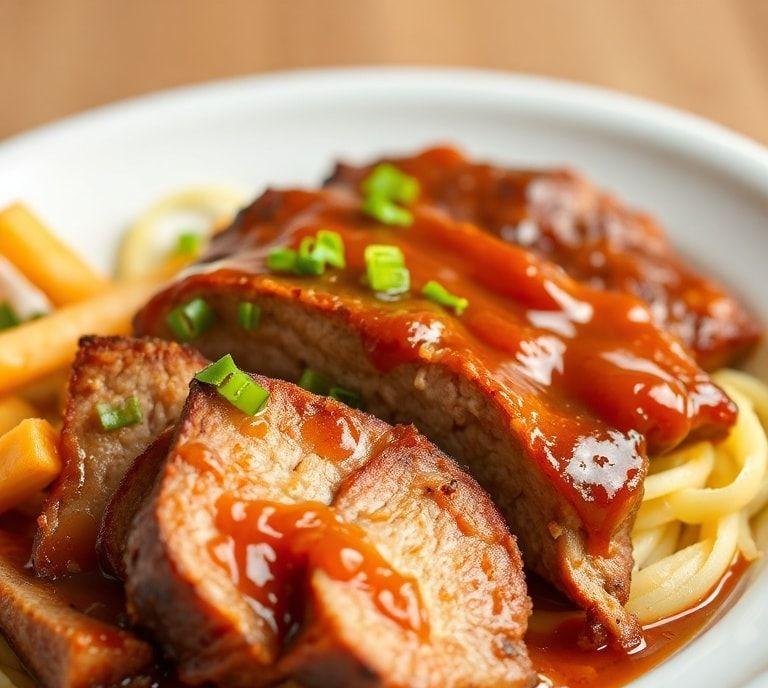
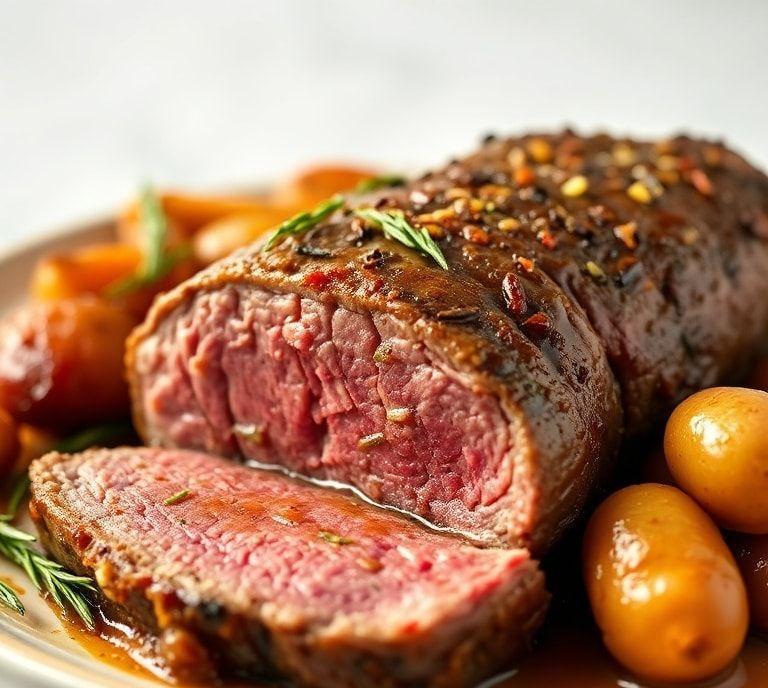
Let’s talk about one of those magical dishes that seems to do all the work for you: the Slow Cooker Pork Shoulder Picnic Roast. If you’ve ever dreamed of coming home to the smell of tender, fall-apart pork that practically melts in your mouth, this recipe is your new best friend.
Slow cooking is a culinary gift-it allows tough cuts of meat like the pork shoulder to transform into succulent, flavorful, and utterly satisfying dishes with minimal effort. The magic happens slowly, over hours, as the meat absorbs seasonings, releases its own rich juices, and develops that mouthwatering caramelized exterior that everyone loves.
This recipe is perfect for busy families, meal prep enthusiasts, or anyone who loves comfort food that doesn’t require babysitting a pan on the stove. Imagine serving juicy, tender pork for dinner with a simple side of roasted vegetables, mashed potatoes, or even over a soft bun for an incredible pulled pork sandwich.
Slow Cooker Pork Shoulder Picnic Roast Recipe
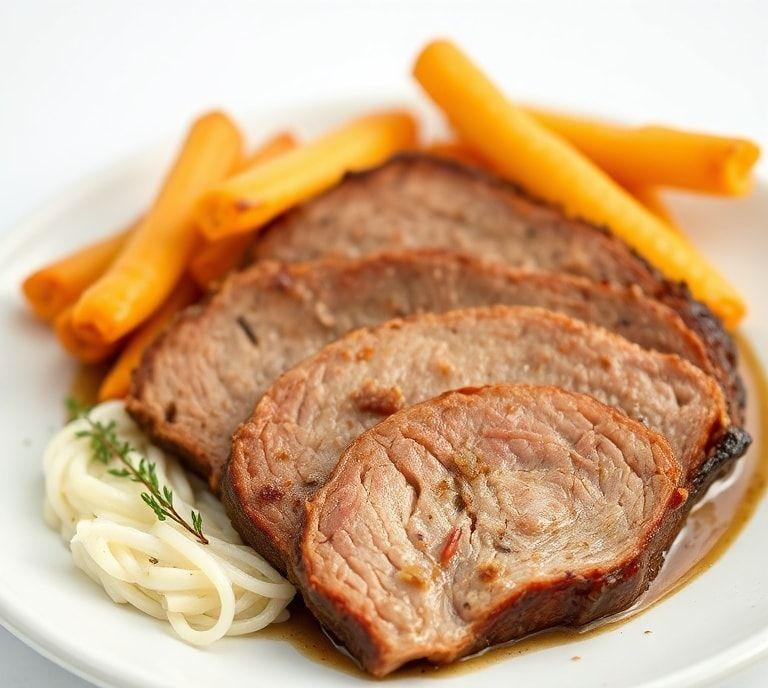
This isn’t just any pork roast. This is a slow-cooked masterpiece that will make you feel like a culinary rock star even if you’re not. We’re talking about:
- A pork shoulder picnic roast that stays moist and juicy
- A rich, savory flavor profile that develops over hours
- A recipe that’s practically foolproof-perfect for beginners or seasoned cooks alike
With just a handful of ingredients and your trusty slow cooker, you can create a dinner that tastes like it took hours of attention and love, even while you’ve been binge-watching your favorite series or running errands.
Ingredient List
Here’s everything you’ll need for a classic, foolproof version of this recipe:
- 3-4 lb pork shoulder picnic roast (bone-in or boneless)
- 2 tablespoons olive oil (optional, for searing)
- 1 large onion, sliced thin
- 4-5 garlic cloves, minced or smashed
- 1 cup chicken or vegetable broth
- 1/4 cup apple cider vinegar (adds a subtle tang)
- 2 tablespoons brown sugar (optional, for caramelization)
- 1 teaspoon smoked paprika (adds depth and smoky flavor)
- 1 teaspoon salt
- 1/2 teaspoon black pepper
- 1 teaspoon dried thyme or rosemary
-
Optional Flavor Boosters
- 1 tablespoon Dijon mustard
- 1 teaspoon chili flakes for heat
- 1/4 cup soy sauce for umami
Pro tip: Measure your spices ahead of time. It makes tossing everything together in the morning a breeze, especially on busy days.
Instruction Guide
Here’s how to turn that humble pork shoulder into a slow-cooked sensation:
-
Prep The Meat
- Pat your pork shoulder dry with paper towels. Dry meat sears better and helps the flavors stick.
- Season generously with salt, pepper, smoked paprika, and your preferred herbs.
-
Optional Sear For Extra Flavor
- Heat olive oil in a skillet over medium-high heat.
- Sear the pork on all sides until golden brown (2-3 minutes per side). This step is optional but adds a rich, caramelized flavor.
-
Layer The Slow Cooker
- Place sliced onions and garlic at the bottom of the slow cooker.
- Add the seared pork shoulder on top.
-
Add Liquids And Seasonings
- Pour in broth, apple cider vinegar, and any optional sauces or spices.
- Sprinkle brown sugar over the top if using.
-
Cook Low And Slow
- Cover and cook on LOW for 8-10 hours or HIGH for 4-6 hours, until the pork is tender and easily shredded with a fork.
-
Finish And Serve
- Remove the pork and let it rest for 10-15 minutes.
- Optional: Strain the cooking juices into a small saucepan, simmer for 5-10 minutes to thicken, and drizzle over the pork.
- Serve with your favorite sides or shred for sandwiches.
Ingredient Swaps
Don’t have something on hand? No problem! Here are some practical swaps:
- Pork shoulder: Can use pork butt or even a small pork leg roast.
- Chicken broth: Vegetable broth, beef broth, or even water with a bouillon cube.
- Apple cider vinegar: White wine vinegar or lemon juice for acidity.
- Brown sugar: Maple syrup, honey, or coconut sugar for sweetness.
- Herbs: Fresh herbs work well if dried are unavailable-just double the amount for best results.
This recipe is wonderfully forgiving-feel free to experiment!
Helpful Tips
To make your slow-cooked pork shoulder absolutely stellar:
- Don’t skip the sear (unless you’re short on time)-it adds deep flavor.
- Layer aromatics like onions and garlic under the meat to infuse flavor.
- Use a meat thermometer: Pork is perfect at 195-205°F for shredding, 145-160°F for slicing.
- Rest before slicing: This keeps the juices locked in.
- Save the drippings: They make an incredible sauce or gravy.
Customization Ideas
Want to make this recipe your own? Consider these fun twists:
- BBQ Style: Add barbecue sauce during the last hour for sticky, tangy pork.
- Asian Inspired: Swap broth with soy sauce and a touch of ginger, garlic, and sesame oil.
- Herb Lover’s Dream: Add fresh rosemary, thyme, and sage for an aromatic roast.
- Spicy Kick: Mix chili powder, cayenne, or hot sauce into the rub or cooking liquid.
- Sweet and Savory: Incorporate apple slices, dried cranberries, or apricots to the slow cooker.
FAQs
What Is A Pork Shoulder Picnic Roast, And How Is It Different From Other Cuts Of Pork?
A pork shoulder picnic roast comes from the lower part of the pork shoulder near the front leg. It contains more connective tissue, fat, and skin compared to a pork loin or tenderloin, making it ideal for slow cooking. When cooked low and slow, it becomes tender, juicy, and flavorful.
How Long Should I Cook A Pork Shoulder Picnic Roast In The Slow Cooker?
For a typical 4-6 pound pork shoulder picnic roast, cook on LOW for 8-10 hours or on HIGH for 5-6 hours. The exact time depends on the size of the roast and the specific slow cooker used. The internal temperature should reach at least 190-200°F for pull-apart tenderness.
Do I Need To Sear The Pork Shoulder Before Placing It In The Slow Cooker?
Searing the pork shoulder is optional but recommended. Browning the outside in a skillet before slow cooking enhances the flavor and adds a richer color to the finished dish.
What Seasonings Work Best With A Slow Cooker Pork Shoulder Picnic Roast?
Common seasonings include garlic, onion, paprika, cumin, salt, pepper, and herbs such as thyme or rosemary. For a barbecue-style flavor, rub the roast with a spice mix and finish with barbecue sauce. For a more savory dish, add soy sauce, Worcestershire sauce, or broth.
Should I Add Liquid To The Slow Cooker When Cooking Pork Shoulder?
Yes, adding a small amount of liquid helps keep the meat moist and prevents burning. Use about 1-2 cups of broth, water, cider, or another flavorful liquid. The pork will also release its own juices as it cooks.
Can I Cook Vegetables In The Slow Cooker With The Pork Shoulder?
Yes, root vegetables such as potatoes, carrots, and onions work well when cooked with the pork shoulder. Place the vegetables at the bottom of the slow cooker and the meat on top so the vegetables absorb flavor while cooking evenly.
How Do I Know When The Pork Shoulder Is Done?
The pork shoulder is done when it reaches an internal temperature of at least 190°F for shredding or 165°F if slicing is preferred. The meat should be fork-tender and easily pull apart when cooked long enough.
What Is The Best Way To Shred Pork Shoulder After Cooking?
Once the pork has rested for about 15-20 minutes, use two forks to pull the meat apart. Remove any large pieces of fat or bone. For convenience, some people use a stand mixer with the paddle attachment to shred larger amounts quickly.
How Can I Store And Reheat Leftover Pork Shoulder?
Store leftovers in an airtight container in the refrigerator for up to 4 days or freeze for up to 3 months. Reheat gently on the stovetop with a little added liquid, in the microwave covered with a damp paper towel, or in a slow cooker on low until warmed through.
What Dishes Can I Make With Slow Cooker Pork Shoulder Picnic Roast?
Shredded pork shoulder can be used in pulled pork sandwiches, tacos, burritos, nachos, quesadillas, rice bowls, or served with classic sides like mashed potatoes and coleslaw. It also makes a flavorful base for soups, stews, and casseroles.