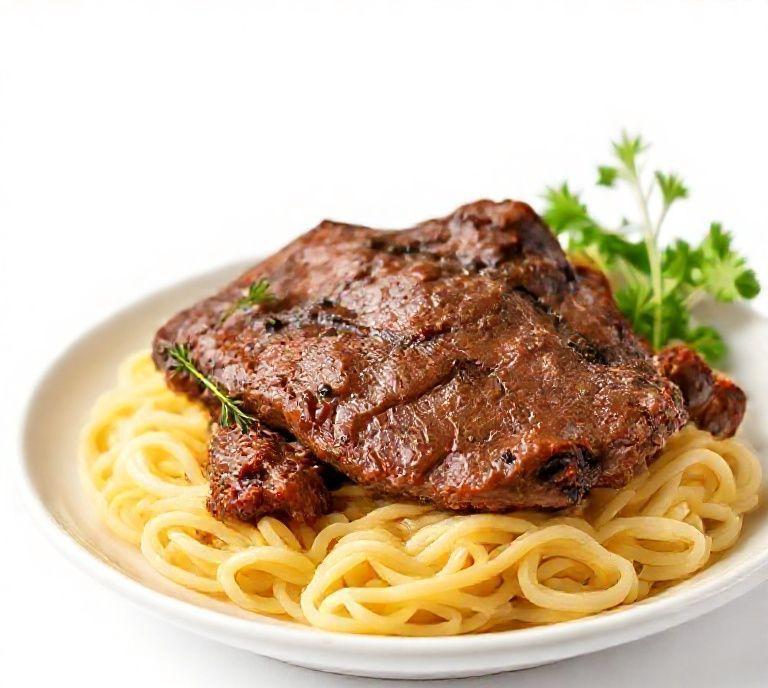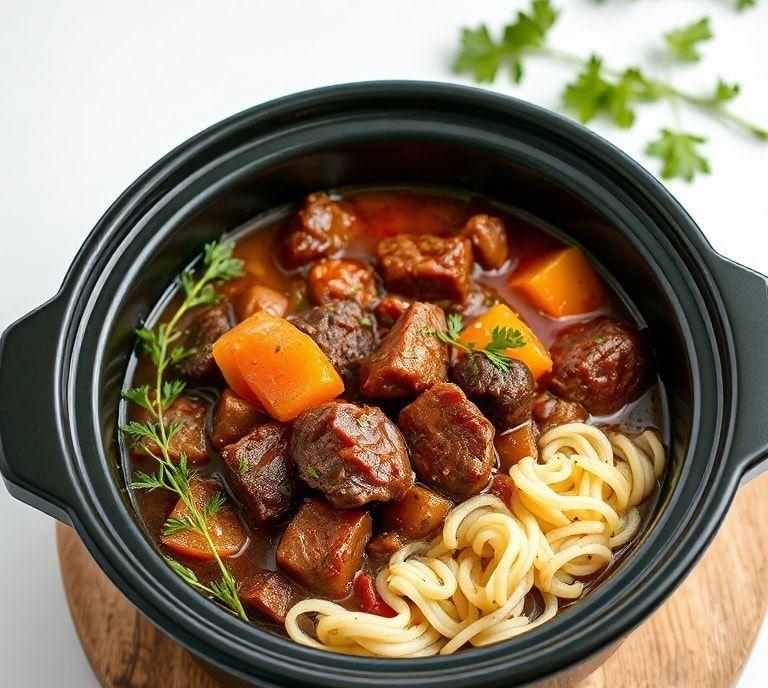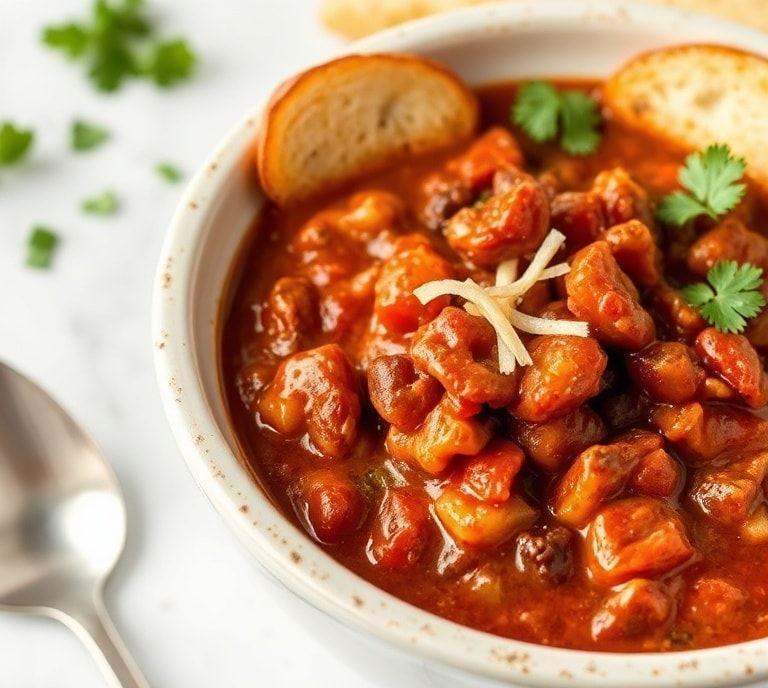
Italian Beef Slow Cooker Recipe (Guide)
Let me set the scene: it’s a chilly evening, the kind where you can practically see your breath, and all you want is something warm, hearty, and utterly satisfying for dinner. Enter the Italian Beef Slow Cooker recipe-a dish that’s become a staple for home cooks and food lovers alike. The beauty of this recipe is its simplicity paired with robust, bold flavors that will make your kitchen smell like an authentic Italian deli.
Picture this: thinly sliced beef, tender and juicy, soaking in a rich, garlicky, herb-filled broth, piled high on a crusty roll with a little bit of gooey melted cheese (if you’re feeling indulgent) and maybe a few sweet or spicy peppers. It’s comfort food elevated to a near-religious experience, and the slow cooker does all the hard work while you kick back, sip a glass of wine, or binge your favorite show.
By the time dinner rolls around, you’ll have something that tastes like it took hours of meticulous effort, when in reality, you just set it and forgot it. Let’s dive in!
Italian Beef Slow Cooker Recipe
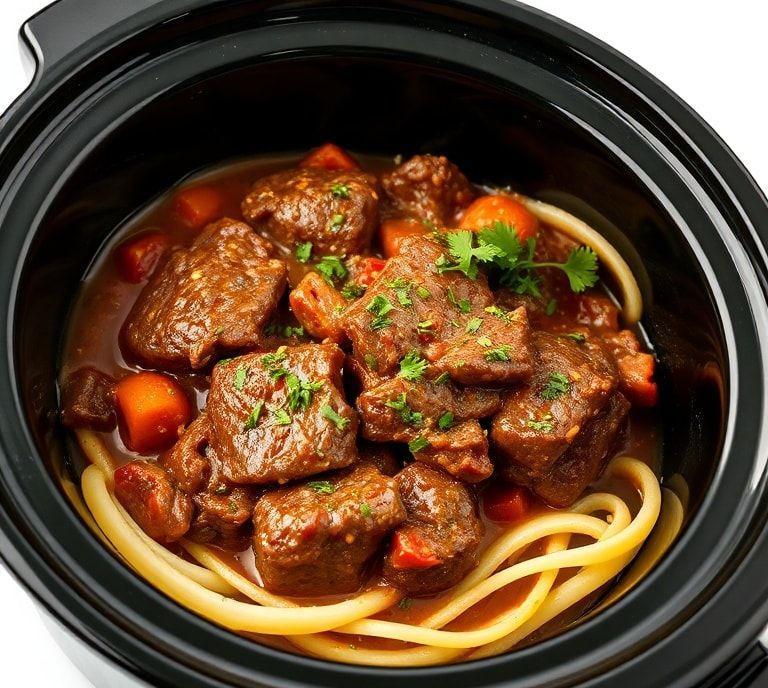
This isn’t just any slow-cooked beef dish-it’s the kind of recipe that makes people ask for seconds, even if they swore they were full. The beef comes out tender, infused with Italian herbs and spices, and has just enough juiciness to soak up rolls or pasta. It’s versatile, too, perfect for sandwiches, as a main dish with sides, or even tossed over a bed of creamy polenta.
Here’s how to make this masterpiece happen.
Ingredient List
Before we get messy with the slow cooker, let’s make sure we have everything on hand. This recipe balances savory, tangy, and slightly spicy flavors:
- Beef: 2-3 pounds of chuck roast or top round (the marbling is key for tenderness)
- Italian seasoning: 2 tablespoons (or a mix of oregano, basil, thyme, and rosemary)
- Garlic: 4-5 cloves, minced
- Onion: 1 large, thinly sliced
- Beef broth: 2 cups (for richness and depth)
- Worcestershire sauce: 2 tablespoons (adds umami and complexity)
- Red pepper flakes: ½ teaspoon (optional, for a gentle heat)
- Salt and black pepper: to taste
- Green or sweet peppers: 1-2, sliced (optional, for sweetness and color)
- Banana peppers or Giardiniera: for serving (adds tang and crunch)
- Crusty rolls or hoagie buns: for serving
Optional add-ons:
- Provolone or mozzarella cheese slices
- Fresh parsley for garnish
Instruction Guide
Here’s where the magic happens. Follow these steps carefully, but don’t worry-there’s plenty of room to relax while the slow cooker does its thing.
- Prep the beef: Pat your chuck roast dry, then season generously with salt, black pepper, and Italian seasoning. This initial step locks in flavor.
- Sear the beef (optional, but recommended): Heat a tablespoon of oil in a skillet over medium-high heat. Brown the beef on all sides-this caramelization adds depth to the final flavor.
- Layer the slow cooker: Place sliced onions and peppers at the bottom, then lay the beef on top. Sprinkle minced garlic over the beef.
- Add liquids: Pour in the beef broth and Worcestershire sauce. Add red pepper flakes if you like a subtle heat.
- Cook low and slow: Cover the slow cooker and cook on low for 8 hours or high for 4-5 hours, until the beef is fork-tender and shreds easily.
- Shred the beef: Using two forks, shred the beef directly in the slow cooker, mixing it with the juices and vegetables for maximum flavor.
- Serve: Pile the beef onto rolls, top with cheese if desired, and add banana peppers or Giardiniera. Ladle some cooking juices over the sandwich for a true Italian beef experience.
Ingredient Swaps
Don’t have exactly what’s on the list? No problem. Here are some swaps that work beautifully:
- Beef: Top sirloin or brisket can be used instead of chuck roast.
- Broth: Chicken broth or even a good vegetable stock can stand in for beef broth.
- Onion: Shallots or leeks can be used for a subtler flavor.
- Garlic: Garlic powder can replace fresh garlic in a pinch (1 tsp per clove).
- Herbs: Fresh herbs like thyme and rosemary can be used instead of dried Italian seasoning-just increase the quantity slightly.
- Spice: If you prefer heat, swap red pepper flakes for a finely chopped jalapeño.
Helpful Tips
Making the best Italian beef in a slow cooker isn’t rocket science, but a few tricks can elevate it from good to phenomenal:
- Sear for flavor: Skipping this step saves time, but searing gives a richer, caramelized taste.
- Low and slow wins: The longer you cook on low, the more tender and flavorful the beef will be.
- Juice it up: Don’t discard the liquid in the slow cooker-it’s pure gold for sandwiches or even drizzling over mashed potatoes.
- Shred carefully: Use two forks to shred meat while it’s hot for the perfect texture.
- Timing your sandwich assembly: Prepare rolls just before serving so they stay crisp and don’t get soggy.
Customization Ideas
Want to make this recipe uniquely yours? Try one of these ideas:
- Cheesy delight: Top shredded beef with provolone, mozzarella, or fontina and broil for a melted, gooey finish.
- Spicy twist: Add sliced hot peppers, chipotle in adobo, or more red pepper flakes for a kick.
- Veggie boost: Add mushrooms, carrots, or celery to the slow cooker for extra depth.
- Sandwich toppings: Pickled jalapeños, fresh basil, or arugula can add texture and freshness.
- Alternative serving: Serve over rice, pasta, or polenta for a cozy, fork-and-knife meal.
FAQs
What Cut Of Beef Is Best For A Slow Cooker Italian Beef Recipe?
The best cuts for a slow cooker Italian beef recipe are those that become tender when cooked slowly over several hours, such as chuck roast, brisket, or round roast. These cuts have enough marbling to keep the meat moist and flavorful during the long cooking process.
How Long Should I Cook Italian Beef In A Slow Cooker?
Cooking time depends on the slow cooker setting. On low, cook for 8 to 10 hours; on high, cook for 4 to 6 hours. The meat is done when it easily shreds with a fork.
Do I Need To Sear The Beef Before Slow Cooking?
Searing the beef before slow cooking is optional but recommended. Browning the meat on all sides enhances the flavor through the Maillard reaction and can create a richer, deeper taste in the finished dish.
What Vegetables Are Commonly Added To Italian Beef In A Slow Cooker?
Common vegetables include bell peppers, onions, and garlic. Some recipes also include carrots, celery, or mushrooms. These vegetables add flavor to the broth and complement the beef.
Can I Make Italian Beef In A Slow Cooker Without Added Broth?
Yes, but it is recommended to add at least some liquid such as beef broth, Italian dressing, or a combination of water and seasonings. This prevents the meat from drying out and helps create a flavorful cooking liquid for serving or sandwiches.
How Do I Make Italian Beef Spicy Or Mild?
For a spicy version, add sliced hot giardiniera, crushed red pepper, or hot Italian sausage to the slow cooker. For a mild version, omit the spicy ingredients and use mild peppers or sweet Italian seasoning.
Can I Prepare Italian Beef Ahead Of Time And Freeze It?
Yes, Italian beef freezes well. After cooking, let it cool, then store in airtight containers or freezer bags. It can be frozen for up to 3 months. Reheat gently in a slow cooker or on the stovetop to retain moisture.
What Is The Best Way To Serve Slow Cooker Italian Beef?
Italian beef is commonly served on hoagie rolls or sandwich buns, often topped with cooked peppers and onions. It can also be served over pasta, rice, or polenta. Leftover broth can be used as a dipping au jus.
How Can I Thicken The Sauce Or Jus In Italian Beef?
To thicken the sauce, remove the cooked beef and simmer the liquid on the stovetop. You can mix a small amount of cornstarch or flour with water to create a slurry, then stir it into the liquid until it reaches the desired consistency.
Are There Common Substitutions For Slow Cooker Italian Beef Recipes?
Yes. For liquid, you can substitute beef broth with chicken broth or water with Italian seasonings. For spices, dried Italian herbs can replace fresh ones. For a lower-fat option, leaner cuts of beef can be used, though cooking time may need adjustment.