Slow Cooked Vegetables Recipe (Guide)
Ah, slow-cooked vegetables-the unsung heroes of any kitchen. Imagine a cozy Sunday afternoon, the gentle hum of your slow cooker filling the room, and the smell of vegetables slowly caramelizing into sweet, savory perfection. There’s something almost magical about slow-cooking: it transforms ordinary vegetables into tender, flavor-packed bites that can steal the show as a side dish or even the main attraction.
Whether you’re a seasoned chef or just starting out, slow-cooked vegetables are incredibly forgiving. They allow flavors to meld, textures to soften, and aromas to intensify in a way that roasting or sautéing alone simply cannot achieve. Plus, they’re a fantastic way to boost your daily intake of vegetables without spending hours hovering over the stove.
Let’s dive deep into the art of slow-cooked vegetables. By the end of this guide, you’ll have all the tools, tips, and tricks to make vegetables that are bursting with flavor, perfectly tender, and utterly irresistible.
Slow Cooked Vegetables Recipe
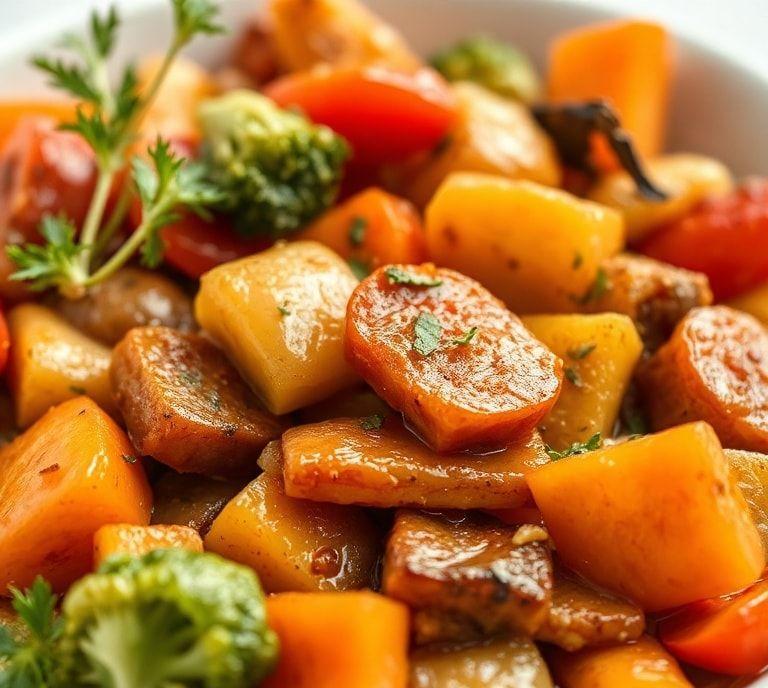
Slow-cooked vegetables are deceptively simple but wildly versatile. The beauty lies in the method: choose your favorite vegetables, add a touch of seasoning, and let slow, gentle heat work its magic. Over several hours, the vegetables release their natural sugars, creating layers of flavor and a tender, melt-in-your-mouth texture.
Think of it as culinary alchemy-turning humble, raw ingredients into a dish that tastes far more luxurious than the effort suggests. And the best part? You can set it and forget it.
Ingredient List
Here’s a classic foundation for slow-cooked vegetables, with enough flexibility to allow personalization:
-
Root Vegetables
- Carrots (2-3 medium, sliced)
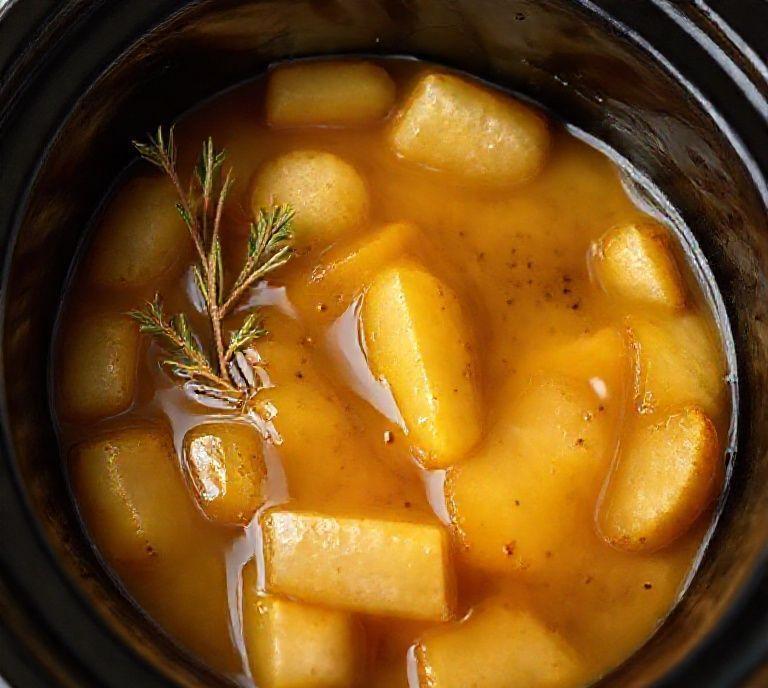
- Potatoes (2-3 medium, cubed)
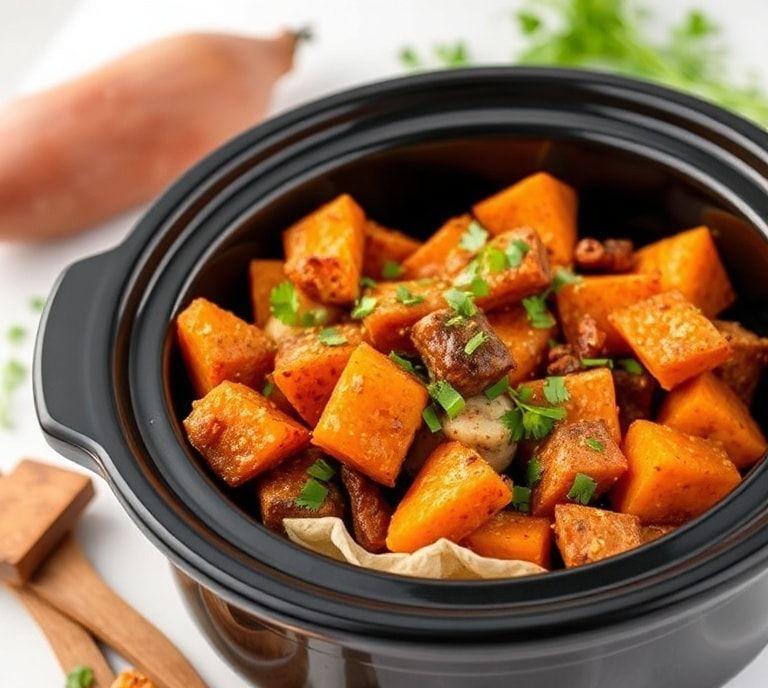
- Sweet potatoes (1-2, cubed)
-
Other Vegetables
- Bell peppers (any color, chopped)
- Zucchini or yellow squash (1-2, sliced)
- Onions (1 large, sliced)
- Garlic (3-4 cloves, minced)
-
Seasonings
- Olive oil (2-3 tablespoons)
- Salt and pepper (to taste)
- Herbs (rosemary, thyme, or oregano, fresh or dried)
- Optional: paprika, cumin, or chili flakes for a kick
-
Liquid For Slow Cooking
- Vegetable broth or water (½-1 cup, depending on your slow cooker size)
Instruction Guide
Here’s a step-by-step journey to creating slow-cooked vegetable magic:
- Prep your vegetables: Wash, peel (if needed), and cut vegetables into uniform pieces. Uniformity ensures even cooking.
- Layer in the slow cooker: Start with root vegetables at the bottom-they take longer to cook. Layer softer vegetables like zucchini and bell peppers on top.
- Season generously: Drizzle olive oil, sprinkle salt, pepper, and your choice of herbs over the vegetables. Toss gently to coat everything evenly.
- Add liquid: Pour in vegetable broth or water, just enough to cover the bottom of the slow cooker to prevent sticking.
- Set the cooker: Cover and cook on low for 6-8 hours or high for 3-4 hours. The longer, slower cook brings out more depth of flavor.
- Check doneness: Use a fork to test tenderness. Vegetables should be soft but not mushy. Adjust seasoning if needed.
- Serve: Spoon onto plates, sprinkle with fresh herbs, or drizzle with a touch of balsamic vinegar for extra flair.
Ingredient Swaps
Don’t like a particular vegetable or don’t have it on hand? No problem! Slow cooking is very forgiving. Here are some ideas:
- Instead of carrots: parsnips, turnips, or rutabaga
- Instead of potatoes: cauliflower, butternut squash, or pumpkin
- Instead of zucchini: eggplant or fennel
- Instead of bell peppers: cherry tomatoes or snap peas
- Instead of vegetable broth: chicken broth or a mix of water and a splash of white wine
Pro tip: Root vegetables generally need more time, while softer vegetables can be added later in the cooking process if you want to prevent them from getting too mushy.
Helpful Tips
- Cut evenly: Prevents overcooked and undercooked pieces.
- Layer wisely: Denser vegetables go at the bottom; delicate ones on top.
- Don’t overfill: Leave some space for steam circulation.
- Season in layers: Salt and herbs early, and adjust at the end.
- Use aromatics: Garlic, onions, leeks, or shallots can elevate flavor dramatically.
- Avoid lifting the lid too often: Every peek releases heat and slows the cooking process.
Customization Ideas
Take your slow-cooked vegetables to the next level:
- Mediterranean twist: Add olives, sun-dried tomatoes, and a sprinkle of feta at the end.
- Asian flair: Incorporate ginger, soy sauce, sesame oil, and finish with green onions.
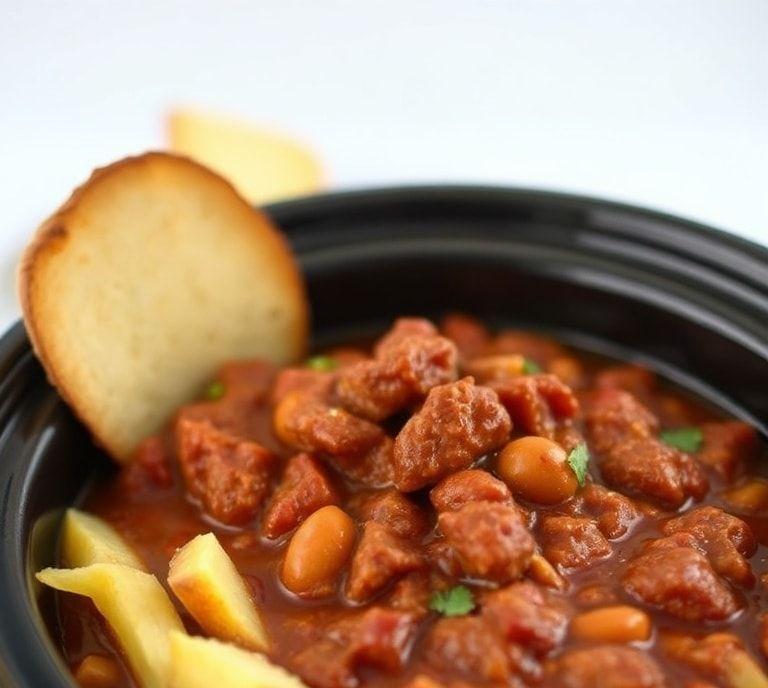
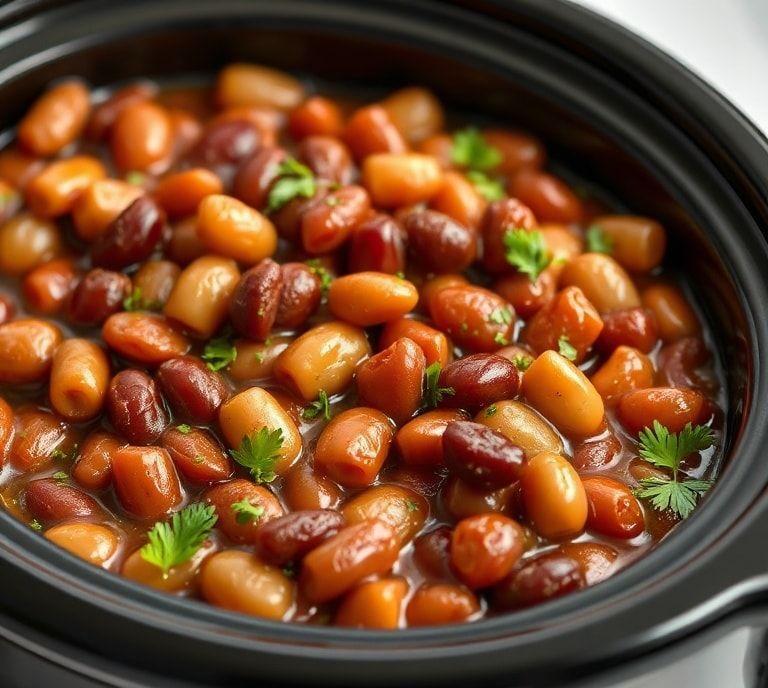
- Hearty stew: Mix with beans or lentils and top with fresh herbs for a filling one-pot meal.
- Sweet-savory: Toss in apple slices or dried cranberries for a subtle sweetness.
- Spicy kick: Add chili flakes, smoked paprika, or a dash of cayenne pepper.
FAQs
What Types Of Vegetables Are Best For Slow Cooking?
Root vegetables like carrots, potatoes, sweet potatoes, parsnips, and beets hold up well in slow cooking. Other firm vegetables like squash, cauliflower, and broccoli can also be used, though delicate greens like spinach or zucchini are better added near the end to avoid overcooking.
Do I Need To Peel Vegetables Before Slow Cooking?
It depends on the vegetable. Root vegetables such as carrots and potatoes can be peeled for a smoother texture, but leaving the skin on can add nutrients and texture. Non-root vegetables like peppers, zucchini, and broccoli generally do not require peeling.
How Long Should I Slow Cook Vegetables?
Cooking times vary depending on the type and size of vegetables. Typically, root vegetables take 6-8 hours on low heat or 3-4 hours on high in a slow cooker. Softer vegetables can take 2-3 hours on low or 1-2 hours on high.
Should I Add Liquid When Slow Cooking Vegetables?
Yes, adding a small amount of liquid helps prevent sticking and enhances flavor. You can use water, vegetable broth, or a combination of broth and herbs. Usually, 1/4 to 1/2 cup of liquid per 4 cups of vegetables is sufficient.
Can I Slow Cook Frozen Vegetables?
Frozen vegetables can be used, but they release more water than fresh vegetables, which can affect texture. It’s best to reduce added liquids slightly and adjust cooking time to prevent them from becoming mushy.
How Can I Season Slow Cooked Vegetables For Better Flavor?
Seasoning is crucial since slow cooking can sometimes dilute flavors. Use salt, pepper, garlic, onions, fresh or dried herbs like thyme, rosemary, or basil, and a splash of olive oil or balsamic vinegar for depth.
Can I Slow Cook Vegetables With Meat?
Yes, slow cooking vegetables with meat like chicken, beef, or pork is common. Denser vegetables such as carrots and potatoes should be placed at the bottom with meat on top for even cooking. Softer vegetables can be added later in the cooking process.
How Do I Prevent Vegetables From Turning Mushy In A Slow Cooker?
To avoid mushiness, cut vegetables into larger chunks, avoid overcooking, and add more delicate vegetables later in the cooking cycle. Also, be cautious with starchy vegetables like potatoes, which can break down faster.
Can I Make Slow Cooked Vegetables Ahead Of Time?
Yes, slow cooked vegetables can be prepared in advance. Store them in an airtight container in the refrigerator for up to 3-4 days. Reheat gently to preserve texture and flavor. Some vegetables can also be frozen for up to 2-3 months.
What Are Some Healthy Additions To Slow Cooked Vegetables?
Healthy additions include garlic, onions, herbs, spices, olive oil, tomatoes, legumes like chickpeas or lentils, and a splash of citrus juice for brightness. These enhance flavor and nutritional value without adding excessive calories or fat.