Vegetarian Slow Cooker Recipe (Guide)
Ah, the slow cooker. The magical kitchen gadget that turns a busy day into a delicious, home-cooked meal with minimal effort. There’s something incredibly satisfying about walking into your kitchen and being greeted by the warm aroma of a meal that practically cooked itself while you were at work, running errands, or even binge-watching your favorite show. Today, we’re diving into a vegetarian slow cooker recipe that’s not only hearty and wholesome but also packed with flavor and nutrients. Whether you’re a full-time vegetarian, a flexitarian, or just someone trying to sneak more veggies into your diet, this recipe is designed to be flexible, forgiving, and utterly satisfying.
We’ll cover everything from the ingredient list and step-by-step instructions to smart swaps and creative tweaks to make this dish your own. Let’s get cooking!
Vegetarian Slow Cooker Recipe
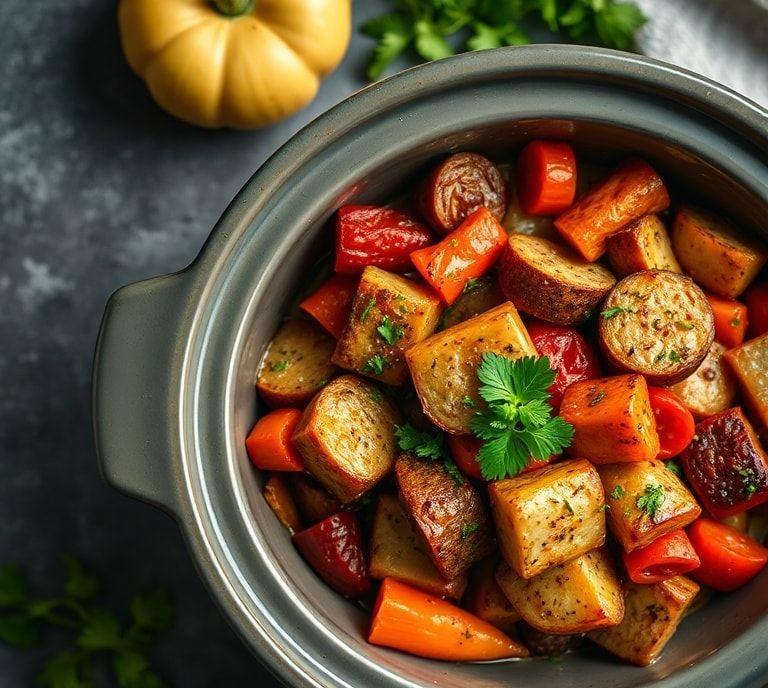
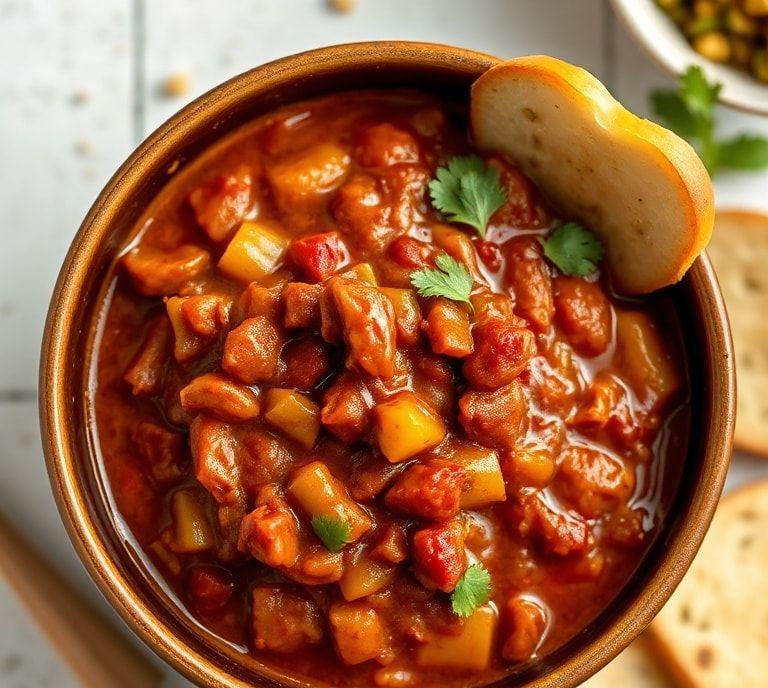
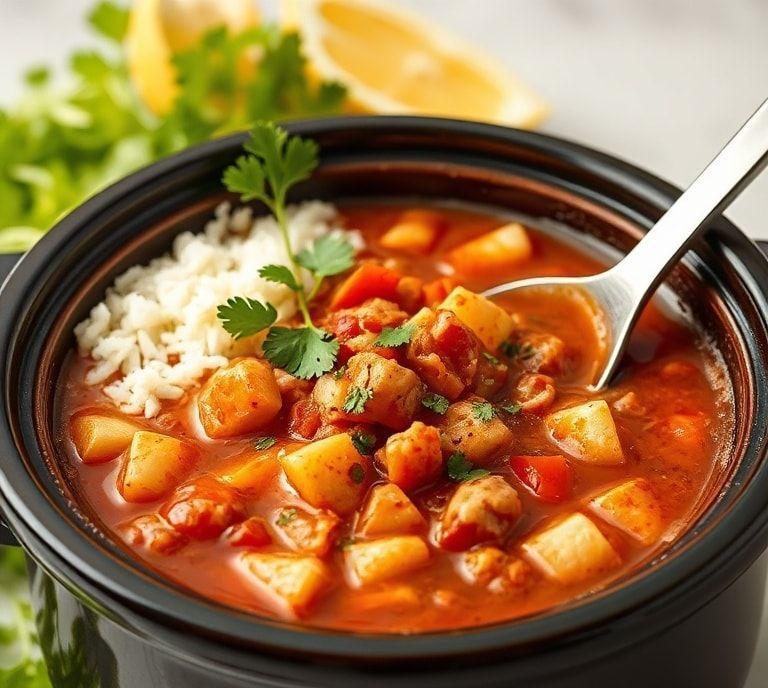
This recipe is a Slow Cooker Vegetable Stew with Lentils and Quinoa. Think of it as comfort food in a pot: rich, earthy, and warming, with layers of flavor that develop slowly over hours. The combination of vegetables, legumes, and grains makes it filling and protein-packed, so you won’t even notice the absence of meat. It’s perfect for meal prep, weeknight dinners, or cozy weekend cooking.
- Flavor profile: Savory, slightly sweet from carrots and bell peppers, umami-rich from mushrooms, with subtle earthy undertones from lentils and herbs.
- Texture: Creamy but hearty, with tender vegetables and chewy grains that hold their shape beautifully.
- Serving suggestions: Pair it with crusty bread, a dollop of yogurt, or a sprinkle of fresh herbs for an extra layer of freshness.
Ingredient List
Here’s what you’ll need for this recipe:
-
Vegetables
- 2 large carrots, diced
- 2 celery stalks, chopped
- 1 medium onion, diced
- 2 cloves garlic, minced
- 1 red bell pepper, chopped
- 1 cup mushrooms, sliced
- 1 zucchini, diced
-
Legumes & Grains
- 1 cup dried lentils (green or brown)
- ½ cup quinoa, rinsed
-
Liquids
- 4 cups vegetable broth
- 1 can (14 oz) diced tomatoes, with juice
-
Seasonings & Herbs
- 1 tsp smoked paprika
- 1 tsp cumin
- ½ tsp turmeric (optional, for color and warmth)
- 1 tsp dried thyme
- Salt and black pepper, to taste
- 2 tbsp olive oil or coconut oil
-
Optional Toppings
- Fresh parsley or cilantro, chopped
- Grated Parmesan or nutritional yeast
- Lemon wedges for a bright finish
Instruction Guide
Here’s how to bring all these ingredients together for a slow-cooked masterpiece:
-
Prep Your Vegetables
- Wash, peel, and chop all the vegetables into bite-sized pieces. The uniform size ensures even cooking.
- Mince garlic and set aside.
-
Sauté For Extra Flavor (optional But Recommended)
- Heat 2 tbsp olive oil in a skillet over medium heat.
- Add onions, garlic, carrots, and celery. Sauté for 5-7 minutes until slightly softened. This step boosts flavor but can be skipped if you’re in a hurry.
-
Combine In The Slow Cooker
- Transfer sautéed veggies to the slow cooker.
- Add bell peppers, zucchini, mushrooms, lentils, quinoa, diced tomatoes, and vegetable broth.
-
Season It
- Sprinkle in smoked paprika, cumin, turmeric, thyme, salt, and pepper.
- Give everything a gentle stir to distribute the spices evenly.
-
Cook Low And Slow
- Set the slow cooker on low for 6-8 hours or high for 3-4 hours.
- The longer it cooks, the more the flavors meld together, creating a rich and savory stew.
-
Finishing Touches
- Taste and adjust seasoning if needed.
- Add a splash of lemon juice or a sprinkle of fresh herbs for brightness.
- Serve warm with bread, rice, or as-is for a hearty bowl.
Ingredient Swaps
This recipe is incredibly versatile. Don’t have certain ingredients? No problem. Here are some smart swaps:
-
Vegetables
- Swap zucchini for yellow squash or eggplant.
- Use sweet potatoes instead of carrots for a sweeter, heartier stew.
- Kale or spinach can replace or complement zucchini for more greens.
-
Legumes & Grains
- Brown rice or barley can substitute quinoa.
- Chickpeas or black beans can replace lentils.
-
Flavor Adjustments
- Smoked paprika can be swapped with regular paprika and a pinch of cayenne for heat.
- Thyme can be replaced with rosemary or oregano.
-
Broth
- Vegetable broth can be swapped with mushroom broth or water plus bouillon cubes.
Helpful Tips
- Layer flavors: Sautéing vegetables first develops deeper flavor than throwing everything raw into the slow cooker.
- Don’t overfill: Fill the slow cooker no more than 2/3 full to ensure even cooking.
- Check liquid levels: Lentils and quinoa absorb a lot of liquid, so keep extra broth or water nearby if you prefer a soupier consistency.
- Prep ahead: Chop vegetables the night before to make morning assembly a breeze.
- Storage: This stew stores well in the fridge for 4-5 days and freezes beautifully for up to 3 months.
Customization Ideas
- Spicy twist: Add ½ tsp chili flakes or a splash of hot sauce.
- Creamy version: Stir in coconut milk or cashew cream 30 minutes before serving.
- Protein boost: Toss in cubed tofu or tempeh for extra protein.
- Herb-forward: Fresh basil, dill, or cilantro can completely transform the flavor profile.
- Texture variation: Add cooked pasta or gnocchi in the last 30 minutes for a stew-meets-pasta experience.
FAQs
What Is A Vegetarian Slow Cooker Recipe?
A vegetarian slow cooker recipe is a meal prepared in a slow cooker or crockpot that contains no meat, poultry, or fish. These recipes often rely on vegetables, legumes, grains, tofu, or plant-based proteins to provide flavor, texture, and nutrition.
What Are The Benefits Of Using A Slow Cooker For Vegetarian Meals?
Slow cookers allow for hands-off cooking, which helps develop deep flavors over several hours without constant attention. For vegetarian meals, they make it easier to soften tougher vegetables and legumes, blend spices and seasonings evenly, and retain nutrients due to low and consistent heat.
Which Vegetables Are Best Suited For Slow Cooking?
Root vegetables like carrots, potatoes, sweet potatoes, and parsnips, as well as squash, bell peppers, onions, and mushrooms, are well-suited for slow cooking because they hold their shape and absorb flavors over long cooking periods.
Can I Add Grains Like Rice Or Quinoa To Slow Cooker Vegetarian Recipes?
Yes, grains like rice, quinoa, barley, or farro can be added to slow cooker vegetarian recipes. However, timing is important: some grains cook faster than others, so they may need to be added in the last 30-60 minutes of cooking to avoid becoming mushy.
Do Vegetarian Slow Cooker Recipes Require Pre-soaking Of Beans?
For dried beans, pre-soaking is generally recommended to reduce cooking time and improve digestibility. Some recipes may use canned beans to simplify preparation and reduce cooking time, eliminating the need for soaking.
How Can I Ensure My Slow Cooker Vegetarian Dishes Are Flavorful?
Using a variety of herbs, spices, aromatics like garlic and onion, and umami-rich ingredients like soy sauce, miso, or nutritional yeast can enhance flavor. Layering ingredients strategically, with denser vegetables at the bottom and lighter ones on top, also helps distribute flavors evenly.
Can I Freeze Slow Cooker Vegetarian Meals?
Yes, many vegetarian slow cooker dishes freeze well. Allow the meal to cool completely, then store it in airtight containers or freezer bags. Avoid freezing recipes containing dairy, as texture may change upon thawing; dairy can be added fresh when reheating.
How Do I Adjust Slow Cooker Vegetarian Recipes For Different Serving Sizes?
Slow cooker recipes can generally be scaled up or down proportionally. However, cooking time may need adjustment: smaller quantities may cook faster, while larger quantities may require slightly more time. Avoid overfilling the slow cooker, as it can affect heat circulation.
Are Vegetarian Slow Cooker Recipes Healthy?
Yes, they can be very healthy, especially when made with fresh vegetables, legumes, whole grains, and minimal added fats or sodium. Slow cooking preserves nutrients better than high-heat methods and encourages the use of natural flavors rather than processed ingredients.
Can I Convert My Favorite Non-vegetarian Slow Cooker Recipes Into Vegetarian Ones?
Absolutely. Replace meat with plant-based proteins like tofu, tempeh, beans, or lentils. Adjust cooking times for these ingredients, as they often require less time than meat, and enhance flavor using vegetable stock, herbs, and umami-rich seasonings.