Rib Roast Slow Cooker Recipe (Guide)
Let’s talk about rib roast. That glorious, marbled cut of beef that practically whispers your name from the fridge. Usually reserved for fancy dinners or holiday spreads, rib roast has a reputation for being intimidating-but here’s the good news: with a slow cooker, you don’t need to be a culinary wizard to pull off a succulent, melt-in-your-mouth roast. Imagine the aroma filling your kitchen all day, the meat slowly tenderizing until it practically falls apart at the touch of a fork, and the rich, savory juices pooling beneath it. Slow cooking transforms this luxurious cut into comfort food perfection, turning an intimidating roast into an easy, hands-off, and incredibly rewarding meal.
This guide is all about making your rib roast experience effortless yet gourmet, giving you a foolproof recipe, creative ingredient swaps, tips for maximum flavor, and ideas to customize it to your heart’s content.
Rib Roast Slow Cooker Recipe
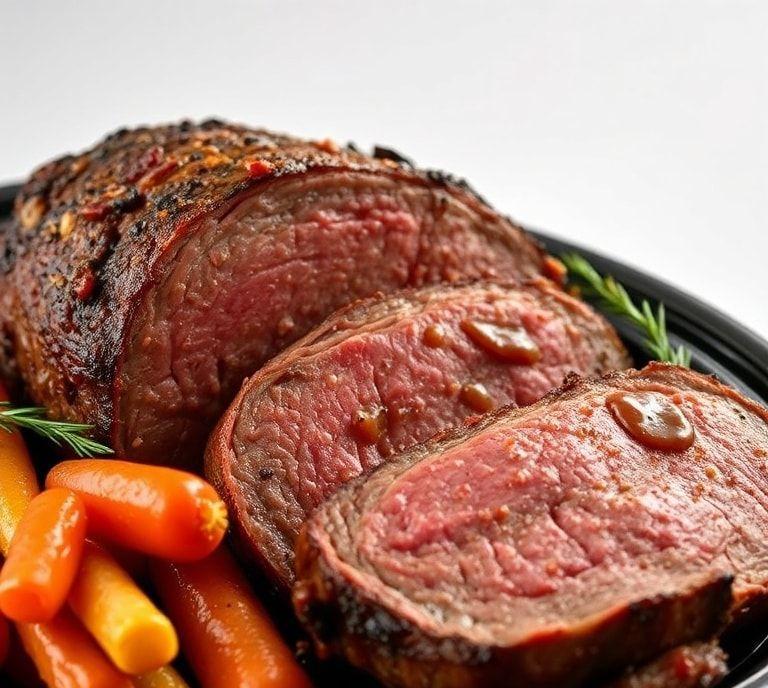
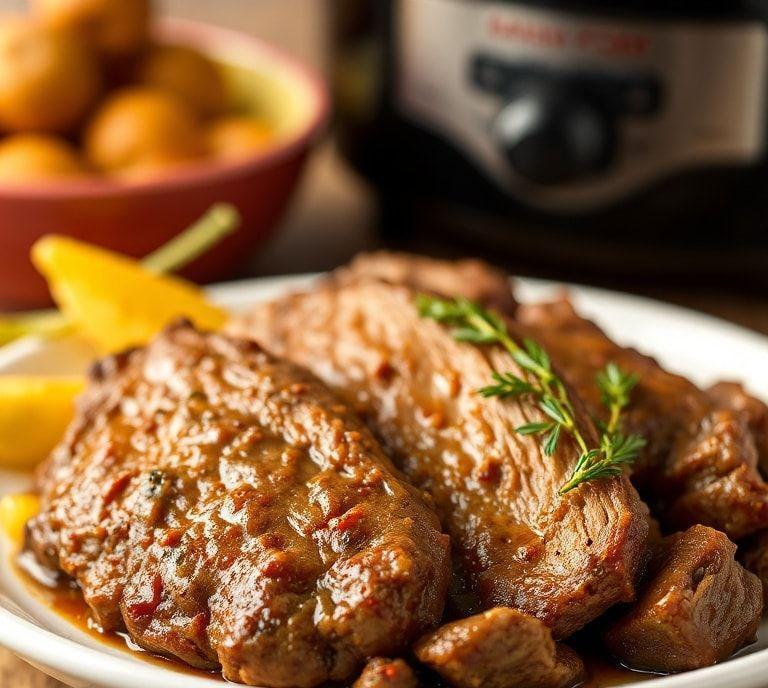
A slow cooker rib roast is like having a personal chef who knows exactly how you like your beef. Low and slow is the name of the game here, which results in a roast that is tender, juicy, and bursting with flavor. While traditional oven roasting can dry out the edges if not watched carefully, a slow cooker maintains an even heat, letting every muscle fiber soak in the seasonings and natural beef juices.
Ingredient List
To make this rib roast truly shine, here’s what you’ll need:
- Rib roast: 3-5 pounds, preferably bone-in for extra flavor
- Salt and pepper: Generous amounts; these are your flavor base
- Garlic: 4-6 cloves, minced or smashed for aromatic punch
- Onion: 1 large, sliced thickly to form a flavor bed
- Carrots: 2-3 medium, cut into large chunks
- Celery: 2 stalks, roughly chopped
- Beef broth or stock: 1 cup, to keep the roast moist
- Olive oil or butter: 2 tablespoons, to sear the meat before slow cooking
- Fresh herbs: Rosemary, thyme, and parsley-about 1-2 tablespoons each, finely chopped
- Optional flavor boosters: A splash of red wine or balsamic vinegar, Dijon mustard, or a sprinkle of smoked paprika
This combination ensures the roast is seasoned deeply, infused with aromatic vegetables, and surrounded by a rich, flavorful cooking liquid.
Instruction Guide
Here’s where the magic happens. Follow these steps carefully, and you’ll have a restaurant-quality rib roast without the stress:
-
Prep The Meat
- Pat the rib roast dry with paper towels. This ensures a beautiful sear.
- Season generously with salt and pepper on all sides.
-
Sear For Flavor
- Heat olive oil or butter in a skillet over medium-high heat.
- Sear the rib roast for 3-4 minutes per side, until golden brown. Don’t skip this step-it locks in flavor.
-
Prepare The Slow Cooker Bed
- Layer sliced onions, carrots, and celery at the bottom of the slow cooker.
- Sprinkle some herbs over the vegetables.
-
Add The Roast And Liquid
- Place the seared roast on top of the vegetables.
- Pour in beef broth (and optional wine or balsamic if desired).
- Scatter remaining herbs and garlic around the roast.
-
Slow Cook
- Cover and cook on low for 6-8 hours, or until internal temperature reaches 130-135°F for medium-rare, or 140-145°F for medium.
- Resist the urge to lift the lid frequently; this keeps the heat and moisture consistent.
-
Rest The Roast
- Carefully remove the roast and let it rest for 15-20 minutes before slicing.
- Resting allows juices to redistribute, keeping the meat moist.
-
Serve
- Slice against the grain and serve with the vegetables and pan juices.
Ingredient Swaps
Flexibility is the name of the game with slow cooking. If you’re out of certain ingredients, you can still create an amazing meal:
- Beef broth substitute: Chicken or vegetable broth, or even water with a splash of soy sauce for umami
- Garlic alternative: Garlic powder or roasted garlic paste
- Herbs: Swap fresh for dried (reduce quantity by half), or try oregano, sage, or marjoram
- Vegetables: Potatoes, parsnips, or turnips work well in place of carrots and celery
- Olive oil: Any neutral oil, or even a little bacon fat for a smoky twist
Helpful Tips
These little nuggets of wisdom will make your slow-cooked rib roast even better:
- Searing is essential for flavor and appearance. Don’t skip it.
- Low and slow = tenderness; resist high-heat shortcuts.
- Check internal temp with a thermometer rather than guessing.
- Vegetable bed prevents the roast from sitting in liquid, keeping it tender, not soggy.
- Strain pan juices and reduce slightly for a rich gravy.
Customization Ideas
Make this rib roast your own culinary masterpiece with a few creative twists:
- Herb crust: Mix rosemary, thyme, garlic, and breadcrumbs, and apply to the roast before searing.
- Spicy kick: Rub the roast with smoked paprika, cayenne, or chili powder for a warming heat.
- Sweet-savory twist: Add a splash of maple syrup or honey to the cooking liquid for caramelized undertones.
- Wine infusion: Replace part of the broth with red wine for a deeper, richer flavor.
- Asian-inspired: Soy sauce, ginger, and a hint of sesame oil can turn this into a fusion delight.
FAQs
What Is The Best Cut Of Rib Roast For Slow Cooking?
The best cut for a slow cooker rib roast is usually a bone-in prime rib roast or a boneless rib roast. Bone-in cuts tend to have more flavor, but both options work well for slow cooking. For a more tender result, opt for a boneless roast, while bone-in provides extra flavor and texture.
Do I Need To Sear The Rib Roast Before Slow Cooking?
While searing the rib roast before slow cooking is optional, it helps to develop a rich, caramelized crust, which enhances the flavor. Searing the roast in a hot skillet for 2-3 minutes per side is recommended, but if you’re short on time, you can skip this step.
How Long Should I Cook A Rib Roast In A Slow Cooker?
Cooking times for a rib roast in a slow cooker typically range from 4-6 hours on low heat or 2-3 hours on high heat, depending on the size and thickness of the roast. For best results, use a meat thermometer to ensure the roast reaches your desired doneness.
What Temperature Should The Rib Roast Reach When Cooked In The Slow Cooker?
For a medium-rare rib roast, aim for an internal temperature of 130-135°F (54-57°C). For medium, cook until it reaches 140-145°F (60-63°C). Remember that the roast will continue to cook slightly after it’s removed from the slow cooker due to residual heat.
Can I Add Vegetables To The Slow Cooker With The Rib Roast?
Yes, adding vegetables like carrots, onions, potatoes, and celery is a great way to create a complete meal. Place them at the bottom of the slow cooker, as they take longer to cook than the roast. The vegetables will absorb the flavorful juices from the meat.
Should I Add Liquid To The Slow Cooker When Cooking Rib Roast?
While a rib roast releases some of its own juices during cooking, adding a small amount of liquid, such as beef broth, red wine, or water, helps prevent the roast from drying out and enhances flavor. Typically, 1 to 1.5 cups of liquid is sufficient.
Can I Cook A Frozen Rib Roast In A Slow Cooker?
It is not recommended to cook a frozen rib roast in a slow cooker, as the slow cooking process may allow the meat to sit at unsafe temperatures for too long, increasing the risk of bacterial growth. It’s best to thaw the roast in the refrigerator before cooking.
How Do I Get A Crispy Crust On My Rib Roast When Using A Slow Cooker?
To achieve a crispy crust, you can finish the rib roast in a hot oven after it’s done cooking in the slow cooker. Preheat your oven to 450°F (232°C) and roast the rib for an additional 10-15 minutes to develop a crispy, browned exterior.
What Are Some Seasoning Options For A Rib Roast In The Slow Cooker?
A simple seasoning blend for rib roast includes salt, pepper, garlic powder, and rosemary. You can also use a dry rub of brown sugar, paprika, thyme, and crushed red pepper flakes. For extra flavor, marinate the roast with herbs and garlic overnight before slow cooking.
Can I Use A Slow Cooker To Make Rib Roast For A Crowd?
Yes, a slow cooker can be a great way to cook a rib roast for a crowd. Just be sure your slow cooker is large enough to accommodate the roast (8-10 pounds or more), and consider cooking two smaller roasts if necessary. Double the seasoning and liquid amounts for larger roasts.