Beef Rib Roast Slow Cooker Recipe (Guide)
If you’ve ever dreamed of walking into your kitchen to the irresistible aroma of a perfectly cooked beef rib roast, you’re in for a treat. There’s something magical about a slow cooker turning a tough, flavor-packed cut of beef into a tender, juicy masterpiece without you having to hover over the stovetop or oven. A slow-cooked beef rib roast is the ultimate comfort food-perfect for cozy family dinners, special occasions, or even an impressive holiday centerpiece.
Unlike the traditional oven-roasted method, the slow cooker allows the meat to braise gently in its own juices, ensuring every bite melts in your mouth. And don’t worry about complicated techniques-this recipe is designed to be beginner-friendly while still feeling gourmet. By the end, you’ll feel like a professional chef who’s cracked the code on melt-in-your-mouth beef perfection.
Beef Rib Roast Slow Cooker Recipe
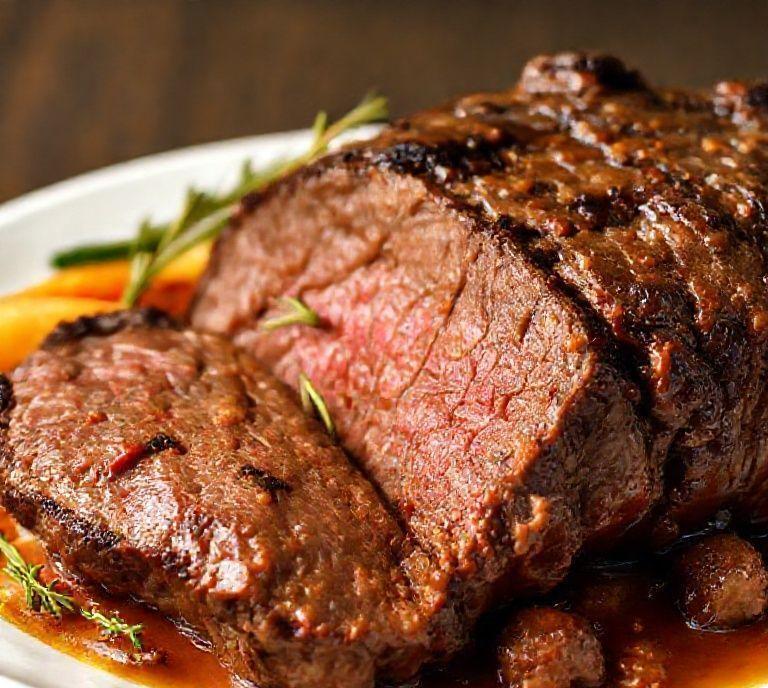
This slow cooker beef rib roast recipe is all about patience, flavor, and simplicity. The beauty of this method is that the low and slow cooking process transforms even a slightly tougher cut into an incredibly tender, juicy dish. Here’s a peek at what makes this recipe so irresistible:
- Rich, beefy flavor enhanced by aromatic herbs and spices.
- Perfectly browned exterior that seals in juices.
- Juicy, tender interior that slices effortlessly.
- Minimal hands-on time-you can let the slow cooker do the work while you go about your day.
Whether you’re serving it with creamy mashed potatoes, roasted vegetables, or a fresh, crisp salad, this rib roast will instantly elevate any meal.
Ingredient List
Here’s a breakdown of what you’ll need. I’ll also give you some notes to make shopping and prep easier:
- Beef rib roast – 3 to 5 pounds, bone-in or boneless (bone-in adds extra flavor).
- Olive oil – 2 to 3 tablespoons, for browning.
- Garlic cloves – 4 to 6, minced, for that aromatic punch.
- Fresh rosemary – 2 sprigs, finely chopped, for a fragrant herbal note.
- Fresh thyme – 2 sprigs, or 1 teaspoon dried thyme.
- Onion – 1 large, sliced, acts as a flavor base.
- Beef broth – 1 cup, the liquid that keeps the roast moist.
- Red wine (optional) – ½ cup, adds depth and richness.
- Salt and black pepper – Generous amounts to season and enhance natural flavors.
- Vegetables (optional) – Carrots, potatoes, and celery work beautifully.
These ingredients are simple, pantry-friendly, and combine to create a luxurious, slow-cooked roast that tastes far more complicated than it really is.
Instruction Guide
Here’s a step-by-step approach to achieving slow-cooked beef perfection:
-
Prep The Beef
- Pat the roast dry with paper towels-this ensures proper browning.
- Season generously with salt, pepper, minced garlic, and chopped herbs.
-
Sear For Flavor (optional But Recommended)
- Heat olive oil in a skillet over medium-high heat.
- Brown the roast on all sides for 3-4 minutes per side. This locks in flavor and juices.
-
Prepare The Slow Cooker
- Place sliced onions at the bottom of the slow cooker.
- If using vegetables, layer them around the roast.
-
Add Liquids
- Pour beef broth and optional red wine over the roast.
-
Slow Cook
- Cover and cook on low for 6-8 hours or high for 4-5 hours.
- Check for doneness: the meat should reach an internal temperature of 135°F for medium-rare, or 145°F for medium.
-
Rest Before Slicing
- Let the roast rest for at least 15 minutes to retain juices.
- Slice against the grain for tender, melt-in-your-mouth pieces.
Ingredient Swaps
Sometimes you need flexibility. Here’s how you can swap ingredients without compromising flavor:
- Beef broth: Use chicken broth or vegetable stock if needed.
- Red wine: Substitute with grape juice, cranberry juice, or additional beef broth.
- Herbs: Oregano, sage, or marjoram can replace rosemary and thyme.
- Garlic: Garlic powder works in a pinch-about 1 teaspoon per clove.
- Vegetables: Sweet potatoes, parsnips, or turnips work as alternatives to traditional root vegetables.
These swaps allow you to adapt the recipe based on what’s available or personal dietary preferences.
Helpful Tips
To make your slow cooker beef rib roast truly unforgettable, keep these tips in mind:
- Searing is worth it: Even though it adds a little extra step, searing enhances flavor and color dramatically.
- Use a meat thermometer: Slow cookers can vary in temperature, so checking internal doneness ensures perfect results.
- Layer flavors: Onions, garlic, and herbs at the base of the slow cooker infuse the meat with subtle complexity.
- Avoid overcooking vegetables: Add delicate vegetables like green beans or peas in the last 30 minutes of cooking.
- Make gravy: Use the pan juices, skim fat, and add a bit of cornstarch or flour for a rich, homemade gravy.
Customization Ideas
Take this recipe to the next level by tailoring it to your tastes:
- Spicy twist: Add crushed red pepper flakes or smoked paprika.
- Asian-inspired: Use soy sauce, ginger, and sesame oil instead of traditional herbs.
- Herb-heavy: Mix in parsley, tarragon, or basil for a fragrant bouquet.
- Wine-forward: Increase red wine and add a splash of balsamic vinegar for depth.
- Vegetarian sides: Surround with mushrooms, bell peppers, or squash for extra layers of flavor.
Customizing allows the roast to reflect your culinary personality while keeping the base recipe foolproof.
FAQs
What Is The Best Cut Of Beef Rib Roast For Slow Cooking?
For slow cooking, choose a well-marbled rib roast such as a bone-in prime rib or a standing rib roast. The marbling ensures the meat remains tender and flavorful after several hours of slow cooking.
How Long Should I Cook A Beef Rib Roast In A Slow Cooker?
Cooking time varies depending on the size of the roast and your slow cooker. Generally, cook on low for 6-8 hours or on high for 4-5 hours, until the internal temperature reaches your desired doneness (e.g., 130-135°F for medium-rare).
Should I Sear The Beef Rib Roast Before Slow Cooking?
Searing the roast in a hot pan before adding it to the slow cooker is recommended. This step enhances the flavor by creating a caramelized crust and helps retain juices during slow cooking.
What Liquids Can I Use In A Slow Cooker Rib Roast Recipe?
Common liquids include beef broth, red wine, a combination of broth and wine, or even a mixture of broth with herbs and aromatics. The liquid prevents the meat from drying out and contributes to a rich, flavorful gravy.
Do I Need To Add Vegetables To The Slow Cooker?
Vegetables such as carrots, onions, celery, and potatoes can be added. They not only absorb flavors from the roast but also serve as a natural side dish. Place them at the bottom of the slow cooker to allow even cooking.
How Do I Ensure The Beef Rib Roast Stays Tender?
Cook on low heat for a longer period and avoid lifting the lid frequently, as slow cookers lose heat when opened. Additionally, ensure the roast is partially submerged in liquid or placed on a bed of vegetables to maintain moisture.
Can I Cook A Frozen Beef Rib Roast In A Slow Cooker?
It is not recommended to cook frozen meat in a slow cooker, as it may stay in the unsafe temperature range too long. Always thaw the roast completely in the refrigerator before slow cooking.
How Do I Make A Gravy From The Slow Cooker Drippings?
Remove the roast and vegetables, then strain the remaining liquid. Heat it on the stovetop, and thicken with a mixture of cornstarch or flour and water until the desired consistency is reached. Season with salt, pepper, or additional herbs as needed.
What Internal Temperature Should I Aim For?
For medium-rare, remove the roast at 130-135°F; medium at 140-145°F; medium-well at 150-155°F. Let the roast rest for 15-20 minutes after cooking to allow juices to redistribute.
Can I Use A Slow Cooker To Reheat Leftover Rib Roast?
Yes, place sliced or whole leftover rib roast in the slow cooker with a small amount of broth or pan juices. Heat on low for 1-2 hours until warmed through, taking care not to overcook and dry out the meat.