Pulled Pork Vinegar Slow Cooker Recipe (Guide)
Alright, let’s talk about one of the ultimate comfort foods that’s as versatile as it is delicious: pulled pork. Now, we’re not just talking any pulled pork-we’re diving into the tangy, finger-licking world of vinegar-based pulled pork, slow-cooked to perfection. This style, inspired by classic Southern barbecue traditions, is beloved for its sharp, zesty kick that cuts through the richness of the meat, giving you a dish that’s juicy, tender, and impossibly flavorful.
Imagine this: a tender pork shoulder, slow-cooked until it practically melts in your mouth, infused with a tangy vinegar marinade that dances on your taste buds. The beauty of the slow cooker is that it does all the heavy lifting while you go about your day-no fuss, no stress, just pure culinary magic waiting at the end. Whether you’re planning a cozy family dinner, prepping for a weekend gathering, or simply craving a hearty, satisfying meal, this pulled pork recipe is your ticket to flavor town.
Pulled Pork Vinegar Slow Cooker Recipe
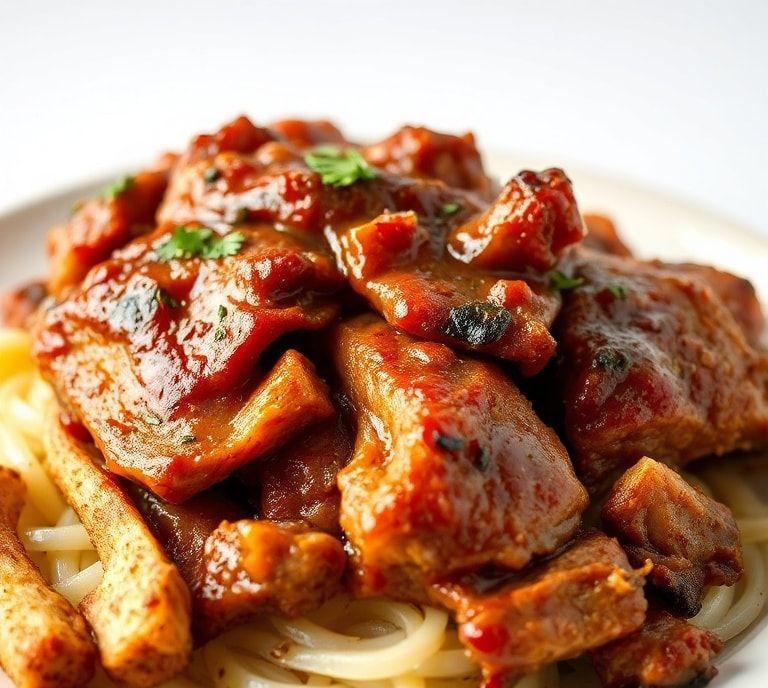
This recipe is all about simplicity meeting incredible flavor. With a few staple ingredients and a trusty slow cooker, you’ll have a meal that tastes like it’s been simmering for hours in a traditional barbecue pit. The vinegar not only adds tang but also helps tenderize the pork, making each shred juicy and flavorful.
Here’s everything you need to know to make this recipe a success every single time.
Ingredient List
Before we dive into the “how-to”, let’s make sure you’ve got all the essentials lined up. This is a pretty classic vinegar-based pulled pork lineup:
- Pork Shoulder (aka Pork Butt) – 3-4 lbs, bone-in or boneless, preferably with some fat for extra juiciness.
- Apple Cider Vinegar – 1 cup, the star ingredient that adds tang and tenderizes the meat.
- Brown Sugar – 1/4 cup, balances the acidity of the vinegar with a subtle sweetness.
- Paprika – 1 tablespoon, adds smoky depth and color.
- Salt – 2 teaspoons, enhances all the flavors.
- Black Pepper – 1 teaspoon, freshly ground if possible.
- Red Pepper Flakes – 1/2 teaspoon, optional, for a little kick.
- Garlic Powder – 1 teaspoon, adds savory warmth.
- Onion Powder – 1 teaspoon, complements the garlic perfectly.
- Water or Broth – 1/2 cup, to keep the pork moist while cooking.
Optional but highly recommended:
- Hot Sauce – a few dashes if you like things spicy.
- Worcestershire Sauce – 1 teaspoon for a subtle umami boost.
Instruction Guide
Alright, here’s where the magic happens. Follow these steps, and you’ll have a pulled pork masterpiece in no time:
-
Prep The Pork
- Trim any excessively thick fat from the pork shoulder but leave some for flavor.
- Pat the pork dry with paper towels to help the seasoning stick.
-
Mix The Seasoning
- In a small bowl, combine paprika, salt, black pepper, garlic powder, onion powder, and red pepper flakes.
- Rub this mixture all over the pork shoulder generously.
-
Set Up The Slow Cooker
- Place the pork in the slow cooker.
- Pour apple cider vinegar and water (or broth) around the pork. You don’t need to submerge it completely; just enough to create a flavorful cooking liquid.
-
Cook Low And Slow
- Cover and cook on low for 8-10 hours or high for 5-6 hours.
- The pork is ready when it’s fork-tender and easily shreds.
-
Shred The Pork
- Transfer the pork to a cutting board.
- Use two forks to pull the meat apart into shreds.
- Mix the shredded pork with the juices in the slow cooker to keep it moist.
-
Serve
- Serve hot on buns, tacos, or over rice.
- Don’t forget extra vinegar sauce on the side for that signature tangy punch!
Ingredient Swaps
Sometimes, you might not have exactly what the recipe calls for, or you want to tweak it a bit. Here are some smart swaps:
- Pork Shoulder: Pork loin or even a pork tenderloin can work, but expect slightly leaner meat.
- Apple Cider Vinegar: White vinegar, rice vinegar, or even a mix of vinegar and lemon juice can do the trick.
- Brown Sugar: Honey, maple syrup, or coconut sugar are great alternatives for natural sweetness.
- Paprika: Smoked paprika adds extra depth, while chili powder can give a slightly different flavor profile.
- Water or Broth: Chicken or vegetable broth can enhance the flavor more than water alone.
Helpful Tips
To make sure your pulled pork turns out perfectly every time, consider these tips:
- Don’t rush it: Slow cooking is key. Low and slow yields tender, juicy meat.
- Keep it moist: Always cook with some liquid-vinegar, broth, or a combination.
- Taste as you go: The vinegar tang can be strong, so adjust with a little sugar or extra hot sauce if needed.
- Use a meat thermometer: Internal temperature should reach around 195-205°F for easy shredding.
- Let it rest: Allow the meat to sit for 10-15 minutes after shredding to let juices redistribute.
Customization Ideas
Pulled pork is incredibly versatile. Here are a few ways to make it your own:
- Barbecue Style: Add a smoky BBQ sauce after shredding for a richer, saucier finish.
- Spicy Kick: Mix in cayenne pepper or hot sauce for a fiery twist.
- Sweet & Tangy: Add a splash of apple juice or pineapple juice to the cooking liquid for a subtle sweetness.
- Tex-Mex Flair: Toss shredded pork with taco seasoning and serve in tortillas with fresh salsa.
- Southern Classic: Serve with coleslaw and pickles for that authentic Southern sandwich experience.
FAQs
What Cut Of Pork Is Best For A Vinegar-based Slow Cooker Pulled Pork?
The best cut is pork shoulder, also known as pork butt or Boston butt. It has sufficient marbling and connective tissue, which breaks down during slow cooking to create tender, flavorful pulled pork.
What Type Of Vinegar Should I Use In This Recipe?
Apple cider vinegar is the most commonly recommended for pulled pork. Its mild acidity complements the pork without overpowering the flavor. Some recipes may also include a mixture of apple cider vinegar and white vinegar for a tangier profile.
Do I Need To Sear The Pork Before Placing It In The Slow Cooker?
Searing is optional but recommended. Browning the pork in a hot skillet before slow cooking enhances flavor through the Maillard reaction and helps lock in juices, though the slow cooker will tenderize the meat even if skipped.
How Much Vinegar Should I Use For A Slow Cooker Pulled Pork Recipe?
A typical amount is 1/2 to 1 cup of vinegar per 3-4 pounds of pork. The vinegar should be enough to coat the meat and provide flavor without making it too acidic. Some recipes also add a small amount of water, broth, or ketchup to balance acidity.
How Long Should I Cook Pulled Pork In A Slow Cooker?
Cook on low for 8-10 hours or on high for 4-6 hours, depending on the size of the pork. The meat should be tender enough to shred easily with a fork. Slow cooking at low temperatures is preferable for optimal tenderness.
Can I Make This Recipe Without Added Sugar?
Yes, vinegar-based pulled pork is naturally tangy and doesn’t require added sugar. However, a small amount of brown sugar or honey can be added if you prefer a slightly sweet balance to the acidity.
Should I Add Liquid To The Slow Cooker Besides Vinegar?
Yes, adding a small amount of water, chicken broth, or even beer can help prevent the pork from drying out and create more sauce. Usually, 1/2 to 1 cup of additional liquid is sufficient when combined with vinegar.
How Do I Shred The Pork Once It’s Cooked?
Remove the pork from the slow cooker and use two forks to pull the meat apart. For finer texture, you can use meat claws or even a hand mixer briefly. Then, return the shredded pork to the slow cooker to soak in the juices for extra flavor.
Can I Prepare This Recipe In Advance?
Yes, you can prepare the pork a day in advance. Cook it fully, shred it, and store it in the refrigerator in its juices. Reheat in a slow cooker or on the stovetop, adding extra vinegar or broth if necessary to maintain moisture.
What Are Common Serving Suggestions For Vinegar-based Pulled Pork?
It’s often served on sandwich buns with coleslaw, as a taco filling, or alongside traditional Southern sides like baked beans, cornbread, and pickles. The tangy vinegar flavor pairs well with creamy or slightly sweet accompaniments.