Slow Cooked Beef Stew Recipe (Guide)
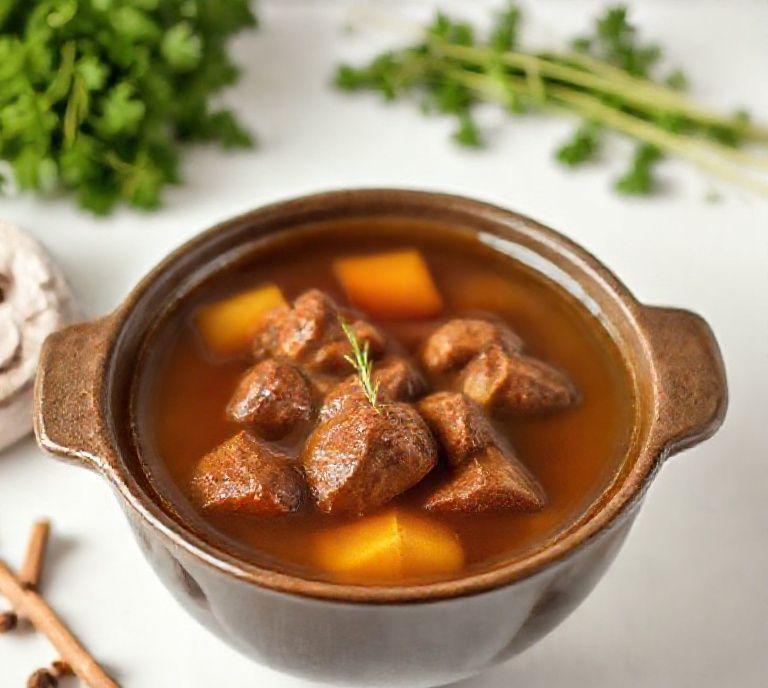
There are few things in life more comforting than a big bowl of beef stew that’s been simmering away all day. The meat becomes melt-in-your-mouth tender, the vegetables soak up layers of savory flavor, and the broth transforms into this rich, velvety sauce that practically begs to be mopped up with a crusty slice of bread.
What makes beef stew so special is its timelessness. Generations have relied on it as a nourishing, budget-friendly, and soul-satisfying dish. With the help of a slow cooker (or even an oven or stovetop if you’re old-school), you can build a dish that tastes like it took all day-because, honestly, it does-but with very little hands-on effort.
Slow Cooked Beef Stew Recipe
Think of this as your foundation recipe. From here, you can tweak, swap, and customize to make it truly your own.
This particular recipe focuses on:
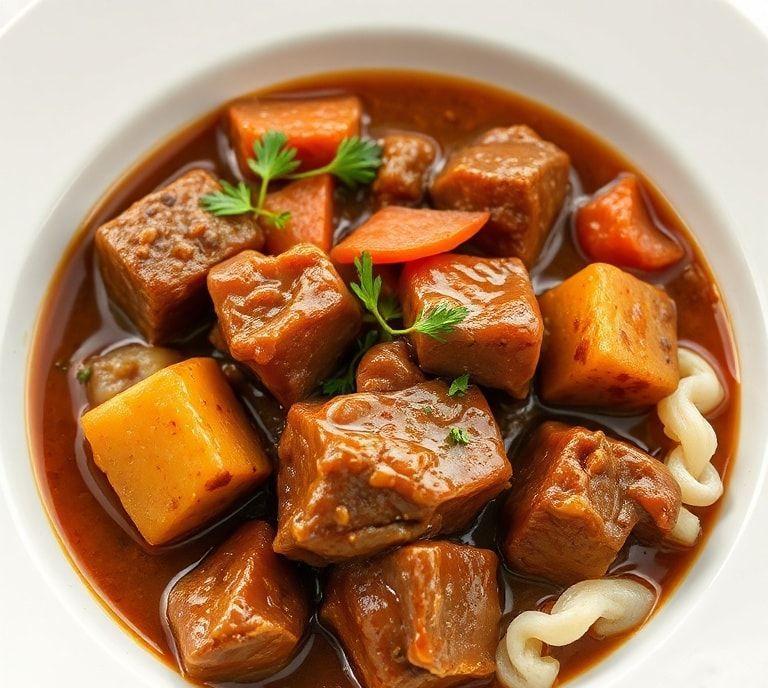
- Tender chunks of beef that practically fall apart with a fork.
- Classic stew vegetables like carrots, potatoes, and celery.
- A broth that gets richness from beef stock, depth from herbs, and a slight edge from tomato paste and Worcestershire sauce.
- A low-and-slow cooking method that gives you maximum flavor with minimal stress.
Ingredient List
Here’s what you’ll need to build a solid, traditional stew base:
- 2-3 pounds beef chuck roast (cut into 1 ½-inch cubes)
- 3 tablespoons all-purpose flour (for dredging the beef)
- 2 tablespoons olive oil (or vegetable oil)
- 1 large onion, diced
- 3 garlic cloves, minced
- 4 carrots, cut into chunks
- 3-4 Yukon gold potatoes, cubed
- 2 celery stalks, chopped
- 2 tablespoons tomato paste
- 4 cups beef broth (low sodium preferred)
- 1 cup red wine (optional, but adds deep flavor)
- 2 tablespoons Worcestershire sauce
- 2 teaspoons dried thyme (or a few sprigs of fresh thyme)
- 2 bay leaves
- Salt and black pepper, to taste
- 2 tablespoons cornstarch + 2 tablespoons cold water (for thickening, optional)
- Fresh parsley, chopped, for garnish
Instruction Guide
Here’s the step-by-step process to get your stew from raw ingredients to that glorious, hearty finish:
-
Prep The Beef
- Pat the beef cubes dry with paper towels (this helps them brown properly).
- Season generously with salt and pepper. Dredge lightly in flour.
-
Brown The Meat
- Heat oil in a skillet over medium-high.
- Sear beef in batches until browned on all sides (don’t crowd the pan).
- Transfer the browned beef to your slow cooker.
-
Build The Flavor Base
- In the same skillet, sauté onions and garlic until fragrant and slightly golden.
- Stir in tomato paste and let it cook for a minute (this deepens the flavor).
- Deglaze with red wine (if using), scraping up all those delicious browned bits from the bottom.
-
Load Up The Slow Cooker
- Add carrots, potatoes, celery, browned beef, onion/garlic mixture, beef broth, Worcestershire sauce, thyme, and bay leaves.
- Stir everything together gently.
-
Slow Cook
- Cover and cook on LOW for 8-10 hours or HIGH for 4-6 hours.
- The beef should be fork-tender and the vegetables soft.
-
Thicken The Stew (optional)
- Mix cornstarch with cold water, then stir it into the stew.
- Let it simmer for another 10-15 minutes until thickened.
-
Finish & Serve
- Remove bay leaves.
- Taste and adjust seasoning with more salt, pepper, or Worcestershire sauce.
- Garnish with fresh parsley before serving.
Ingredient Swaps
Maybe you don’t have every single thing on hand-don’t worry. This dish is flexible:
- Beef chuck roast → beef brisket, short ribs, or even stew meat (though chuck is best).
- Yukon gold potatoes → russets or red potatoes (though red potatoes hold shape better).
- Red wine → extra beef broth, beer, or even balsamic vinegar + broth for acidity.
- Carrots & celery → parsnips, turnips, or rutabaga if you’re feeling rustic.
- Worcestershire sauce → soy sauce or fish sauce for that umami punch.
- Fresh parsley → dill or rosemary for a different herby twist.
Helpful Tips
Let’s be real-stew may be simple, but a few smart tricks make it unforgettable:
- Brown the beef, don’t skip it. This is where the deep, meaty flavor starts.
- Don’t overdo the flour. A light coating is enough; too much and it turns gummy.
- Cut veggies uniformly. That way, they all cook evenly.
- Avoid adding frozen veggies early. If you’re using peas or green beans, add them in the last 30 minutes so they don’t turn mushy.
- Taste at the end. Stews need salt balancing after hours of cooking-don’t trust the flavor until it’s finished.
Customization Ideas
This is where you make the stew truly your own:
- Add smoky depth: Toss in a teaspoon of smoked paprika.
- Make it heartier: Stir in pearl barley or lentils halfway through cooking.
- Brighten it up: Add a splash of balsamic vinegar or lemon juice at the end to cut through the richness.
- Give it a French twist: Add mushrooms and a bit more wine for a boeuf bourguignon vibe.
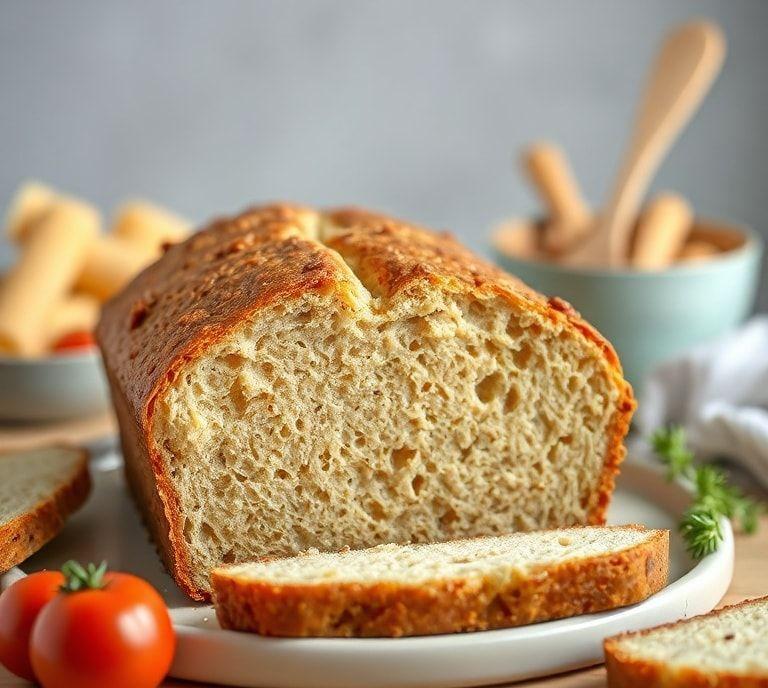
- Go Irish style: Swap the red wine for Guinness and serve with soda bread.
- Turn it into a complete meal: Serve ladled over buttered egg noodles, mashed potatoes, or even rice.
FAQs
What Cut Of Beef Is Best For Slow Cooked Beef Stew?
The best cuts for slow cooked beef stew are tougher, well-marbled cuts such as chuck, brisket, or round. These cuts become tender and flavorful when cooked slowly over several hours.
How Long Should I Cook Beef Stew In A Slow Cooker?
Typically, beef stew should be cooked on low heat for 7 to 8 hours or on high heat for 4 to 5 hours. Cooking times may vary depending on the size of the meat chunks and the type of slow cooker used.
Can I Brown The Beef Before Slow Cooking?
Yes, browning the beef in a skillet before adding it to the slow cooker enhances the flavor and texture of the stew. While optional, this step gives a richer, more savory taste.
What Vegetables Work Best In Slow Cooked Beef Stew?
Root vegetables such as carrots, potatoes, parsnips, and turnips are ideal because they hold their shape during long cooking times. Onions, celery, and mushrooms are also commonly added for flavor and texture.
Do I Need To Add Liquid To Slow Cooked Beef Stew?
Yes, liquid is essential to prevent the stew from drying out. Common liquids include beef broth, stock, water, red wine, or a combination. Typically, the liquid should cover at least half of the ingredients.
Can I Make Slow Cooked Beef Stew In Advance?
Yes, slow cooked beef stew often tastes better the next day, as flavors have more time to meld. Store in an airtight container in the refrigerator for up to 3 days or freeze for up to 3 months.
How Can I Thicken The Stew If It Is Too Watery?
To thicken a watery stew, you can mix a small amount of cornstarch or flour with cold water and stir it into the stew during the last 30 minutes of cooking. Alternatively, reduce the liquid by cooking uncovered for a short period.
Can I Use Frozen Beef Or Vegetables In Slow Cooked Stew?
While it is possible, using frozen beef or vegetables may result in slightly less tender meat and unevenly cooked vegetables. It’s recommended to thaw ingredients before slow cooking for best results.
What Herbs And Spices Enhance The Flavor Of Slow Cooked Beef Stew?
Common herbs and spices include thyme, rosemary, bay leaves, parsley, and black pepper. Garlic and paprika can also add depth. Herbs should generally be added at the start, while delicate herbs can be added near the end.
Can I Make Slow Cooked Beef Stew In An Instant Pot Or Pressure Cooker?
Yes, an Instant Pot or pressure cooker can significantly reduce cooking time. Typically, the beef stew cooks under high pressure for 35 to 45 minutes, followed by a natural release. Adjust liquid slightly as pressure cooking does not allow for evaporation.