Slow Cooked Rib Eye Steak Recipe (Guide)
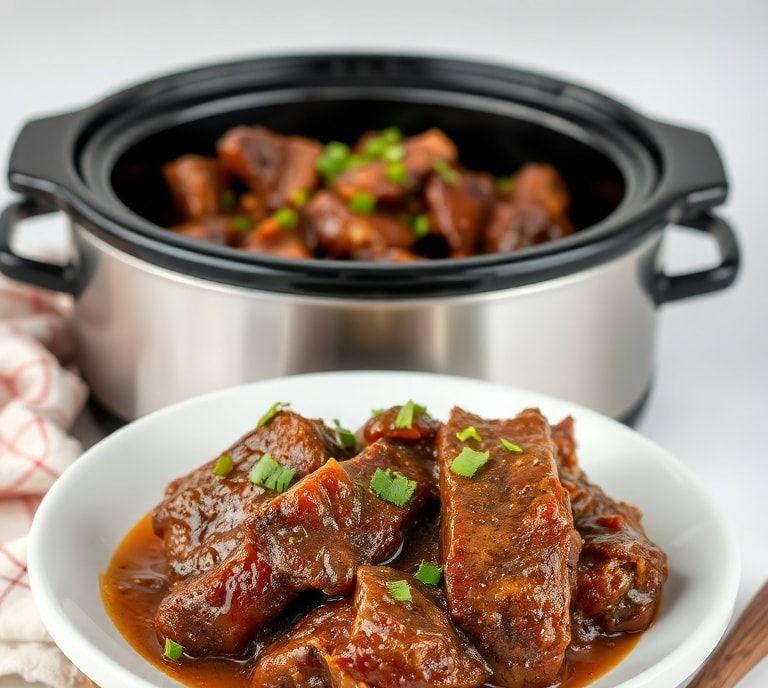
If you’ve ever dreamed of biting into a steak so tender it practically melts in your mouth, then slow-cooked ribeye is your golden ticket. Unlike traditional pan-searing or grilling, slow cooking transforms this already flavorful cut into something almost indulgent, allowing every marbled streak of fat to render gently and infuse the meat with an unparalleled depth of flavor. The process is a bit like magic-but with a little patience, you’ll achieve restaurant-quality results right at home.
Whether you’re cooking for a special occasion, a cozy dinner for two, or just indulging in some serious self-care with dinner, slow-cooked ribeye elevates the experience. The aroma alone-rich, savory, and slightly sweet-will have everyone gathering around the kitchen like moths to a flame.
Slow-Cooked Ribeye Steak Recipe
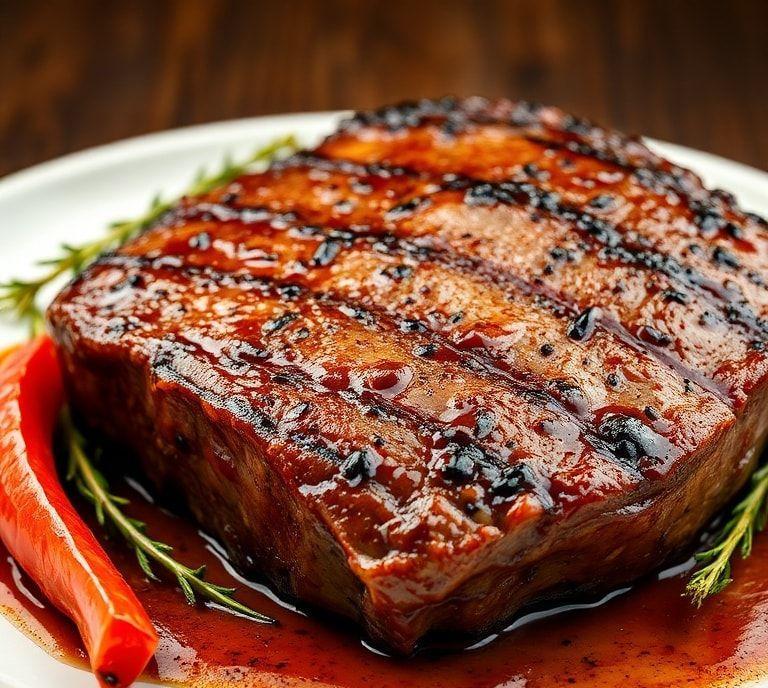
This slow-cooked ribeye steak recipe isn’t just about cooking; it’s about creating a sensory experience. Tender, juicy, and bursting with flavor, this recipe allows the meat to do what it does best while giving you the freedom to play with flavors and techniques.
- Cooking Method: Low and slow, either in a slow cooker, oven, or even on the stovetop with a tight-fitting lid.
- Flavor Profile: Deep, meaty richness with layers of garlic, herbs, and a buttery finish.
- Texture Goal: Fork-tender, succulent, and beautifully juicy, with the fat perfectly rendered.
Ingredient List
To make your slow-cooked ribeye steak unforgettable, gather these ingredients:
- Ribeye Steak: 2 large cuts (about 1-1.5 inches thick; adjust depending on servings)
- Olive Oil or Butter: 2 tablespoons, for searing
- Garlic: 4-5 cloves, smashed or minced for deeper flavor infusion
- Fresh Herbs: A mix of rosemary, thyme, and parsley for that aromatic lift
- Onion: 1 large, thinly sliced
- Beef Broth or Stock: 1 cup, to keep the steak moist and add richness
- Red Wine or Balsamic Vinegar: ½ cup, optional but adds depth and subtle acidity
- Salt and Pepper: To taste
- Optional Extras: Mushrooms, shallots, or a dash of smoked paprika for complexity
Instruction Guide
Here’s the step-by-step approach to slow-cooking ribeye like a pro:
-
Prep The Steak
- Pat the ribeye dry to ensure a good sear.
- Generously season with salt and pepper on both sides.
-
Sear The Steak (Optional But Recommended)
- Heat olive oil or butter in a heavy skillet over medium-high heat.
- Sear the steak 2-3 minutes per side until a golden-brown crust forms. This step locks in flavor.
-
Prepare The Slow-Cooking Base
- In your slow cooker or oven-safe dish, layer onions, garlic, and herbs.
- Pour in beef broth and red wine (if using) to create a flavorful cooking liquid.
-
Slow Cook
- Place the ribeye on top of the aromatics.
- Cover and cook on low heat for 4-6 hours (or until desired tenderness is reached).
-
Finishing Touches
- Remove steak from the cooker and let rest for 10-15 minutes before slicing.
- Optional: Deglaze the cooking liquid with a splash of cream or butter to make a quick, luscious sauce.
-
Serve And Enjoy
- Slice against the grain, plate with your favorite sides, and pour over a bit of the sauce.
Ingredient Swaps
Life happens, and sometimes you need alternatives. Here are some easy ingredient swaps without losing flavor:
- Ribeye Substitute: New York strip, sirloin, or even chuck roast if you want a more budget-friendly option.
- Beef Broth Replacement: Chicken or vegetable broth can work, though beef provides the richest flavor.
- Red Wine Swap: Apple cider vinegar or pomegranate juice gives a similar acidity.
- Butter Replacement: Coconut oil or ghee for a different fat profile.
- Fresh Herbs: Dried herbs can replace fresh (use about a third of the amount).
Helpful Tips
Here are some pro tips to make your slow-cooked ribeye flawless:
- Patience is Key: Low and slow is not just a saying; rushing it will yield tougher results.
- Avoid Overcrowding: If cooking multiple steaks, make sure they’re not stacked, or they won’t cook evenly.
- Rest Before Slicing: Allowing the steak to rest preserves juices.
- Sear for Flavor: Even though it’s slow-cooked, a quick sear adds depth and a savory crust.
- Monitor Liquid Levels: Check halfway through cooking; add broth if needed.
Customization Ideas
Want to make this recipe uniquely yours? Try one of these creative tweaks:
- Garlic Lovers’ Version: Double the garlic cloves and add roasted garlic puree.
- Spicy Twist: Rub the steak with smoked paprika, chili powder, and cayenne before searing.
- Asian-Inspired: Swap broth for soy sauce and a dash of ginger, add green onions at the end.
- Herb Explosion: Add tarragon, sage, or bay leaves for a complex herbal aroma.
- Mushroom Medley: Slow-cook with a mix of cremini, shiitake, or portobello mushrooms for earthy richness.
FAQs
What Is The Best Method For Slow Cooking Rib Eye Steak?
The best method is to sear the rib eye steak first in a hot skillet to develop a crust, then transfer it to a slow cooker or low oven with broth, wine, or aromatics. Cooking at a low temperature for several hours allows the meat to become tender while preserving flavor.
How Long Should I Slow Cook Rib Eye Steak?
When using a slow cooker on low heat, rib eye steak should cook for 6-8 hours. In an oven set at 250°F (120°C), the cooking time may be 2-3 hours depending on the thickness and whether you want a fork-tender result.
Do I Need To Sear The Rib Eye Before Slow Cooking?
Yes, searing is highly recommended. Browning the steak in a hot skillet before slow cooking locks in juices and creates the Maillard reaction, which enhances the flavor and adds depth to the dish.
What Liquids Should I Use For Slow Cooking Rib Eye Steak?
Common choices include beef broth, red wine, balsamic vinegar, or a combination of these. These liquids help keep the meat moist, infuse flavor, and create a rich base for sauces or gravies.
Can I Cook Rib Eye Steak In A Slow Cooker Without Liquid?
It is not recommended to slow cook rib eye without liquid. A small amount of broth, wine, or even water is necessary to prevent the meat from drying out and to maintain a tender texture.
What Seasonings Work Best For Slow Cooked Rib Eye Steak?
Classic seasonings include salt, black pepper, garlic, rosemary, thyme, and onion. Adding a bay leaf or smoked paprika can deepen the flavor profile, while soy sauce or Worcestershire sauce provides a savory umami boost.
Can I Add Vegetables To The Slow Cooked Rib Eye Steak?
Yes, vegetables such as carrots, onions, potatoes, and celery pair well with rib eye steak in a slow cooker. They not only enhance the flavor but also absorb the juices from the meat and broth.
What Temperature Should Rib Eye Steak Reach When Slow Cooked?
For tender and juicy results, the internal temperature should reach at least 145°F (63°C) for medium-rare or up to 190-200°F (88-93°C) if you want a braised, fall-apart texture.
How Should I Serve Slow Cooked Rib Eye Steak?
Slow cooked rib eye steak can be served whole or shredded, depending on the texture achieved. It pairs well with mashed potatoes, roasted vegetables, rice, or polenta, often topped with the reduced cooking liquid as a sauce.
Can I Reheat Slow Cooked Rib Eye Steak Without Drying It Out?
Yes. Reheat the steak gently in a covered dish with some of its cooking liquid in the oven at a low temperature (around 275°F or 135°C). This helps preserve moisture and prevents the meat from becoming tough.