Bone-in Chicken Thigh Slow Cooker Recipe (Guide)
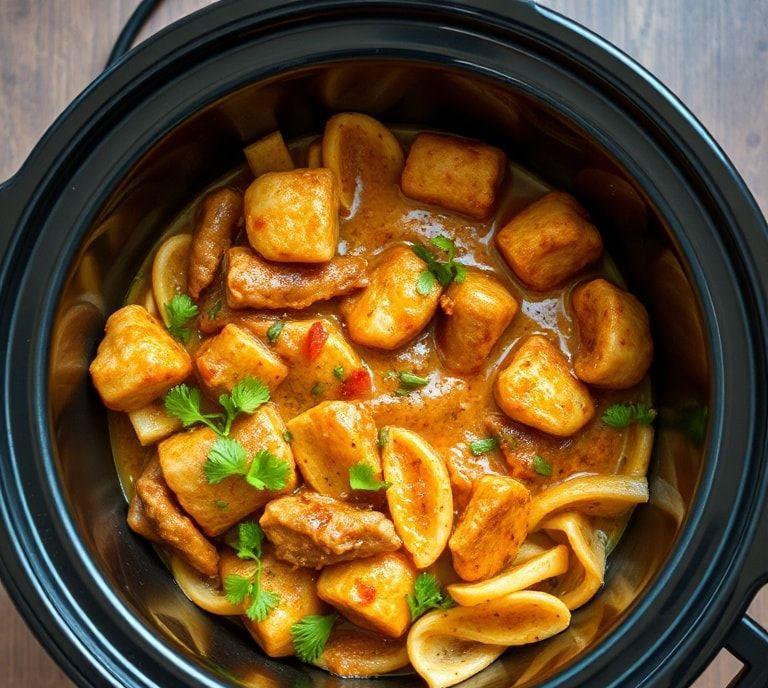
Let’s be honest: there’s something magical about coming home to a house that smells like a slow-cooked, hearty meal. And when it comes to comfort food that’s both flavorful and effortlessly easy, bone-in chicken thighs in a slow cooker are absolute champions. Unlike chicken breasts, these thighs are packed with rich flavor and natural juiciness that practically melt in your mouth after hours of gentle cooking.
Using a slow cooker isn’t just convenient-it’s transformative. It takes even the simplest ingredients and elevates them into something deeply savory and soul-satisfying. The beauty of this dish is that it requires minimal prep, almost zero babysitting, and leaves you with tender, succulent meat that’s perfect over rice, alongside roasted vegetables, or even shredded for sandwiches.
By the end of this guide, you’ll not only have a foolproof recipe but also insider tips, creative swaps, and ways to make it uniquely yours. Let’s dive in!
Bone-in Chicken Thigh Slow Cooker Recipe
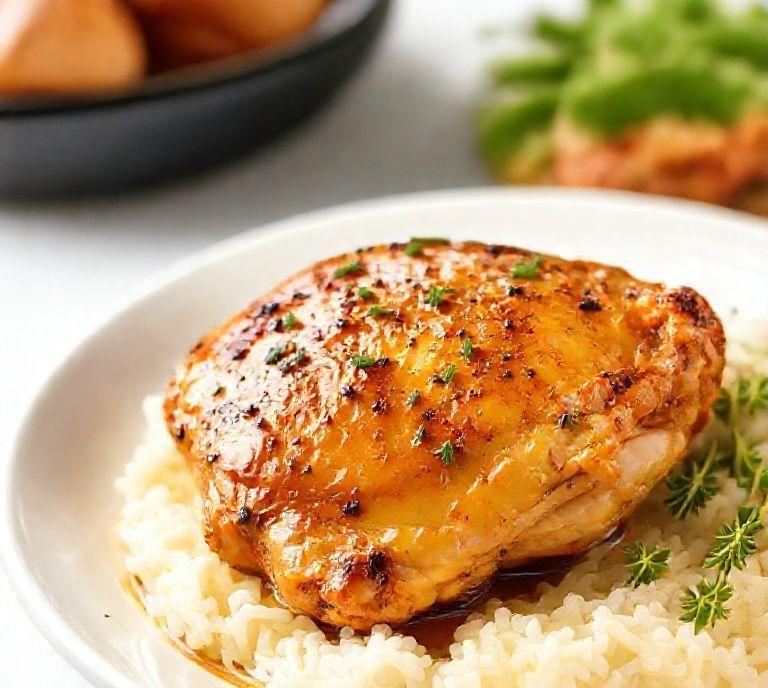
This recipe is all about flavor layering, gentle heat, and the kind of deep, meaty satisfaction only slow-cooked chicken can deliver. Bone-in thighs ensure maximum juiciness, and the slow cooker method guarantees that each bite is tender without ever drying out. The result? A dish that’s effortlessly impressive, yet perfect for a lazy weeknight.
Ingredient List
Here’s what you’ll need for a slow cooker recipe that serves about 4 people generously:
- Bone-in, skin-on chicken thighs – 6-8 pieces (around 3 pounds)
- Onion – 1 large, sliced thinly (or 2 medium)
- Garlic – 4 cloves, minced or smashed
- Carrots – 3 medium, chopped into 1-inch pieces
- Celery stalks – 2-3, chopped
- Chicken broth – 1 cup (low sodium preferred)
- Olive oil – 1-2 tablespoons
- Soy sauce – 2 tablespoons (optional, for depth of umami)
- Lemon juice – 1 tablespoon (brightens flavors)
- Dried herbs – 1 teaspoon each of thyme, rosemary, and oregano
- Salt and pepper – to taste
- Optional add-ins: bay leaf, paprika, crushed red pepper, or a splash of white wine
Instruction Guide
Let’s break this down into simple, manageable steps while keeping it conversational so you feel like I’m right there cooking with you:
-
Prep The Chicken
- Pat the chicken thighs dry with paper towels. This helps the skin crisp slightly if you sear them first.
- Season generously with salt, pepper, and a bit of paprika if desired.
-
Optional Searing Step
- Heat a skillet over medium-high heat with 1-2 tablespoons of olive oil.
- Brown the chicken thighs, skin side down, for 3-4 minutes per side. This isn’t mandatory, but it adds a wonderful caramelized flavor.
-
Prepare The Vegetables
- Slice onions, chop carrots, and celery.
- Place them at the bottom of the slow cooker. This acts as a natural ’rack’ to lift the chicken slightly off the bottom and infuses flavor into the broth.
-
Layer The Chicken
- Nestle the chicken thighs on top of the vegetables.
-
Add Aromatics And Liquid
- Mince garlic and sprinkle over the chicken.
- Add herbs, optional bay leaf, and pour in the chicken broth and lemon juice. A splash of soy sauce or white wine is great here if using.
-
Cook Low And Slow
- Cover and cook on LOW for 6-7 hours or HIGH for 3-4 hours.
- Check toward the end; the chicken should be tender and falling off the bone, while vegetables are soft but not mushy.
-
Finishing Touches
- Taste the broth and adjust salt, pepper, or lemon juice as needed.
- Optional: Skim off excess fat or pour a bit of the broth over rice, mashed potatoes, or pasta for maximum flavor.
Ingredient Swaps
Flexibility is key, and you can adjust this recipe based on what you have or your taste preferences:
- Chicken: Swap bone-in thighs for boneless thighs (slightly less juicy) or even drumsticks.
- Vegetables: Potatoes, parsnips, bell peppers, or mushrooms can replace or complement the carrots and celery.
- Liquid: Use vegetable broth, white wine, or even a light tomato sauce for a twist.
- Herbs & Seasonings: Fresh herbs like parsley, tarragon, or sage can replace dried ones; add smoked paprika for a deeper, slightly smoky flavor.
Helpful Tips
These tips will make your slow cooker experience even better:
- Avoid overcooking: While slow cookers are forgiving, chicken that cooks too long can become stringy. Stick to recommended times.
- Layer wisely: Vegetables on the bottom prevent the chicken from sitting in liquid and getting soggy.
- Skim fat if necessary: Bone-in chicken thighs release fat; skim before serving for a lighter dish.
- Use a slow cooker liner: Makes cleanup almost effortless.
Customization Ideas
Make this recipe uniquely yours with creative tweaks:
- Spicy version: Add chili flakes, sriracha, or chopped jalapeños.
- Asian-inspired: Swap soy sauce for teriyaki, add ginger, and finish with sesame seeds.
- Mediterranean twist: Use olives, sun-dried tomatoes, and a splash of white wine.
- Creamy comfort: Stir in a dollop of sour cream or cream cheese at the end for a luscious sauce.
FAQs
Can I Use Frozen Chicken Thighs In A Slow Cooker?
Yes, you can use frozen chicken thighs in a slow cooker, but it is generally recommended to thaw them first. Cooking from frozen may increase the cooking time and could result in uneven cooking, especially if the thighs are thick. Ensure the internal temperature reaches at least 165°F (74°C).
How Long Should Bone-in Chicken Thighs Cook In A Slow Cooker?
Bone-in chicken thighs typically cook for 4-5 hours on high or 6-7 hours on low in a slow cooker. Cooking times may vary slightly depending on the size of the thighs and your specific slow cooker model. Always check that the internal temperature reaches 165°F (74°C).
Do I Need To Brown The Chicken Before Adding It To The Slow Cooker?
Browning the chicken before slow cooking is optional but recommended. Searing the thighs in a skillet adds flavor and improves the appearance of the skin. However, if you prefer a simpler method, you can place the raw chicken directly in the slow cooker with seasonings and liquid.
What Liquids Are Best For Slow Cooking Chicken Thighs?
Common liquids for slow cooking chicken thighs include chicken broth, water, wine, or a combination of sauces such as soy sauce, tomato sauce, or cream-based sauces. The liquid helps maintain moisture and infuses flavor, but you only need enough to cover the bottom of the slow cooker, as the chicken will release its own juices.
Can I Cook Vegetables Along With The Chicken?
Yes, vegetables such as carrots, potatoes, onions, and celery can be added to the slow cooker. Denser vegetables should be placed on the bottom to ensure even cooking, while quicker-cooking vegetables like bell peppers or zucchini can be added later in the cooking process to prevent overcooking.
How Do I Prevent The Chicken From Drying Out?
To prevent dryness, avoid overcooking, ensure the slow cooker lid remains closed during cooking, and use enough liquid to create steam. Bone-in chicken retains moisture better than boneless chicken, so it is more forgiving, but monitoring the cooking time is still important.
Can I Use Skinless Chicken Thighs Instead?
Yes, skinless chicken thighs can be used, but they may cook faster and result in slightly less flavor and moisture. If using skinless thighs, consider adding a small amount of oil or butter to the slow cooker and monitor the cooking time carefully to avoid overcooking.
Is It Safe To Slow Cook Chicken On Low Heat?
Yes, slow cooking chicken on low heat is safe as long as the chicken reaches an internal temperature of 165°F (74°C). Cooking on low allows the flavors to meld and helps maintain tender, juicy meat.
Can I Make A Sauce From The Slow Cooker Juices?
Yes, the cooking liquid in the slow cooker can be turned into a flavorful sauce. After removing the chicken, pour the juices into a saucepan and simmer to reduce, or thicken with cornstarch or flour. You can also add cream, wine, or herbs to enhance the flavor.
How Should Leftovers Be Stored?
Leftover cooked chicken should be cooled to room temperature and stored in an airtight container in the refrigerator for up to 3-4 days. For longer storage, freeze the chicken in a sealed container for up to 3 months. Reheat thoroughly to 165°F (74°C) before consuming.