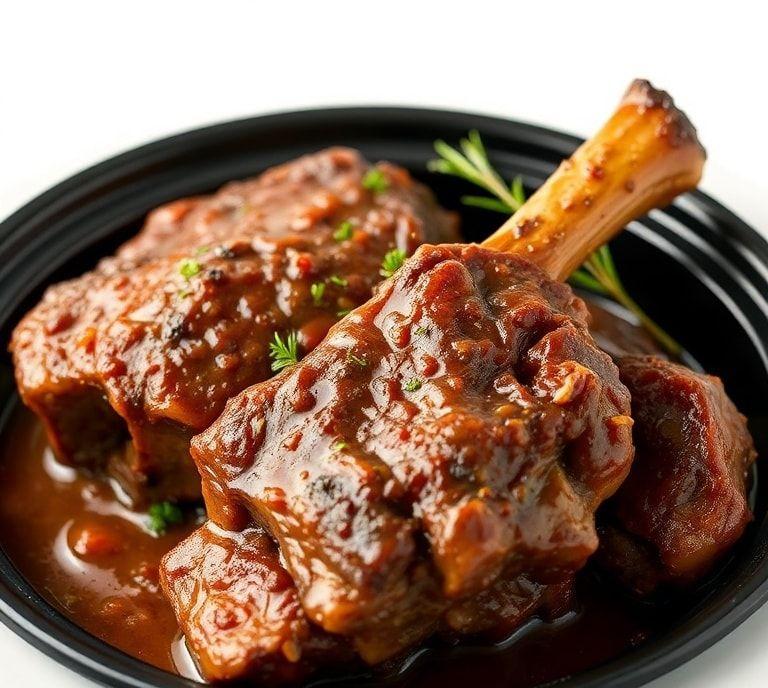
Chili Slow Cooker Healthy Recipe (Guide)
Let’s talk about comfort food that doesn’t just satisfy your taste buds but also nurtures your body: chili. And not just any chili-the kind that simmers slowly in a slow cooker, filling your kitchen with that irresistible aroma while you go about your day. Slow cooker chili is one of those magical dishes that’s effortless, hearty, and incredibly flexible. The beauty of making chili in a slow cooker is that you can throw in your ingredients in the morning, go about your day, and come home to a warm, flavorful, healthy meal waiting for you. Plus, it’s a one-pot wonder, making cleanup a breeze.
Today, I’m diving deep into a healthy slow cooker chili recipe that’s not only packed with flavor but also full of nutrients. Whether you’re a chili enthusiast or a beginner in the kitchen, this guide is going to cover everything-from ingredients and instructions to swaps, tips, and creative twists you might not have thought about.
Chili Slow Cooker Healthy Recipe
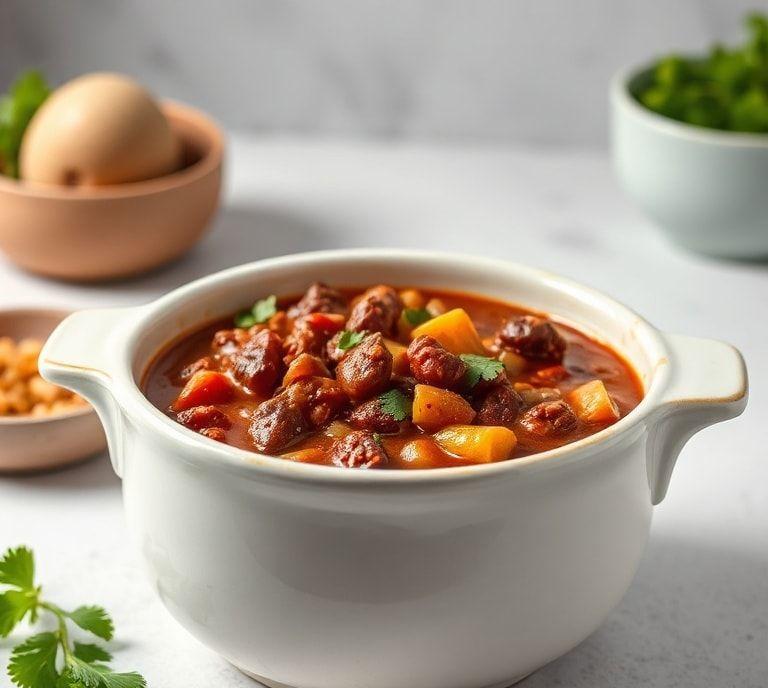
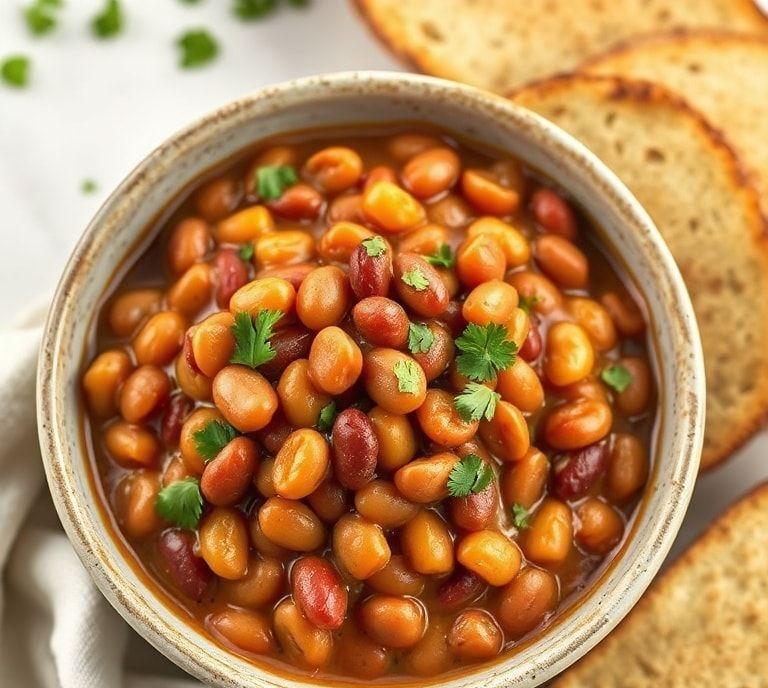
This recipe balances the heartiness you crave with a lighter, more nutritious approach. Imagine tender beans, fresh vegetables, lean protein, and a rich tomato base, all slowly cooked until the flavors meld beautifully. It’s perfect for meal prep, family dinners, or even freezing for later. The slow cooker does most of the work, letting the flavors develop over hours without constant attention.
Ingredient List
Here’s what you’ll need for this healthy, slow-cooked chili:
-
Protein
- 1 lb (450 g) lean ground turkey or chicken, or extra-firm tofu for a vegetarian option
-
Beans
- 1 can (15 oz) black beans, drained and rinsed
- 1 can (15 oz) kidney beans, drained and rinsed
- Optional: 1 can (15 oz) chickpeas for extra texture
-
Vegetables
- 1 large onion, diced
- 3 cloves garlic, minced
- 1 bell pepper (any color), diced
- 1 medium zucchini, diced
- 1 cup carrots, diced
- 1 cup corn kernels (fresh or frozen)
-
Tomato Base
- 1 can (28 oz) crushed tomatoes
- 1 can (15 oz) tomato sauce
-
Liquids & Broth
- 1 cup low-sodium vegetable or chicken broth
-
Spices & Seasonings
- 2 tbsp chili powder
- 1 tsp smoked paprika
- 1 tsp cumin
- ½ tsp cayenne pepper (adjust to taste)
- Salt and black pepper to taste
-
Optional Garnishes
- Chopped cilantro, avocado slices, shredded cheese, or a dollop of Greek yogurt
Instruction Guide
Making this chili is as simple as ’throw, stir, and forget’-with delicious results. Here’s the step-by-step breakdown:
-
Prep The Ingredients
- Dice the onion, bell pepper, zucchini, and carrots. Mince the garlic.
- Rinse and drain your beans to remove excess sodium.
-
Brown The Protein (Optional)
- If using ground meat, brown it in a skillet over medium heat for 5-7 minutes until fully cooked. This step adds extra flavor but isn’t necessary if you’re short on time.
-
Assemble In The Slow Cooker
- Add all the vegetables, beans, protein (if browned or raw), tomato sauce, crushed tomatoes, and broth to the slow cooker.
- Stir in all the spices: chili powder, smoked paprika, cumin, cayenne, salt, and pepper.
-
Cook Low And Slow
- Cover and cook on low for 6-8 hours or high for 3-4 hours. The longer it cooks, the more the flavors will meld together.
-
Taste And Adjust
- About 30 minutes before serving, taste the chili. Adjust seasoning with more salt, pepper, or spices if needed.
-
Serve And Garnish
- Ladle into bowls and top with your favorite garnishes like fresh cilantro, avocado, or a dollop of Greek yogurt for creaminess.
Ingredient Swaps
One of the best things about chili is its versatility. Don’t have a certain ingredient? No problem. Here are some healthy swaps:
-
Protein
- Swap turkey or chicken for lean beef, ground pork, or plant-based crumbles.
- For a vegetarian version, double up on beans or add lentils.
-
Beans
- Black, kidney, and chickpeas are great, but navy beans, pinto beans, or cannellini beans work perfectly too.
-
Vegetables
- Substitute zucchini for yellow squash, sweet potatoes, or mushrooms.
- Bell peppers can be replaced with poblano or even a mix of red and green peppers for extra color.
-
Liquid
- Broth can be swapped with water or tomato juice.
- For a creamier chili, add a splash of unsweetened almond milk near the end.
-
Spices
- Adjust chili powder and cayenne to your heat preference.
- Try adding smoked chipotle or a dash of cinnamon for a unique twist.
Helpful Tips
To get the absolute best chili experience, keep these tips in mind:
- Layer Flavors: Sautéing onions, garlic, and spices before adding them to the slow cooker enhances the depth of flavor.
- Don’t Overload the Cooker: Fill the slow cooker no more than ¾ full to prevent overflow and ensure even cooking.
- Consistency Check: If the chili is too thick, add a little broth. If too thin, remove the lid for the last 30 minutes to thicken.
- Beans: If using dried beans, soak them overnight and cook separately before adding to the slow cooker.
- Leftovers: Chili tastes even better the next day. Store in airtight containers for up to 4 days, or freeze for up to 3 months.
Customization Ideas
Make this chili uniquely yours with these fun variations:
- Tex-Mex Twist: Add a handful of diced jalapeños and a sprinkle of smoked paprika. Serve with tortilla chips.
- Southwest Sweet Potato Chili: Swap some beans for roasted sweet potatoes and add a teaspoon of cinnamon for a subtle sweetness.
- Mediterranean Chili: Include olives, artichoke hearts, and a squeeze of lemon before serving.
- Spicy Kick: Stir in chipotle peppers in adobo sauce or hot sauce to taste.
- Creamy Version: Blend half of the chili with an immersion blender before serving for a creamier texture without using cream.
FAQs
What Makes A Slow Cooker Chili Recipe Healthy?
A healthy slow cooker chili typically uses lean protein such as turkey or chicken, includes a variety of vegetables and beans, limits added sugars and sodium, and avoids excessive use of high-fat ingredients like cheese and sour cream.
Can I Make A Vegetarian Or Vegan Slow Cooker Chili?
Yes, you can substitute meat with plant-based proteins such as lentils, black beans, chickpeas, or tofu. Including a mix of colorful vegetables and spices ensures flavor and nutritional value without relying on animal products.
How Long Should I Cook Chili In A Slow Cooker?
Cooking time typically ranges from 4-6 hours on high or 6-8 hours on low. This allows flavors to meld while keeping vegetables tender and beans fully cooked without overcooking delicate ingredients.
What Types Of Beans Work Best For A Healthy Slow Cooker Chili?
Common choices include black beans, kidney beans, pinto beans, and chickpeas. These beans provide fiber, protein, and essential nutrients. It’s best to rinse canned beans to reduce sodium content.
Can I Prepare Chili In Advance And Store It?
Yes, chili stores well in the refrigerator for 3-4 days and freezes for up to 3 months. Store in airtight containers, and allow it to cool slightly before refrigerating or freezing to preserve texture and flavor.
How Can I Thicken My Slow Cooker Chili Without Adding Unhealthy Ingredients?
You can thicken chili naturally by using mashed beans, pureed vegetables like tomatoes or sweet potatoes, or by simmering uncovered for the last 30-60 minutes to reduce excess liquid.
What Seasonings Make Slow Cooker Chili Flavorful Yet Healthy?
Use a mix of chili powder, cumin, paprika, garlic, onion, oregano, and cayenne pepper. Fresh herbs like cilantro or parsley added at the end enhance flavor without adding extra calories or sodium.
Can I Use Canned Vegetables And Beans In A Healthy Chili?
Yes, but choose low-sodium or no-salt-added varieties when possible. Rinse beans and vegetables under cold water to remove excess sodium, and balance flavors with fresh herbs and spices.
Is It Possible To Make A Slow Cooker Chili Low-carb Or Keto-friendly?
Yes, by reducing or eliminating beans and adding more low-carb vegetables such as zucchini, cauliflower, or bell peppers. You can also use ground meats and high-fat ingredients moderately while avoiding starchy vegetables.
How Can I Increase The Protein Content Of My Healthy Chili?
Incorporate lean meats like turkey, chicken, or lean beef, or add extra beans and lentils. You can also use protein-rich vegetables such as peas or quinoa for additional nutritional value.