Chuck Roast Slow Cooker Recipe (Guide)
Let’s talk about comfort food. You know that kind of meal where the smell alone makes you feel at home, even before you take a bite? That’s exactly what a chuck roast cooked low and slow in the slow cooker delivers. This cut of beef, often overlooked for ’fancier’ steaks, transforms into melt-in-your-mouth perfection when given time, patience, and a cozy simmer in the slow cooker.
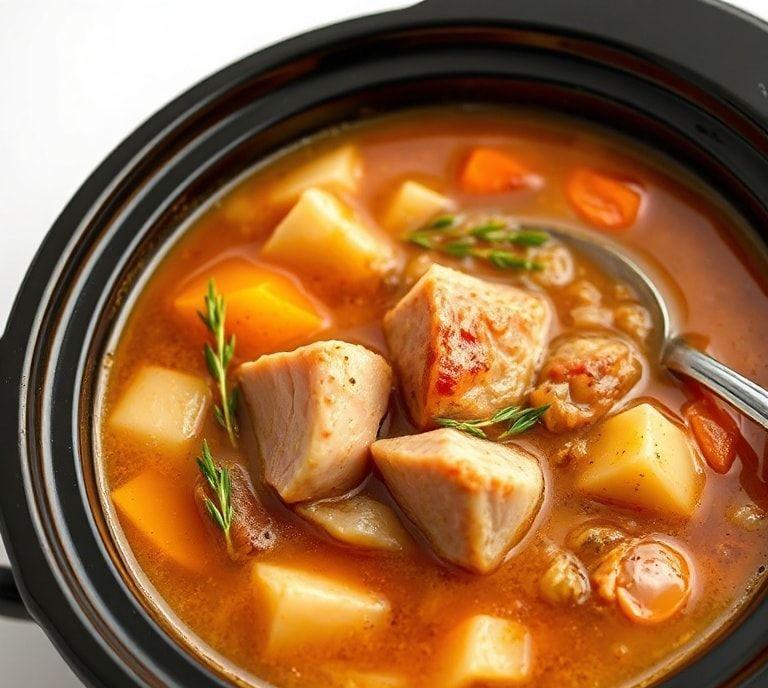
The beauty of this recipe is not just in how it tastes but in how simple it is. You toss everything into your slow cooker in the morning, go about your day, and come back hours later to a rich, savory dinner that feels like it took forever-even though the cooker did the hard work. The meat becomes buttery tender, the vegetables soak up that savory broth, and you get a meal that’s hearty, rustic, and downright soul-satisfying.
Chuck Roast Slow Cooker Recipe
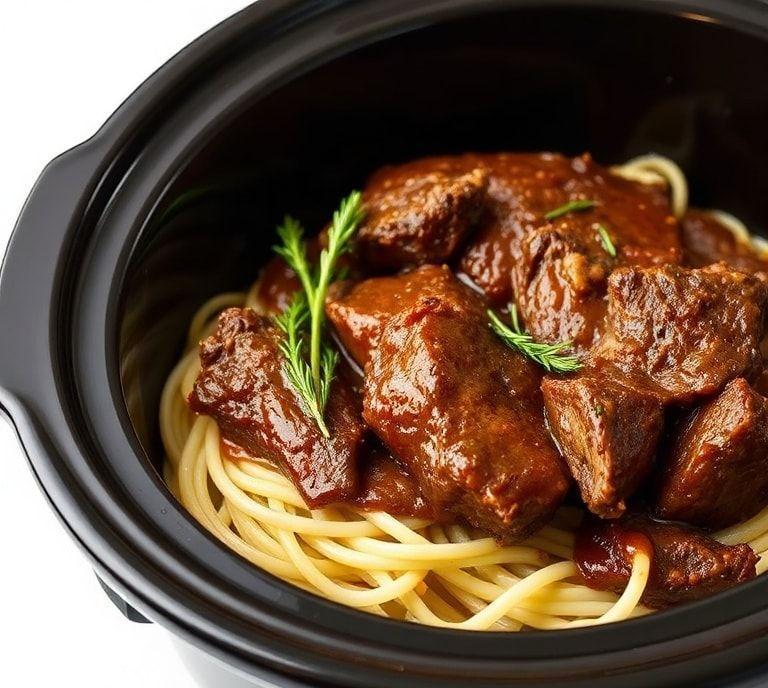
At its heart, this recipe is about coaxing every ounce of flavor out of the chuck roast. By searing the meat first, layering it with vegetables, herbs, and seasonings, and letting it gently braise for hours, you end up with a dish that could easily be the star of a Sunday dinner or even an impressive dinner party centerpiece.
This isn’t a fast recipe. It’s the opposite. It’s a forgiving, hands-off, all-day kind of recipe that rewards you with a roast so tender you barely need a fork.
Ingredient List
Here’s what you’ll need to get started (I’ll include the basics, but we’ll talk swaps and customizations later):
- Beef chuck roast – about 3 to 4 pounds, well-marbled (the fat is what makes it so flavorful and tender)
- Onions – 1 to 2 medium, sliced into thick wedges
- Carrots – 3 to 4 large, peeled and cut into chunks
- Potatoes – about 4 medium Yukon Gold or Russet potatoes, quartered
- Celery – 2 to 3 ribs, cut into chunks
- Garlic – 4 to 5 cloves, smashed for bold flavor
- Beef broth – about 2 cups, enough to come halfway up the roast
- Tomato paste – 2 tablespoons, adds richness and depth
- Worcestershire sauce – 2 tablespoons, for a savory umami punch
- Dried herbs – thyme, rosemary, and bay leaf (you can use fresh if you have them)
- Olive oil – for searing the meat
- Salt and pepper – generously, because the meat can handle it
Optional:
- A splash of red wine (adds complexity to the broth)
- Mushrooms for extra earthiness
- Fresh parsley for garnish
Instruction Guide
Here’s the step-by-step breakdown of how to pull this all together:
-
Prep The Roast
- Pat the chuck roast dry with paper towels.
- Season liberally with salt and black pepper on all sides.
-
Sear the meat (optional but highly recommended)
- Heat olive oil in a large skillet over medium-high heat.
- Sear the roast for 3-4 minutes per side until it’s a deep, golden brown. This step builds flavor that will make your broth irresistible.
-
Layer The Slow Cooker
- Place onions, carrots, potatoes, celery, and garlic in the bottom of your slow cooker.
- Set the seared roast on top of the vegetables.
-
Mix The Cooking Liquid
- In a bowl, whisk together beef broth, tomato paste, Worcestershire sauce, and dried herbs.
- Pour this mixture over the roast and vegetables. Add bay leaf.
-
Cook Low And Slow
- Cover and cook on low for 8-10 hours or high for 5-6 hours.
- You’ll know it’s done when the roast shreds apart easily with a fork.
-
Serve It Up
- Remove the roast and vegetables carefully (they’ll be incredibly tender).
- If you’d like, strain the cooking liquid and simmer it on the stovetop to thicken into a gravy.
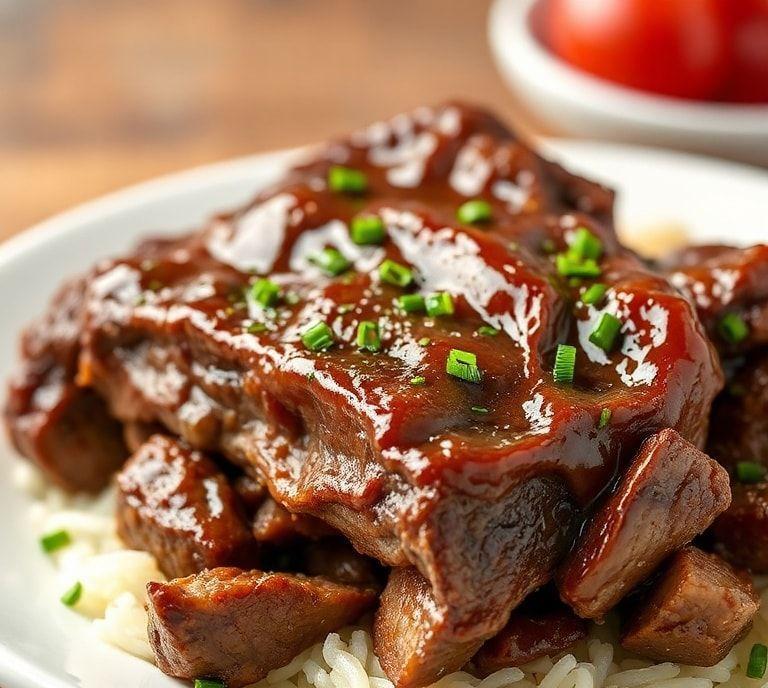
- Slice or shred the roast, arrange with vegetables, and spoon gravy over top.
Ingredient Swaps
One of the best things about this dish is how flexible it is. If you don’t have every single item on hand, don’t stress. Here are some swaps that work beautifully:
- Beef chuck roast → beef brisket, bottom round, or even pork shoulder if you want to switch it up.
- Potatoes → parsnips, turnips, or sweet potatoes for a slightly sweeter twist.
- Carrots → butternut squash or even thick slices of fennel for a unique flavor.
- Beef broth → chicken broth, vegetable broth, or even water plus bouillon cubes.
- Tomato paste → canned crushed tomatoes or a little ketchup (in a pinch).
- Worcestershire sauce → soy sauce, fish sauce, or balsamic vinegar (different flavor, but adds that same depth).
Helpful Tips
A few little tricks can take your roast from good to unforgettable:
- Always sear the meat if you can. It adds layers of flavor that the slow cooker alone won’t create.
- Cut veggies into larger chunks-they need to withstand long cooking without turning mushy.
- Don’t overfill the slow cooker; leave some room for air circulation so everything cooks evenly.
- Skim the fat off the top of the cooking liquid before serving if you prefer a leaner broth.
- Make gravy with cornstarch slurry (cornstarch + cold water) whisked into the cooking liquid if you like a thicker sauce.
- Cook overnight-yes, you can let it go while you sleep, then reheat at dinnertime the next day. The flavors deepen even more.
Customization Ideas
Here’s where you can have some fun and make this roast your own:
- Add a spicy twist: Toss in chili flakes, a dash of hot sauce, or sliced jalapeños.
- Go Italian: Swap out herbs for oregano, basil, and a splash of red wine. Serve with polenta instead of potatoes.
- Rustic French feel: Use herbes de Provence and add pearl onions and mushrooms.
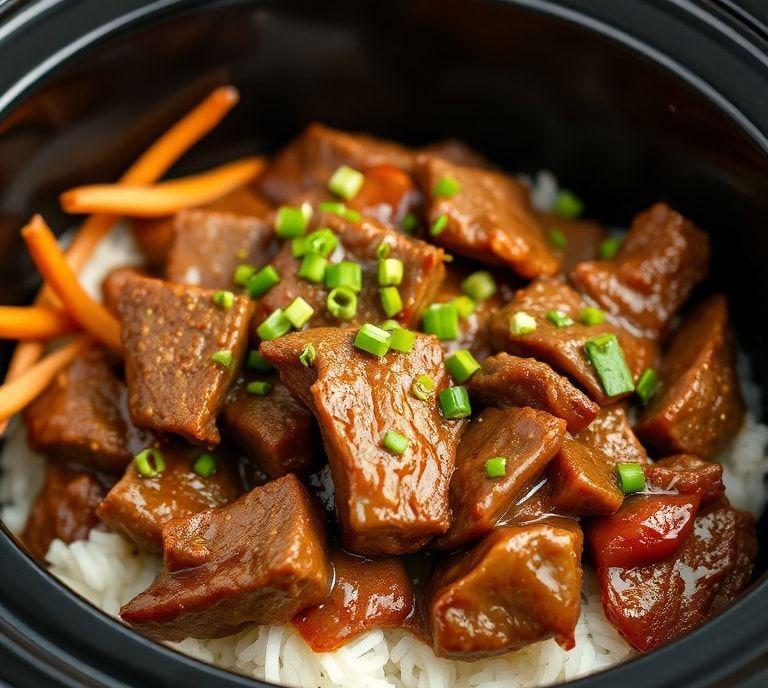
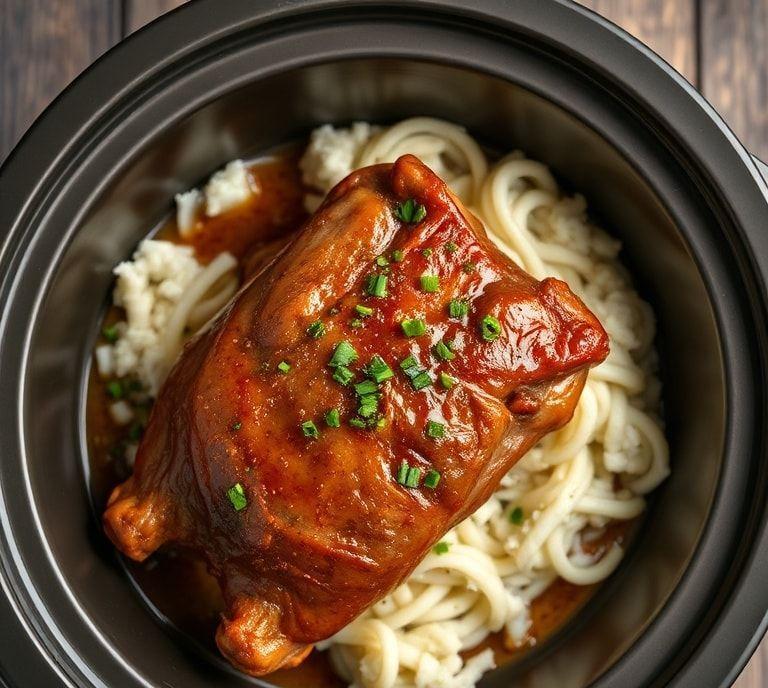
- Comfort-food deluxe: Shred the beef and serve it over mashed potatoes, rice, or buttered noodles.
- Sandwich night: Shred the roast, pile it on crusty rolls, melt some cheese on top, and serve with au jus for dipping.
- Vegetable boost: Add green beans, peas, or kale in the last 30 minutes of cooking for extra nutrition and color.
FAQs
What Is The Best Cut Of Chuck Roast For Slow Cooking?
The best cut is a well-marbled chuck roast, typically 3 to 4 pounds, which becomes tender and flavorful after slow cooking. Look for cuts labeled ’chuck shoulder’ or “arm roast”.
How Long Should I Cook A Chuck Roast In A Slow Cooker?
Cooking time depends on the setting: 8 to 10 hours on low heat or 5 to 6 hours on high heat. The meat should be fork-tender and easily pull apart.
Do I Need To Sear The Chuck Roast Before Slow Cooking?
Searing is optional but recommended. Browning the meat in a hot skillet before adding it to the slow cooker enhances flavor and develops a richer color in the finished dish.
What Liquids Can I Use In A Slow Cooker Chuck Roast Recipe?
Common options include beef broth, red wine, water, or a combination. Adding liquids ensures the roast stays moist and helps create a flavorful gravy.
Can I Add Vegetables To The Slow Cooker With The Chuck Roast?
Yes. Root vegetables like carrots, potatoes, and onions cook well alongside the roast. Add sturdier vegetables first and softer ones later if cooking on high heat for shorter periods.
How Do I Make A Flavorful Sauce Or Gravy From Slow-cooked Chuck Roast?
Remove the meat and vegetables, then strain the cooking liquid. Simmer the liquid on the stovetop and thicken it with a cornstarch or flour slurry to create a rich gravy.
Can I Freeze A Slow-cooked Chuck Roast?
Yes. After cooking, allow the roast to cool completely, then portion it with vegetables and cooking liquid into airtight containers. Freeze for up to 3 months.
Is It Safe To Cook A Chuck Roast From Frozen In A Slow Cooker?
It is not recommended. Slow cookers may not heat frozen meat quickly enough, potentially leaving it in the bacterial danger zone. Thaw the roast in the refrigerator before cooking.
What Seasonings Work Best With A Slow Cooker Chuck Roast?
Classic seasonings include salt, black pepper, garlic, thyme, rosemary, and bay leaves. Paprika, onion powder, or Worcestershire sauce can also enhance flavor.
How Do I Prevent The Chuck Roast From Drying Out In A Slow Cooker?
Ensure there is enough liquid to cover at least half the roast, avoid lifting the lid frequently, and cook on low for longer periods rather than high for shorter periods. Using a meat thermometer to check for doneness helps prevent overcooking.