Healthy Lentil Soup Slow Cooker Recipe (Guide)
There’s something incredibly comforting about a warm bowl of soup, especially when it’s packed with nutrients, flavor, and a touch of homey goodness. Lentil soup is one of those magical recipes that manages to feel hearty and healthy at the same time, and when you make it in a slow cooker, it becomes nearly effortless. Imagine walking into your kitchen after a busy day to find the savory aroma of simmering lentils, vegetables, and herbs greeting you-it’s the kind of comfort food that feeds both body and soul.
The beauty of lentil soup isn’t just in its taste. Lentils are nutritional powerhouses: they’re rich in plant-based protein, fiber, iron, and folate. This means a single bowl can help keep you full, support digestion, and even boost heart health. Making it in a slow cooker takes all the guesswork out of cooking; you throw in your ingredients, let them mingle and develop deep flavors over hours, and come back to a soup that tastes like it simmered for days.
In this guide, I’ll walk you through a healthy slow cooker lentil soup recipe that’s simple, versatile, and perfect for anyone looking to eat well without spending hours in the kitchen. We’ll cover ingredients, step-by-step instructions, helpful swaps, tips, and ways to customize it so you can make it your own.
Healthy Lentil Soup Slow Cooker Recipe
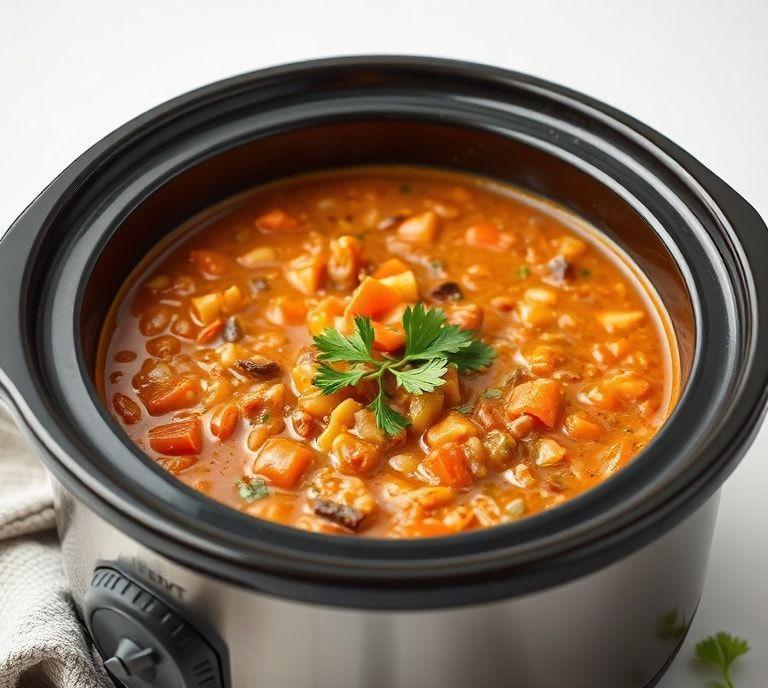
This slow cooker lentil soup is a vibrant, hearty, and wholesome meal designed to maximize flavor without adding unnecessary fats or sodium. It’s filled with:
- Nutritious vegetables for texture and color
- Protein-rich lentils to keep you full and satisfied
- Aromatic herbs and spices to elevate the flavors naturally
It’s perfect as a main course with a slice of whole-grain bread, or as a light, nourishing lunch. Plus, it stores beautifully in the fridge and freezes well, making it a fantastic option for meal prep.
Ingredient List
Here’s everything you’ll need to make this delicious soup. I’ve broken it down by category for easy reference:
Lentils & Legumes
- 1 ½ cups dried brown or green lentils, rinsed and sorted
Vegetables
- 2 medium carrots, diced
- 2 celery stalks, diced
- 1 medium onion, finely chopped
- 3 cloves garlic, minced
- 1 cup diced tomatoes (fresh or canned)
Liquids
- 6 cups low-sodium vegetable broth or water
Herbs & Spices
- 1 teaspoon ground cumin
- 1 teaspoon smoked paprika
- ½ teaspoon turmeric (optional, for warmth and color)
- 1 teaspoon dried thyme or 1 tablespoon fresh thyme
- 1 bay leaf
- Salt and black pepper to taste
Optional Add-ins
- 1 cup chopped spinach or kale (added near the end)
- ½ teaspoon red pepper flakes (for a bit of heat)
Instruction Guide
Cooking lentil soup in a slow cooker is delightfully simple, but the trick is to layer flavors properly. Here’s a step-by-step guide:
- Prep the vegetables: Dice carrots, celery, onion, and garlic. It’s best if all pieces are uniform in size so they cook evenly.
- Rinse the lentils: Sorting through your lentils to remove any small stones or debris is crucial. Rinse thoroughly under cold water.
- Layer the slow cooker: Start with the vegetables at the bottom, then add the lentils, tomatoes, and spices. Pour the vegetable broth over everything.
- Cook low and slow: Cover and cook on low for 6-8 hours or high for 3-4 hours. Lentils should be tender, and the flavors should be melded.
- Season and adjust: Taste your soup about 30 minutes before serving. Add salt, pepper, or more spices as needed. Remove the bay leaf.
- Optional greens: If adding spinach or kale, stir them in during the last 10-15 minutes of cooking. They’ll wilt perfectly without losing their nutrients.
- Serve: Ladle into bowls, drizzle with a little olive oil if desired, and enjoy with warm bread or a side salad.
Ingredient Swaps
Life happens, and sometimes you don’t have every ingredient. No worries! Here are some easy swaps:
- Lentils: Red or yellow lentils can work, but they cook faster and may break down more, creating a creamier texture.
- Vegetables: Sweet potatoes, zucchini, or bell peppers can replace or complement the carrots and celery.
- Broth: Chicken or beef broth works if you’re not vegetarian, but reduce added salt if using regular versions.
- Herbs & spices: Oregano, basil, or rosemary can substitute thyme. Curry powder can replace cumin for a different flavor profile.
Helpful Tips
Here are a few tricks to make your soup turn out perfectly every time:
- Don’t overfill your slow cooker: Lentils expand as they cook, so leave some space.
- Layer flavors: Adding garlic and spices at the beginning allows them to infuse the entire soup.
- Check liquid levels: Slow cookers vary; add extra broth or water if it looks too thick.
- Taste frequently near the end: Lentils absorb a lot of seasoning, so adjust salt and spices before serving.
- Storage: Soup thickens as it cools. Reheat with a splash of broth or water for perfect consistency.
Customization Ideas
Want to make this soup uniquely yours? Try these ideas:
- Add protein: Toss in cooked shredded chicken or turkey, or a can of chickpeas for extra protein.
- Make it spicy: Add red chili flakes, a diced jalapeño, or a dash of hot sauce.
- Creamy variation: Stir in a bit of coconut milk or Greek yogurt before serving.
- Herb explosion: Finish with fresh parsley, cilantro, or dill for bright flavor.
- Texture tweak: Use an immersion blender on half the soup to create a creamy yet chunky consistency.
FAQs
Can I Use Any Type Of Lentils In A Slow Cooker Lentil Soup?
Yes, you can use various types of lentils such as brown, green, red, or yellow. However, cooking times may vary slightly. Red lentils cook faster and tend to break down more, resulting in a creamier texture, while brown or green lentils hold their shape better.
Do I Need To Soak Lentils Before Adding Them To The Slow Cooker?
No, lentils do not require soaking like other legumes. They cook well directly in the slow cooker, though rinsing them under cold water to remove debris or dust is recommended.
How Long Should I Cook Lentil Soup In A Slow Cooker?
Typically, lentil soup can be cooked on low heat for 6 to 8 hours or on high heat for 3 to 4 hours. The soup is ready when lentils are tender and flavors are well combined.
Can I Add Vegetables Like Spinach Or Kale To The Soup?
Yes, leafy greens like spinach, kale, or Swiss chard can be added. It is best to add them in the last 15 to 30 minutes of cooking to preserve their nutrients and color.
How Can I Make The Soup More Flavorful Without Adding Extra Salt?
You can enhance flavor by adding aromatic vegetables such as onions, garlic, carrots, and celery, as well as herbs and spices like thyme, cumin, coriander, and bay leaves. A splash of lemon juice or vinegar at the end can also brighten the taste.
Is It Possible To Make This Soup Vegan Or Vegetarian?
Yes, this recipe is naturally vegan and vegetarian if you use vegetable broth instead of chicken or beef broth. You can also include plant-based protein additions like tofu or tempeh if desired.
Can I Freeze Leftover Lentil Soup?
Absolutely. Lentil soup freezes well. Allow it to cool completely, store it in airtight containers, and freeze for up to 3 months. Thaw in the refrigerator overnight and reheat gently on the stovetop or in the microwave.
Should I Use Water Or Broth As The Cooking Liquid?
Using vegetable or chicken broth adds more depth and richness to the soup compared to water. However, water can be used if you prefer a lighter flavor or want to control sodium content.
Can I Make A Thick Lentil Soup Or A More Brothy Version?
Yes, adjust the liquid-to-lentil ratio based on your preference. For a thick, hearty soup, use less liquid. For a lighter, brothier soup, increase the amount of liquid. You can also partially blend some of the soup at the end for a creamy consistency without cream.
Are There Tips For Preventing Lentils From Overcooking In A Slow Cooker?
To prevent overcooking, avoid using very high heat settings for extended periods. Follow recommended cooking times and add delicate ingredients like leafy greens or pasta near the end of cooking. If using a slow cooker that tends to run hot, check the soup an hour before the minimum cooking time.