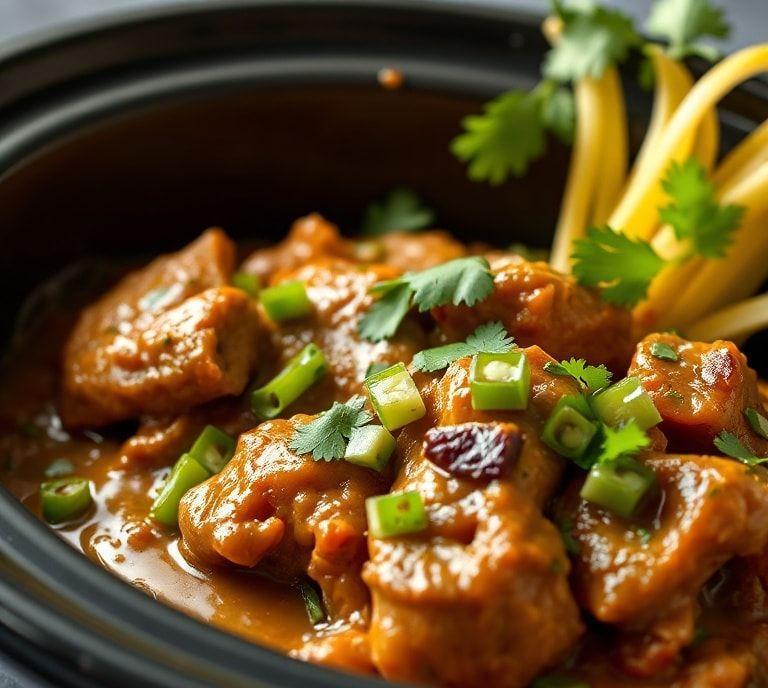
Kare Kare Slow Cooker Recipe (Guide)
Ah, Kare-Kare-the quintessential Filipino comfort food. If you’ve ever tasted it, you know it’s more than just a stew; it’s a rich, velvety, peanut-based masterpiece that seems to hug your soul with every bite. Traditionally, it’s a labor of love, simmered for hours to tender perfection on the stovetop, with oxtail, tripes, and a medley of vegetables. But here’s the magic: with a slow cooker, you can transform this culinary tradition into a hands-off, ’set it and forget it’ experience that fits into even the busiest of schedules.
In this guide, I’m going to walk you through every step-from ingredients and instructions to swaps, tips, and creative twists-so you can master Kare-Kare without breaking a sweat. Whether you’re a Filipino food aficionado or just looking to experiment with global flavors, this slow cooker version will be your new go-to.
Kare Kare Slow Cooker Recipe
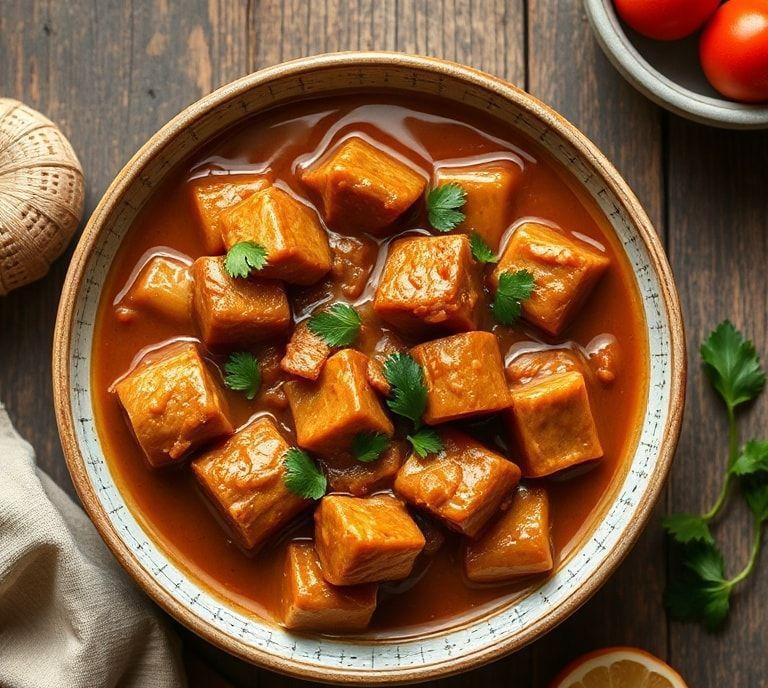
Making Kare-Kare in a slow cooker is all about layering flavors gradually while letting the ingredients do the heavy lifting. The slow cooker’s gentle heat transforms tough cuts of meat into melt-in-your-mouth tenderness and allows the peanut sauce to develop deep, nutty richness.
Here’s what you’ll need and how to make it unforgettable:
Ingredient List
For The Meat And Broth
- 2 lbs oxtail, cut into chunks (you can also use beef shank or short ribs)
- 1 lb pork hock (optional, for extra gelatinous richness)
- 6 cups beef broth or water
- 1 medium onion, chopped
- 6 cloves garlic, minced
- 2 tbsp fish sauce (patis) for depth
- 1 tsp ground black pepper
For The Peanut Sauce
- 1 cup peanut butter (smooth or chunky depending on preference)
- 3 tbsp toasted rice powder (helps thicken and adds authenticity)
- 2-3 tbsp annatto oil (for that signature orange color)
- 1 tbsp soy sauce (optional, for added umami)
Vegetables
- 1 cup eggplant, sliced into 2-inch chunks
- 1 cup string beans, cut into 2-inch pieces
- 1 cup bok choy or pechay
- 1 banana flower (optional, pre-soaked in water to reduce bitterness)
For Serving
- Steamed white rice (mandatory, no arguments)
- Bagoong alamang (fermented shrimp paste, a must-have condiment)
Instruction Guide
-
Prep The Meat
- Blanch oxtail and pork hock in boiling water for 5 minutes to remove impurities. Drain and rinse.
- Pat dry and lightly season with salt and pepper.
-
Slow Cooker Setup
- Place the meat in the slow cooker.
- Add chopped onion, garlic, fish sauce, and beef broth.
- Cook on low for 8-10 hours (or high for 5-6 hours) until the meat is tender and gelatinous.
-
Prepare The Peanut Sauce
- In a bowl, combine peanut butter, toasted rice powder, annatto oil, and soy sauce.
- Once the meat is tender, remove 1 cup of the cooking liquid and mix it with the peanut mixture to create a smooth sauce.
- Pour this sauce back into the slow cooker, stirring gently to combine.
-
Add Vegetables
- About 30 minutes before serving, add eggplant, string beans, and bok choy.
- Continue cooking until vegetables are just tender but still vibrant.
-
Final Touches
- Taste and adjust seasoning with fish sauce, salt, or pepper as needed.
- Serve hot with steamed rice and a side of bagoong alamang.
Ingredient Swaps
-
Meat Variations
- Short ribs or brisket can replace oxtail for easier availability.
- Chicken thighs offer a lighter, faster-cooking option.
-
Peanut Alternatives
- Cashew butter or almond butter can work if peanut allergy is a concern, though flavor will differ slightly.
-
Vegetable Options
- Swap bok choy with kale or spinach.
- Green beans can replace string beans.
-
Broth Substitutes
- Vegetable broth works for a lighter, less meaty version.
- Coconut milk (added at the end) can add richness for a tropical twist.
Helpful Tips
- Skim the Fat: Oxtail releases a lot of fat; skim periodically for a cleaner broth.
- Annatto Oil Shortcut: If you don’t have annatto seeds, a few drops of paprika can provide color.
- Thickening Trick: Toasted rice powder is traditional, but cornstarch mixed with water works in a pinch.
- Timing the Veggies: Add them last to avoid mushiness; slow cookers can turn delicate vegetables into mush if cooked too long.
Customization Ideas
- Spicy Kare-Kare: Add chopped chili peppers or a dash of cayenne to the peanut sauce.
- Seafood Kare-Kare: Shrimp or crab can be added at the very end for a coastal variation.
- Vegetarian Version: Use tofu or tempeh and vegetable broth, with plenty of peanut butter to maintain richness.
- Slow Cooker Meal Prep: Double the recipe, freeze half, and have authentic Kare-Kare ready whenever you crave it.
FAQs
What Is Kare Kare And Why Is It Popular?
Kare kare is a traditional Filipino stew known for its rich peanut sauce, typically made with oxtail, vegetables, and sometimes seafood. It is popular because of its unique combination of flavors, creamy texture, and cultural significance in Filipino cuisine.
Can I Use A Slow Cooker To Make Kare Kare?
Yes, using a slow cooker allows the meat to become tender over several hours while slowly infusing the peanut sauce with flavor. It simplifies the cooking process and reduces the need for constant supervision compared to stovetop methods.
What Cuts Of Meat Work Best For Slow Cooker Kare Kare?
Oxtail is traditional, but beef short ribs, tripe, or pork hocks can also be used. The key is to choose cuts that become tender and flavorful after long, slow cooking.
Can I Make A Vegetarian Version Of Kare Kare In A Slow Cooker?
Yes, you can substitute meat with hearty vegetables such as eggplant, string beans, squash, and mushrooms. You can also use tofu or tempeh to maintain protein content while keeping the dish vegetarian-friendly.
How Do I Prevent The Peanut Sauce From Separating In A Slow Cooker?
To prevent separation, use creamy peanut butter and add it gradually towards the end of the cooking process. Stir the sauce well and avoid overcooking after adding the peanut butter to maintain a smooth consistency.
What Vegetables Are Commonly Added To Slow Cooker Kare Kare?
Traditional vegetables include eggplant, string beans, banana blossoms, and bok choy. These vegetables are added towards the last hour of cooking to maintain texture and color.
Do I Need To Brown The Meat Before Adding It To The Slow Cooker?
Browning the meat is optional but recommended. Searing the meat beforehand enhances the depth of flavor and gives the stew a richer color, though the slow cooker will still tenderize the meat effectively.
How Long Should I Cook Kare Kare In A Slow Cooker?
Cooking times vary depending on the meat used, but generally, kare kare should cook on low heat for 6-8 hours or on high heat for 4-5 hours. The meat should be tender and easily pull apart with a fork.
Can I Make Kare Kare Ahead Of Time And Reheat It?
Yes, kare kare often tastes better the next day as the flavors continue to meld. Store in an airtight container in the refrigerator for up to 3-4 days and reheat gently over low heat or in the microwave, stirring occasionally.
What Are Some Common Serving Suggestions For Slow Cooker Kare Kare?
Kare kare is traditionally served with steamed white rice and bagoong (fermented shrimp paste) on the side. You can also garnish with sautéed garlic, crushed peanuts, or a squeeze of calamansi for added flavor.