Moose Roast Slow Cooker Recipe (Guide)
If you’ve never tried moose meat, you’re in for a culinary adventure that’s both hearty and incredibly flavorful. Moose is a lean game meat with a slightly sweet, earthy taste that pairs beautifully with slow-cooked recipes. Unlike beef, it’s much lower in fat, which means it needs gentle cooking to stay tender and juicy.
Using a slow cooker is a game-changer for moose roast-it allows the meat to slowly absorb flavors while breaking down naturally, giving you a melt-in-your-mouth texture without the stress of constant monitoring. Whether you’re a seasoned hunter looking to turn your catch into a gourmet meal or just a curious foodie wanting something unique, this recipe is designed to make your moose roast unforgettable.
By the end of this guide, you’ll not only have a foolproof method for cooking moose roast but also tips for tweaking flavors, substituting ingredients, and making this dish your own culinary masterpiece. Let’s dive in!
Moose Roast Slow Cooker Recipe
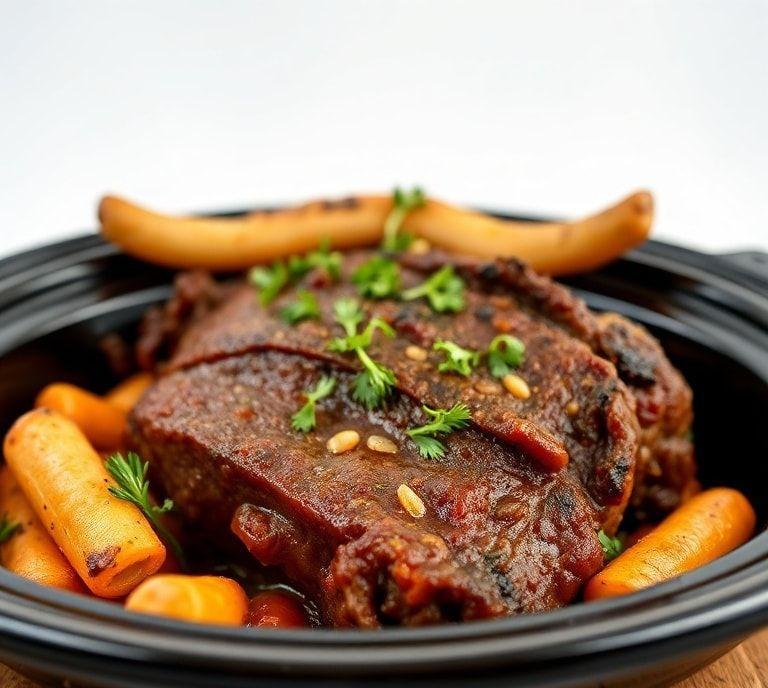
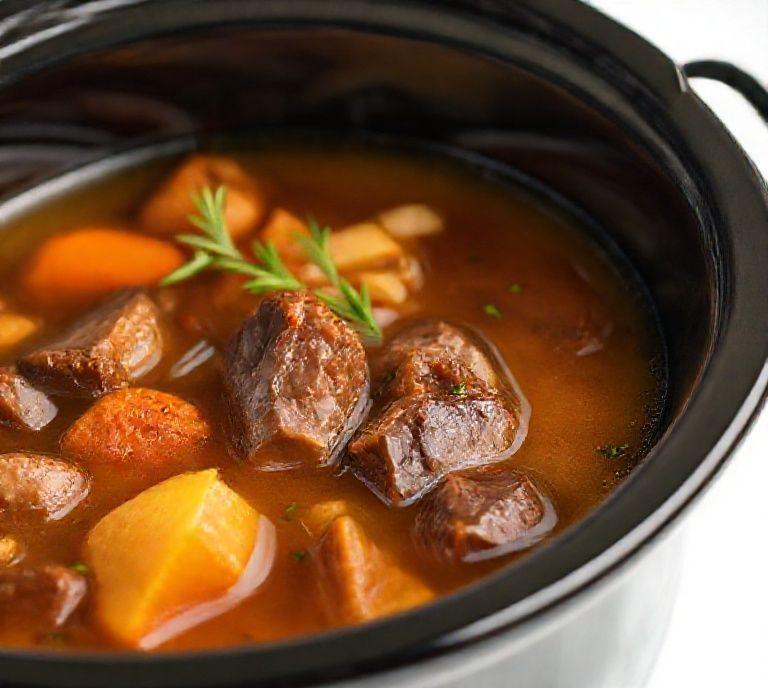
Cooking a moose roast in a slow cooker is like giving it a luxurious spa day-it emerges tender, flavorful, and ready to impress. This recipe balances rich, earthy flavors with a touch of sweetness and acidity, ensuring that every bite is packed with depth.
- Cooking Method: Low and slow
- Cooking Time: 8-10 hours on low, or 5-6 hours on high
- Serving Size: Typically serves 6-8, depending on roast size
The slow cooker allows you to infuse the moose roast with a medley of aromatics and liquids without the risk of overcooking. You’ll get a juicy, tender roast that practically falls apart, perfect for hearty family dinners or a special occasion.
Ingredient List
Here’s everything you’ll need to make this moose roast unforgettable:
- Moose Roast: 3-4 pounds, preferably from the shoulder or round
-
Vegetables
- 4 large carrots, peeled and chopped
- 4 celery stalks, chopped
- 1 large onion, quartered
- 4 medium potatoes, cubed (optional, but adds heartiness)
-
Liquids
- 2 cups beef or vegetable broth
- 1 cup red wine (or more broth if you prefer no alcohol)
-
Aromatics & Flavorings
- 3 cloves garlic, minced
- 2 tablespoons tomato paste
- 2 teaspoons Worcestershire sauce
- 2 teaspoons fresh thyme or 1 teaspoon dried thyme
- 1 teaspoon rosemary
- 1 bay leaf
- Salt and pepper to taste
-
Thickening & Finishing
- 2 tablespoons cornstarch (optional, for gravy)
- 2 tablespoons cold water (for mixing with cornstarch)
Instruction Guide
Cooking a moose roast in a slow cooker is easy, but a few key steps make all the difference:
-
Prep The Moose Roast
- Pat your moose roast dry with paper towels to help it sear better.
- Season generously with salt and pepper on all sides.
-
Sear The Meat (Optional But Recommended)
- Heat 1-2 tablespoons of oil in a large skillet over medium-high heat.
- Brown the roast on all sides for 3-4 minutes per side. This step locks in flavor and adds richness to the final dish.
-
Prepare The Vegetables
- Layer carrots, celery, onions, and potatoes (if using) at the bottom of the slow cooker.
- Place the seared moose roast on top.
-
Mix The Liquid & Aromatics
- In a separate bowl, combine broth, red wine, garlic, tomato paste, Worcestershire sauce, thyme, rosemary, and bay leaf.
- Pour the mixture over the roast and vegetables.
-
Slow Cook
- Cover and cook on low for 8-10 hours, or on high for 5-6 hours.
- The roast is done when it is fork-tender and the juices run clear.
-
Make Gravy (Optional)
- Remove the roast and vegetables.
- Mix 2 tablespoons cornstarch with 2 tablespoons cold water and stir into the cooking liquid.
- Heat until thickened, then serve alongside the roast.
Ingredient Swaps
Sometimes you need a substitution, either due to availability or personal preference. Here are some ideas:
-
Liquid Substitutions
- Use apple cider, cranberry juice, or a mixture of beef broth and balsamic vinegar instead of red wine.
-
Vegetables
- Parsnips, turnips, or sweet potatoes work well in place of carrots or regular potatoes.
-
Aromatics
- If fresh herbs aren’t available, dried herbs can be used, just reduce quantity by half.
- Garlic powder can replace fresh garlic, but use sparingly.
-
Thickening
- Flour or arrowroot can be used instead of cornstarch for gravy.
Helpful Tips
To make your moose roast truly spectacular:
- Don’t skip searing: It locks in flavor and adds a rich, savory crust.
- Use low and slow cooking: Moose meat is lean and can dry out quickly. Slow cooking keeps it tender.
- Check seasoning before serving: Slow cooking can mellow flavors; adjust salt, pepper, and herbs to taste.
- Let it rest: Once cooked, allow the roast to rest for 10-15 minutes before slicing.
Customization Ideas
Make this moose roast uniquely yours with a few creative twists:
- Savory Sweet: Add a splash of maple syrup or honey to the cooking liquid for a subtle sweetness.
- Spicy Kick: Incorporate crushed red pepper or smoked paprika for a warming depth.
- Herbaceous Variation: Experiment with sage, marjoram, or tarragon for a different herbal profile.
- Mushroom Lovers: Add sliced mushrooms halfway through cooking for earthy umami richness.
FAQs
What Cut Of Moose Is Best For A Slow Cooker Roast?
The best cuts for a moose roast in a slow cooker are typically tougher, lean cuts such as shoulder, chuck, or round. These cuts benefit from slow, moist cooking methods, which break down connective tissue and result in tender, flavorful meat.
How Long Should I Cook A Moose Roast In A Slow Cooker?
Cooking times vary depending on the size of the roast. Generally, a 3-5 pound moose roast should be cooked on low for 8-10 hours or on high for 5-6 hours. The meat should be fork-tender and easily pull apart when done.
Do I Need To Sear A Moose Roast Before Placing It In The Slow Cooker?
Searing is optional but recommended. Browning the roast in a hot skillet before slow cooking adds depth of flavor through the Maillard reaction and can enhance the overall taste and appearance of the dish.
What Liquid Should I Use In A Slow Cooker Moose Roast Recipe?
Common liquids include beef broth, vegetable broth, wine, beer, or a combination of these. You can also add a small amount of water or tomato-based sauces. The liquid helps maintain moisture and contributes to the richness of the cooking juices.
How Can I Make A Moose Roast More Tender In The Slow Cooker?
To ensure tenderness, cook the roast slowly on low heat, add enough liquid to partially submerge the meat, and avoid lifting the lid frequently. Marinating the meat before cooking or adding acidic ingredients like vinegar, wine, or citrus juice can also help break down muscle fibers.
What Vegetables Pair Well With A Slow Cooker Moose Roast?
Root vegetables such as carrots, potatoes, parsnips, and turnips complement moose roast well. Onions, celery, and mushrooms are also excellent choices. Add vegetables about halfway through cooking if you prefer them firmer.
Can I Cook A Frozen Moose Roast In A Slow Cooker?
It is not recommended to cook frozen meat in a slow cooker because it may stay in the temperature danger zone too long, increasing the risk of bacterial growth. Thaw the roast completely in the refrigerator before slow cooking.
How Do I Make A Gravy Or Sauce From Slow-cooked Moose Roast Drippings?
After cooking, remove the meat and vegetables. Strain the liquid and place it in a saucepan. Thicken with a slurry made from cornstarch or flour mixed with cold water. Simmer until it reaches the desired consistency and adjust seasoning to taste.
What Seasonings Work Best For A Moose Roast In A Slow Cooker?
Traditional seasonings include salt, black pepper, garlic, thyme, rosemary, bay leaves, and paprika. You can also experiment with juniper berries, allspice, or a splash of Worcestershire sauce to enhance the natural flavor of the meat.
How Should I Store Leftover Moose Roast Cooked In A Slow Cooker?
Allow the roast and vegetables to cool slightly, then store them in airtight containers in the refrigerator for up to 3-4 days. For longer storage, freeze portions for up to 3 months, ensuring the meat is covered with some of the cooking liquid to prevent drying.