Pioneer Woman Slow Cooker Lasagna Recipe (Guide)
Let’s talk comfort food that makes your house smell like heaven: lasagna. But not just any lasagna-Pioneer Woman Slow Cooker Lasagna. Now, imagine layers of tender pasta, rich tomato sauce, creamy cheese, and perfectly seasoned meat, all cooked slowly in your crockpot while you go about your day. Sounds like a dream, right? The beauty of the slow cooker is that it takes all the stress out of lasagna preparation. You don’t have to boil noodles, watch the oven like a hawk, or worry about burning cheese. The result? A gooey, flavorful masterpiece that tastes like it came from a professional kitchen, but with minimal effort.
Whether you’re feeding a crowd, planning a cozy family dinner, or just want leftovers that improve with time, this recipe is a lifesaver. Let’s dive in and explore how to make this comforting classic with a Pioneer Woman twist.
Pioneer Woman Slow Cooker Lasagna Recipe
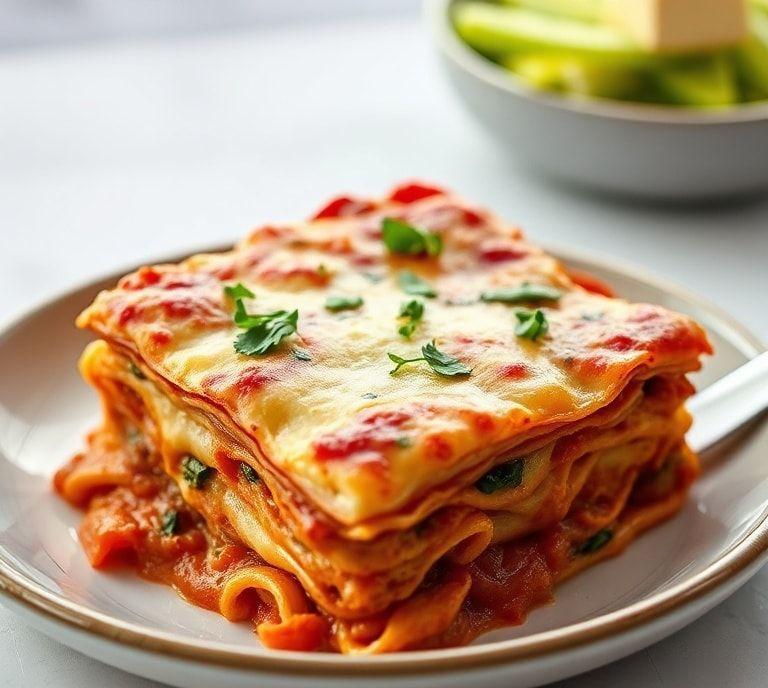
This recipe embodies Ree Drummond’s signature style: hearty, homey, and absolutely satisfying. The slow cooking process allows flavors to meld together beautifully, and the noodles absorb just the right amount of sauce to stay tender without turning mushy. It’s practically a hug in a dish.
Ingredient List
Here’s what you’ll need to get started. I’ll break it down into categories so it’s super easy to shop and prep:
Meat & Protein
- 1 pound ground beef (you can also use half beef, half Italian sausage for extra flavor)
- 1/2 teaspoon salt
- 1/4 teaspoon black pepper
Pasta & Layers
- 8-10 no-boil lasagna noodles (or regular noodles, pre-cooked)
Cheese Mixture
- 15 ounces ricotta cheese
- 1 large egg
- 2 cups shredded mozzarella cheese
- 1/2 cup grated Parmesan cheese
- 1 teaspoon garlic powder
- 1 teaspoon dried Italian herbs (basil, oregano, thyme mix)
Sauce
- 24 ounces marinara sauce (store-bought or homemade)
- 1/2 teaspoon crushed red pepper flakes (optional, for a little kick)
- 1 small onion, finely chopped
- 2 cloves garlic, minced
Optional Garnish
- Fresh basil leaves
- Extra shredded mozzarella or Parmesan
Instruction Guide
Now comes the fun part: assembling your lasagna in a slow cooker. Follow these steps for guaranteed success:
-
Cook The Meat
- Heat a skillet over medium heat.
- Add ground beef and onion, cook until browned.
- Stir in garlic, salt, pepper, and any optional spices.
- Drain excess fat and set aside.
-
Mix The Cheese Filling
- In a medium bowl, combine ricotta, egg, 1 cup of mozzarella, Parmesan, garlic powder, and Italian herbs.
- Stir until smooth and creamy.
-
Prepare The Slow Cooker
- Spray the bottom and sides with nonstick cooking spray.
- Spread a thin layer of marinara sauce on the bottom to prevent sticking.
-
Assemble The Layers
- Place a layer of lasagna noodles (break them if needed to fit).
- Spread a layer of the ricotta mixture.
- Add a layer of cooked meat.
- Spoon a layer of marinara sauce.
- Repeat layers until ingredients are used, finishing with sauce and a sprinkle of mozzarella on top.
-
Cook
- Cover with the lid and cook on low for 4-5 hours or high for 2-3 hours.
- Check halfway through to ensure noodles aren’t sticking; gently add a little water if needed.
-
Serve
- Let lasagna sit for 10-15 minutes after cooking.
- Garnish with fresh basil and extra cheese. Slice and serve warm.
Ingredient Swaps
Don’t stress if you don’t have exactly what the recipe calls for. Here are some swaps that work beautifully:
- Ground beef: Italian sausage, turkey, chicken, or plant-based meat substitute
- Ricotta cheese: Cottage cheese or cream cheese for a tangier, creamier texture
- Mozzarella: Provolone or fontina
- Marinara sauce: Tomato sauce with herbs, roasted red pepper sauce, or even a creamy Alfredo for a white lasagna twist
- Lasagna noodles: Gluten-free noodles, zucchini or eggplant slices for a low-carb option
Helpful Tips
To make your slow cooker lasagna foolproof, keep these tips in mind:
- Noodles first: Always layer a thin sauce at the bottom to prevent sticking.
- Even layers: Distribute ingredients evenly to ensure every bite has noodles, meat, and cheese.
- Avoid overcooking: Too long can make noodles mushy. Check at the minimum cook time.
- Cheese topping: Add the final cheese layer in the last 30 minutes for a melty, golden top.
- Let it rest: Allowing it to cool slightly before slicing keeps layers intact.
Customization Ideas
Want to make this recipe your own? Here are some fun twists:
- Vegetarian: Replace meat with sautéed mushrooms, spinach, zucchini, or a mix of roasted vegetables.
- Spicy: Add crushed red pepper or spicy Italian sausage for a kick.
- Herbal upgrade: Fresh basil, oregano, or thyme layered into cheese mixture for extra flavor.
- Cheese overload: Mix in different cheeses like gouda, fontina, or pepper jack for a unique twist.
- Individual servings: Use mini slow cookers or ramekins for personal-sized lasagnas.
FAQs
What Ingredients Are Needed For The Pioneer Woman Slow Cooker Lasagna?
The recipe typically calls for lasagna noodles, ricotta cheese, shredded mozzarella cheese, grated Parmesan cheese, ground beef or Italian sausage, onion, garlic, crushed tomatoes or marinara sauce, eggs, salt, pepper, Italian seasoning, and fresh basil or parsley for garnish.
Can I Use No-boil Lasagna Noodles In This Slow Cooker Recipe?
Yes, no-boil lasagna noodles can be used. They work well because the slow cooker provides enough liquid to soften the noodles during the cooking process. You may need to slightly adjust the layering to ensure even coverage with sauce.
How Long Does It Take To Cook The Lasagna In A Slow Cooker?
Cooking time is usually around 3 to 4 hours on low heat. Cooking on high is not recommended as it may cause the noodles to overcook or the cheese to separate. It is important to cover the slow cooker tightly to retain moisture.
Can I Prepare This Lasagna Ahead Of Time And Refrigerate Before Cooking?
Yes, you can assemble the lasagna a few hours ahead and keep it refrigerated until ready to cook. If refrigerated, it may require an additional 30-60 minutes of cooking time in the slow cooker to reach the desired temperature.
Is It Possible To Freeze This Slow Cooker Lasagna?
Yes, you can freeze the lasagna either before or after cooking. If freezing before cooking, layer the ingredients in a freezer-safe container, wrap tightly, and thaw in the refrigerator before slow cooking. If freezing after cooking, allow it to cool completely, then wrap and freeze.
Do I Need To Brown The Meat Before Adding It To The Slow Cooker?
Browning the meat is recommended for enhanced flavor and texture. Cooking it first allows the fat to render and develops a richer taste for the sauce, although it is possible to cook raw meat in the slow cooker, it may release excess liquid and dilute the sauce.
What Type Of Cheese Works Best For This Lasagna?
Ricotta cheese is used for creaminess, mozzarella for melting and stretchiness, and Parmesan for a sharp, salty flavor. For added richness, some recipes incorporate part-skim or whole-milk ricotta, and a mix of shredded mozzarella and provolone cheese.
Can I Make A Vegetarian Version Of This Slow Cooker Lasagna?
Yes, you can replace the meat with vegetables such as zucchini, mushrooms, spinach, or eggplant. Using a tomato-based sauce and layering plenty of cheese and vegetables creates a satisfying vegetarian version without compromising flavor.
How Do I Prevent The Noodles From Sticking Together In The Slow Cooker?
To prevent sticking, ensure each noodle layer is fully covered with sauce, and slightly overlap noodles instead of stacking them directly on top of each other. Lightly greasing the slow cooker with butter or cooking spray before layering also helps.
How Should I Serve And Store Leftovers Of This Lasagna?
Once cooked, let the lasagna rest for 10-15 minutes before slicing to help it set. Leftovers can be stored in an airtight container in the refrigerator for 3-4 days or frozen for up to 2-3 months. Reheat in the oven or microwave until warmed through.