Pork Stew Slow Cooker Recipe (Guide)
If you’re looking for a dish that wraps you in warmth, comfort, and a tantalizing aroma that fills your kitchen for hours, then slow cooker pork stew is an absolute champion. Picture this: tender chunks of pork, vegetables infused with savory broth, and herbs that slowly release their flavor until everything becomes one harmonious, hearty dish. The beauty of slow cooker recipes lies not only in the depth of flavor but also in the effortless convenience. You prep in minutes, let the slow cooker do the magic, and return hours later to a bubbling, soul-satisfying meal. Perfect for busy weeknights, lazy weekends, or even meal prepping for the week ahead.
This pork stew isn’t just food-it’s a cozy hug on a plate, a dish that gets better the longer it simmers, and a recipe that invites experimentation and personalization. Ready to dive into the ultimate slow cooker pork stew experience? Let’s break it down step by step.
Pork Stew Slow Cooker Recipe
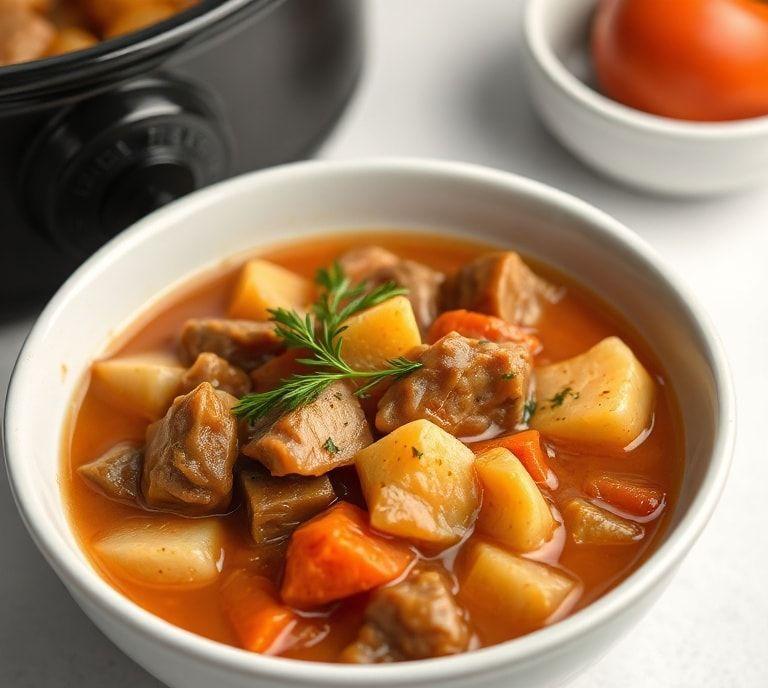
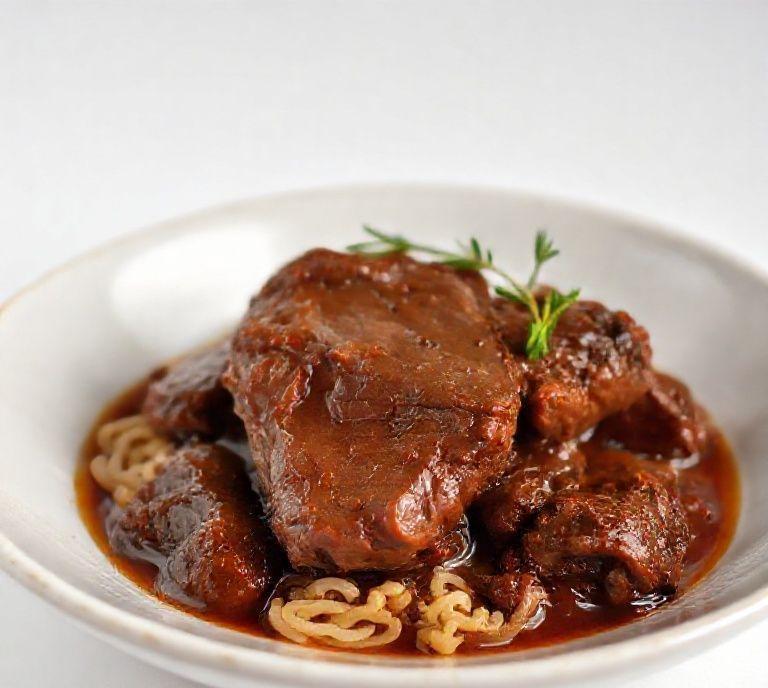
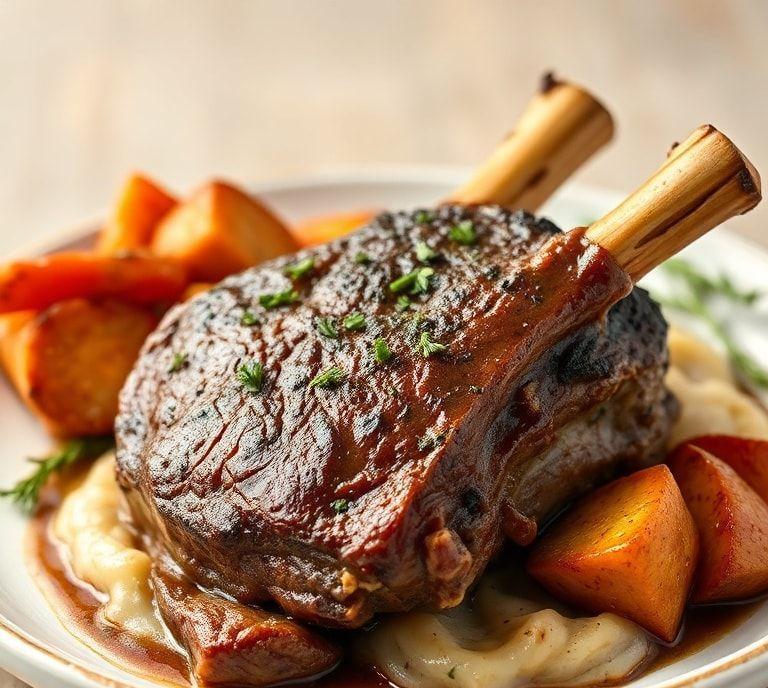
This recipe is all about simplicity meeting rich, layered flavor. We’re talking juicy pork, hearty vegetables, and a broth so comforting you might just consider making it a weekly ritual. Using a slow cooker ensures each ingredient melds perfectly, resulting in tender pork that practically melts in your mouth and vegetables that soak up every drop of flavor.
Whether you’re new to slow cooking or a seasoned pro, this recipe is designed to be flexible, forgiving, and completely delicious. You’ll come out with a stew that tastes like you spent all day laboring over it, even if you only spent 10-15 minutes prepping.
Ingredient List
Here’s everything you’ll need for this classic, hearty pork stew:
-
Pork
- 2 pounds pork shoulder or pork butt, cut into 1-2 inch cubes (these cuts are ideal for slow cooking; they stay juicy and tender).
-
Vegetables
- 4 medium carrots, peeled and sliced
- 3 medium potatoes, peeled and cubed
- 2 stalks celery, chopped
- 1 large onion, diced
- 3 cloves garlic, minced
-
Liquids & Base
- 4 cups low-sodium chicken or vegetable broth
- 1 cup apple cider (optional, adds a subtle sweetness)
-
Seasonings & Herbs
- 2 teaspoons salt
- 1 teaspoon black pepper
- 1 teaspoon paprika
- 1 teaspoon dried thyme
- 1 teaspoon dried rosemary
- 1 bay leaf
-
Thickening (optional)
- 2 tablespoons cornstarch mixed with 2 tablespoons cold water
Instruction Guide
Here’s how to turn all these ingredients into a rich, mouthwatering pork stew:
-
Prep The Pork
- Pat pork cubes dry with a paper towel. This helps achieve better browning if you choose to sear before slow cooking.
- Optional: In a large skillet, brown the pork cubes in a bit of oil for 3-4 minutes per side. This adds a depth of flavor but isn’t strictly necessary.
-
Prepare The Vegetables
- Chop all vegetables into bite-sized pieces for even cooking.
- Mince the garlic to release its flavor.
-
Layer The Ingredients In The Slow Cooker
- Start with the pork cubes at the bottom.
- Add the onions, carrots, potatoes, and celery.
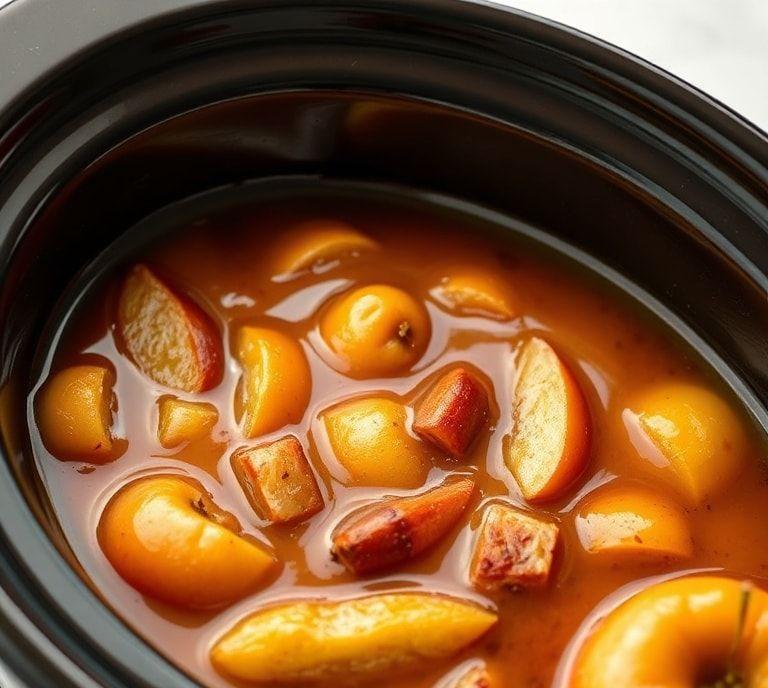
- Pour in the broth and apple cider.
- Sprinkle in all seasonings and add the bay leaf.
-
Cook The Stew
- Cover and cook on low for 7-8 hours or high for 4-5 hours.
- Stir occasionally if possible, though slow cookers do most of the work without intervention.
-
Optional Thickening
- If you prefer a thicker stew, mix cornstarch and water, stir into the stew, and cook on high for an additional 15-20 minutes.
-
Serve & Enjoy
- Remove the bay leaf, taste, and adjust seasoning if needed.
- Ladle into bowls and serve hot with crusty bread or over rice.
Ingredient Swaps
Flexibility is one of the best parts of slow cooker recipes. Here are some swaps you can make:
-
Pork
- Try pork loin if you want a leaner option, though it may not be as tender.
- Chicken thighs can work in a pinch for a lighter stew.
-
Vegetables
- Sweet potatoes instead of regular potatoes for a slightly sweet flavor.
- Parsnips, turnips, or rutabaga for a more earthy taste.
- Peas or green beans can be added in the last 30 minutes for freshness.
-
Liquids
- Beef broth instead of chicken for a richer flavor.
- White wine or beer can replace part of the broth for added complexity.
-
Seasonings
- Fresh herbs instead of dried (double the amount for fresh).
- Smoked paprika for a deeper, smoky profile.
Helpful Tips
- Browning the pork adds a huge flavor boost but is optional.
- Cut vegetables uniformly so they cook evenly.
- Don’t overfill your slow cooker; leave at least an inch of space at the top.
- Taste before serving; slow cookers can sometimes mute seasonings.
- Let it rest for 10 minutes after cooking-it allows flavors to meld further.
Customization Ideas
- Spice it Up: Add a pinch of cayenne or red pepper flakes for heat.
- Creamy Variation: Stir in ½ cup heavy cream or coconut milk for a silky texture.
- Herb Explosion: Fresh parsley, thyme, or rosemary added at the end brightens the stew.
- Grain Bowls: Serve over quinoa, barley, or brown rice for a hearty twist.
- Cheesy Comfort: Top with shredded cheese before serving for extra indulgence.
FAQs
What Cut Of Pork Is Best For A Slow Cooker Pork Stew?
The best cuts for slow cooker pork stew are those with some marbling and connective tissue, such as pork shoulder (also called pork butt) or pork loin. These cuts become tender and flavorful when cooked slowly over several hours.
How Long Should I Cook Pork Stew In A Slow Cooker?
Cooking times vary depending on the slow cooker setting. On low heat, pork stew generally takes 6 to 8 hours, while on high heat, it takes about 3 to 4 hours. Cooking slowly at low heat yields the most tender meat.
Do I Need To Brown The Pork Before Adding It To The Slow Cooker?
Browning the pork before slow cooking is optional but recommended. Searing the meat in a skillet before adding it to the slow cooker enhances flavor and gives the stew a richer color.
Can I Add Vegetables Directly To The Slow Cooker With The Pork?
Yes, most vegetables such as carrots, potatoes, onions, and celery can be added directly. Root vegetables hold up well during long cooking times. Softer vegetables, like peas or zucchini, should be added in the last 30 minutes of cooking to prevent overcooking.
What Liquids Are Best For Slow Cooker Pork Stew?
Common liquids include chicken or beef broth, vegetable stock, and sometimes a splash of wine or apple cider for added flavor. The liquid should cover the ingredients about halfway to two-thirds, as the slow cooker traps moisture and prevents evaporation.
How Can I Thicken The Stew If It’s Too Watery?
To thicken a slow cooker pork stew, you can mix 1-2 tablespoons of cornstarch or flour with cold water and stir it into the stew during the last 30 minutes of cooking. Alternatively, removing the lid for the final 30-60 minutes can allow some liquid to reduce naturally.
Is It Safe To Cook Pork In A Slow Cooker From Frozen?
It is not recommended to cook pork from frozen in a slow cooker. Slow cookers take time to reach a safe temperature, and starting with frozen meat increases the risk of bacteria growth. Thaw the pork in the refrigerator before cooking.
Can I Make A Pork Stew In A Slow Cooker Ahead Of Time?
Yes, slow cooker pork stew can be made ahead. After cooking, allow it to cool, then refrigerate for up to 3 days or freeze for up to 3 months. Reheat gently on the stove or in a slow cooker until piping hot.
How Do I Season Pork Stew For The Best Flavor?
Basic seasonings include salt, black pepper, garlic, thyme, rosemary, and bay leaves. You can also add paprika, cumin, or chili flakes for a spicier flavor. Seasoning in layers-before and during cooking-enhances the depth of taste.
Can I Use A Slow Cooker Liner For Pork Stew?
Yes, slow cooker liners are safe for pork stew and make cleanup easier. Make sure the liner is fitted properly and does not touch the heating element. Do not use a liner with any non-stick coating that could melt under long cooking times.