Short Rib Stew Slow Cooker Recipe (Guide)
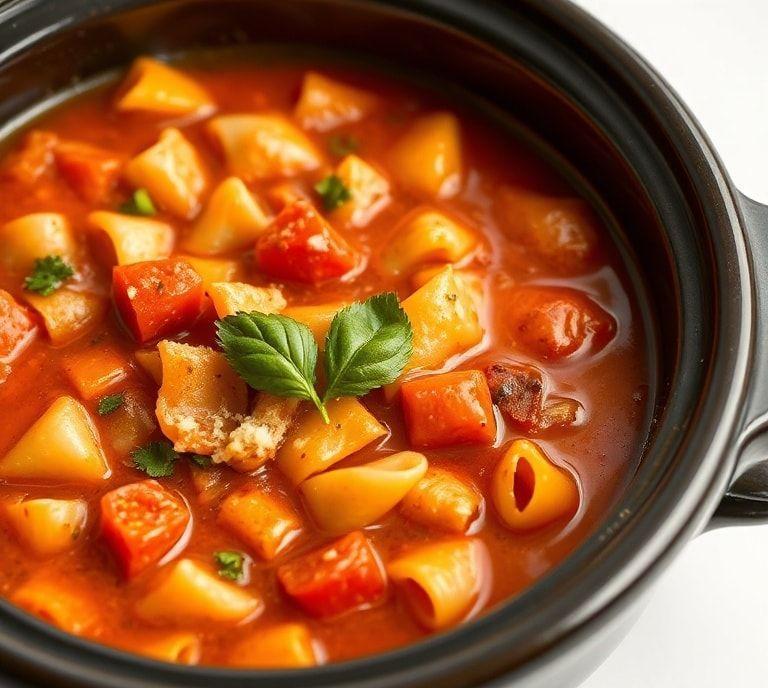
There’s just something magical about a rich, hearty stew simmering away all day long. The aroma fills your kitchen, the flavors deepen with every passing hour, and by the time it’s ready, you’re rewarded with something so comforting it feels like a warm hug in a bowl. That’s exactly what this slow cooker short rib stew delivers.
Short ribs are one of those cuts of beef that transform beautifully with low and slow cooking. They’re full of connective tissue and marbling that, when cooked for hours, break down into melt-in-your-mouth tenderness and add incredible richness to the broth. Combine that with rustic vegetables, herbs, and a touch of red wine, and you’ve got the perfect cozy dinner for chilly nights-or really any night when you want something deeply satisfying with minimal effort.
This isn’t just a recipe; it’s an experience. So let’s break it down step by step, because once you master this, you’ll want to make it again and again.
Short Rib Stew Slow Cooker Recipe
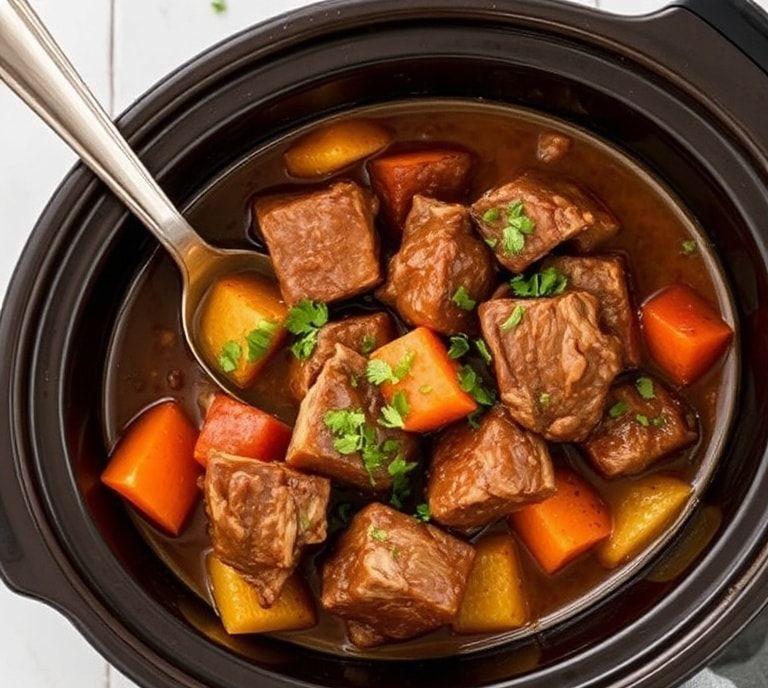
Here’s the high-level picture:
- Cooking time: 8-10 hours on low (or 4-5 on high, though low is always better for tenderness)
- Prep time: 20 minutes
- Skill level: Very beginner-friendly-you mostly let the slow cooker do the heavy lifting
- Yield: Serves 4-6 hearty bowls
This dish is ideal for meal prep, dinner parties, or even freezing in portions for future lazy days.
Ingredient List
Let’s get detailed. Here’s what you’ll need:
For The Stew Base
- 3-4 pounds bone-in beef short ribs (English cut works beautifully)
- 2 tablespoons olive oil (for browning the ribs)
- 1 large yellow onion, diced
- 3-4 carrots, peeled and cut into chunky pieces
- 3 celery stalks, chopped
- 4 garlic cloves, minced
- 2 tablespoons tomato paste
- 1 cup dry red wine (Cabernet or Merlot are great options)
- 4 cups beef broth (low sodium preferred)
- 2 bay leaves
- 2 sprigs fresh rosemary
- 3 sprigs fresh thyme
- 2 tablespoons Worcestershire sauce
- 1 tablespoon balsamic vinegar (adds depth and a touch of sweetness)
For Thickening (optional But Recommended)
- 2 tablespoons cornstarch + 2 tablespoons cold water (slurry)
For Finishing
- Fresh parsley, chopped (garnish)
- Salt and black pepper, to taste
Instruction Guide
Let’s walk through this step by step-because every detail counts when coaxing flavor out of simple ingredients.
-
Sear The Short Ribs
- Heat olive oil in a heavy skillet over medium-high heat.
- Pat the ribs dry with paper towels (this helps them brown properly).
- Season generously with salt and pepper, then sear on all sides until deeply browned.
- Transfer to the slow cooker.
-
Build The Flavor Base
- In the same skillet, sauté onions, carrots, and celery until lightly softened.
- Add garlic and tomato paste, stirring until fragrant (about 2 minutes).
- Deglaze with red wine, scraping up all those golden brown bits from the pan.
-
Transfer Everything To The Slow Cooker
- Pour the wine-veggie mixture over the short ribs.
- Add beef broth, Worcestershire sauce, balsamic vinegar, herbs, and bay leaves.
-
Slow Cook To Perfection
- Cover and cook on LOW for 8-10 hours (recommended) or HIGH for 4-5 hours.
- The ribs should be fork-tender and almost falling off the bone.
-
Final Touches
- Remove the short ribs and set aside. Discard bones if they’ve loosened.
- Skim off any excess fat from the surface of the stew.
- If you want a thicker stew, stir in the cornstarch slurry and cook for an additional 10-15 minutes on HIGH until thickened.
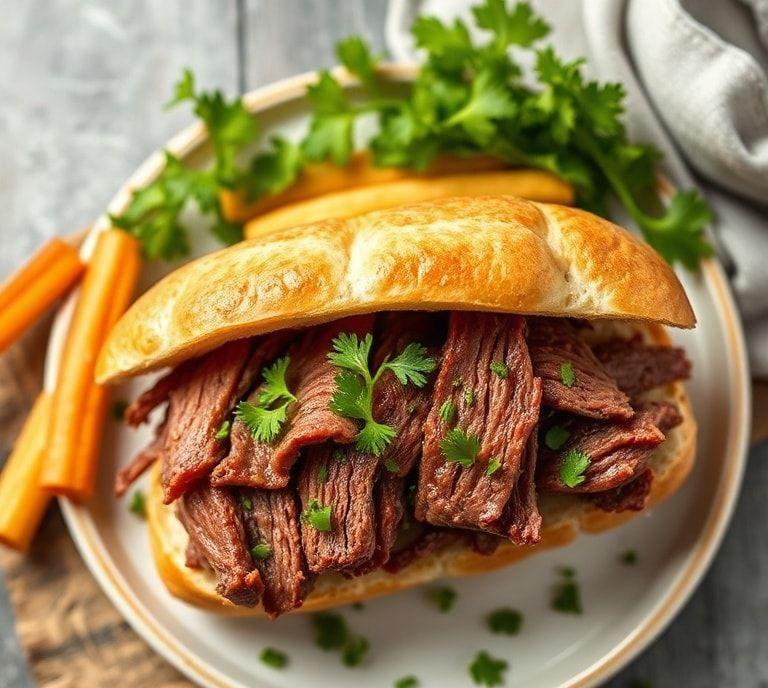
- Return the meat (shredded if you prefer) back into the stew.
-
Serve And Enjoy
- Garnish with fresh parsley.
- Ladle into bowls over mashed potatoes, egg noodles, or crusty bread for the ultimate comfort experience.
Ingredient Swaps
Cooking is all about flexibility. If you don’t have everything on hand, here’s how you can adapt:
- Short ribs substitute: Beef chuck roast (cut into chunks) or oxtail for a slightly different richness.
- Wine substitute: Beef broth + 1 tablespoon balsamic vinegar or pomegranate juice.
- Herbs: Use dried herbs if that’s what you’ve got-just reduce the amount (1 teaspoon dried rosemary or thyme).
- Thickener: Flour can replace cornstarch; just whisk with a bit of broth before adding to avoid clumps.
- Veggies: Parsnips, turnips, or mushrooms make fantastic additions or swaps.
Helpful Tips
Little tricks make a big difference in a stew like this:
- Always sear your meat. It might be tempting to skip, but that caramelization adds layers of flavor.
- Don’t overcrowd the pan while browning. Work in batches if needed.
- Chop vegetables into larger chunks. They’ll hold up better during the long cooking time.
- Let it rest. If you can, let the stew sit for 15-20 minutes after cooking-this allows flavors to meld even more.
- Make ahead. The flavor is even better the next day, so this is a great dish to prepare in advance.
Customization Ideas
Want to make this stew your own? Try these fun twists:
- For a smoky kick: Add a dash of smoked paprika or chipotle powder.
- For a French twist: Stir in a spoonful of Dijon mustard and a splash of Cognac.
- For a rustic Italian vibe: Add a can of diced tomatoes and a pinch of Italian seasoning.
- For heartiness: Toss in baby potatoes so you don’t even need a side dish.
- For indulgence: Finish with a pat of butter or drizzle of cream right before serving.
FAQs
What Cut Of Short Ribs Is Best For Slow Cooker Stew?
Bone-in beef short ribs are ideal for slow cooker stew because they contain more connective tissue and marbling, which breaks down during long, slow cooking to create tender, flavorful meat. Flanken-style or English-cut short ribs are both suitable, though English-cut is thicker and often preferred for stews.
Do I Need To Brown The Short Ribs Before Adding Them To The Slow Cooker?
Browning the short ribs in a hot skillet before adding them to the slow cooker is highly recommended. This step enhances the stew’s flavor by creating a rich, caramelized crust and adding depth to the sauce through fond, the browned bits left in the pan.
How Long Should Short Rib Stew Cook In A Slow Cooker?
For optimal tenderness, cook short rib stew on low for 7 to 9 hours or on high for 4 to 5 hours. Slow cooking allows the collagen in the meat to break down gradually, resulting in a melt-in-your-mouth texture.
Can I Use Frozen Short Ribs In A Slow Cooker?
It is not recommended to use frozen short ribs directly in a slow cooker. Adding frozen meat can keep the stew in the temperature danger zone for too long, increasing the risk of bacterial growth. Thaw the ribs in the refrigerator before cooking.
What Vegetables Work Best In A Short Rib Stew?
Classic choices include carrots, potatoes, parsnips, celery, onions, and mushrooms. Root vegetables are especially good because they hold their shape and absorb the rich flavors from the stew during the long cooking process.
Should I Add Liquid To The Slow Cooker, And What Type Is Best?
Yes, a short rib stew requires liquid to prevent drying out and to form the base of the sauce. Beef broth, red wine, or a combination of both works well. The liquid should cover at least half of the meat and vegetables to ensure even cooking.
Can I Make This Stew Ahead Of Time?
Yes, short rib stew actually tastes better the next day as the flavors meld during refrigeration. Store the cooled stew in an airtight container in the fridge for up to 3 days or freeze for up to 3 months.
How Can I Thicken The Stew If It’s Too Thin?
You can thicken the stew by simmering it uncovered for 20-30 minutes after slow cooking, allowing the liquid to reduce. Alternatively, mix a small amount of cornstarch or flour with cold water and stir it into the stew to thicken it quickly.
Are There Common Mistakes To Avoid When Making Short Rib Stew In A Slow Cooker?
Common mistakes include not browning the meat, using too little liquid, overloading the slow cooker, or lifting the lid too often. Each can negatively affect texture and flavor. Also, undercooking can result in tough meat, while overcooking beyond 9-10 hours can make the meat fall apart excessively.
Can I Make A Low-sodium Version Of This Stew?
Yes, use low-sodium or homemade beef broth, limit added salt, and avoid high-sodium ingredients like soy sauce. You can enhance flavor with herbs, garlic, and vegetables to compensate for reduced salt content.