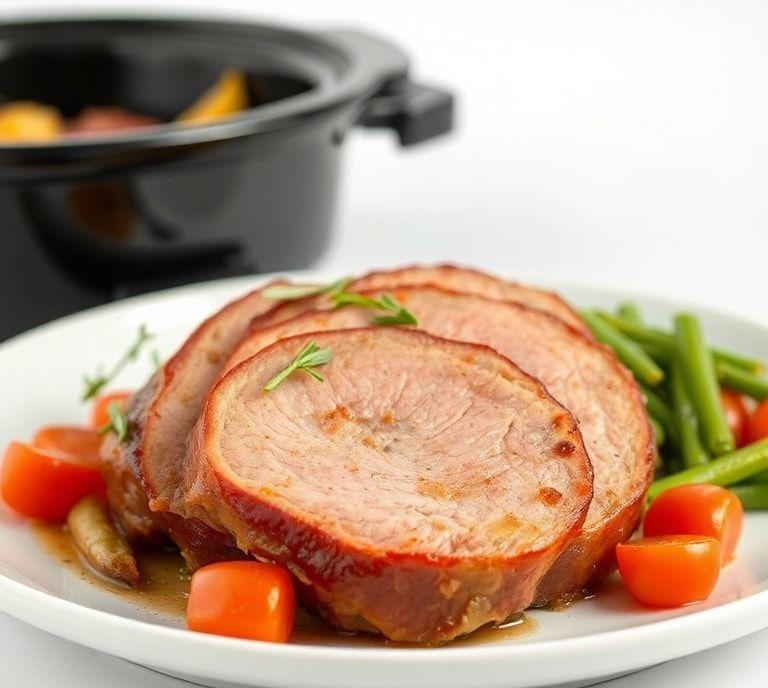
Slow Cook Fish Recipe (Guide)
Let’s talk about fish, shall we? That tender, flaky, nutrient-packed protein that’s as versatile as it is delicious. But here’s the thing: cooking fish can sometimes feel intimidating. Overcook it, and it becomes dry and sad. Undercook it, and, well… let’s not go there. That’s where slow cooking comes in to save the day.
Slow cooking fish is like giving it a gentle spa day. Low and slow, the heat works its magic gradually, letting the flavors of herbs, spices, and any sauces you choose soak in. The result? Melt-in-your-mouth fish that’s aromatic, flavorful, and effortless to make. Plus, if you’ve got a busy day ahead, it’s a life-saver-set it, forget it, and come back to a perfectly cooked meal.
So, grab your favorite slow cooker, and let’s dive into a recipe that will have you questioning why you ever rushed your fish before.
Slow Cook Fish Recipe
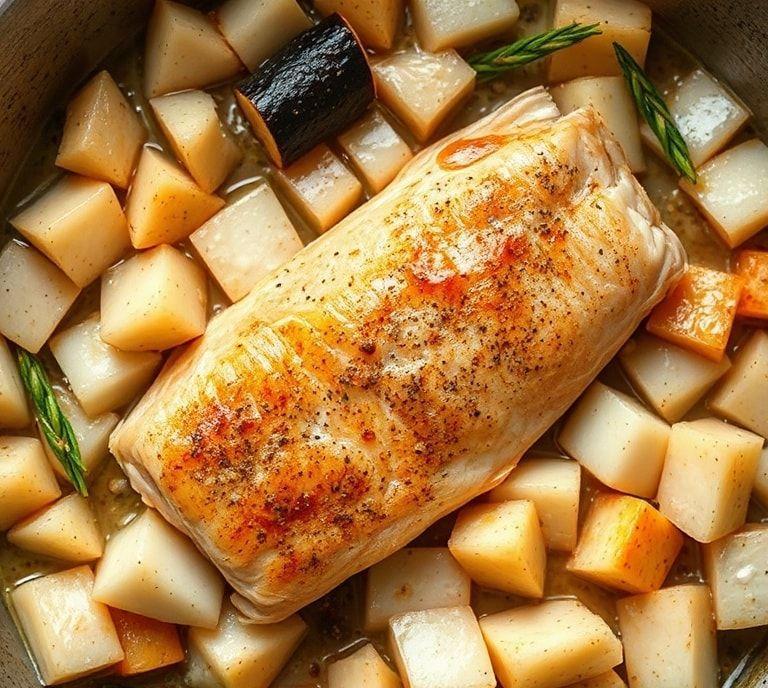
This is one of those recipes that feels fancy but is completely approachable. Perfect for weeknight dinners or even a relaxed weekend lunch. It’s packed with fresh herbs, zesty citrus, and just enough seasoning to make every bite sing.
What makes it especially exciting is the slow cooker magic: it turns humble fish fillets into a rich, aromatic dish without you hovering over the stove.
Ingredient List
For this recipe, you’ll need a balance of freshness, herbs, and a touch of acidity. Here’s what I recommend:
- Fish Fillets (1-2 pounds): Choose firm varieties like cod, tilapia, halibut, or salmon. Fresh or thawed works perfectly.
- Olive Oil or Butter (2-3 tablespoons): For a gentle richness and smooth texture.
- Garlic (3-4 cloves, minced): Adds a punch of savory warmth.
- Lemon (1-2, thinly sliced): For a bright, citrusy zing that cuts through the richness.
- Onion (1 medium, thinly sliced): Sweet, caramelized undertones enhance the flavor profile.
- Fresh Herbs (a handful, chopped): Think parsley, dill, or thyme. These fresh notes elevate the dish.
- White Wine or Fish Stock (½ cup): Provides moisture and subtle depth of flavor.
- Salt and Pepper (to taste): Seasoning is key-don’t be shy!
- Optional Extras: Cherry tomatoes, capers, or sliced bell peppers for a colorful, flavorful twist.
Instruction Guide
Alright, here’s where the magic happens. Follow these steps and you’ll be a slow-cooked fish superstar:
- Prep the Slow Cooker: Lightly grease the slow cooker with olive oil or a small pat of butter. This helps prevent sticking and adds a subtle richness.
- Layer the Aromatics: Start by laying down a bed of onions, garlic, and any optional veggies like cherry tomatoes. This creates a flavorful cushion for the fish.
- Add the Fish: Place the fillets gently on top of your aromatics. Try to avoid overlapping too much; you want even cooking.
- Season Generously: Sprinkle with salt, pepper, and fresh herbs. Layer lemon slices on top for that citrusy kick.
- Add Liquids: Pour in the white wine or fish stock. This is what keeps the fish tender and infuses flavor as it cooks.
- Cook Low and Slow: Cover and cook on low for 1.5-2 hours, depending on thickness. Fish is delicate, so slow and steady wins the race.
- Check for Doneness: Fish should flake easily with a fork and be opaque all the way through. If needed, cook an extra 10-15 minutes, but don’t rush it.
- Serve: Carefully lift the fish with a spatula onto plates, drizzle with the cooking juices, and garnish with extra herbs or a squeeze of fresh lemon.
Ingredient Swaps
Sometimes, you don’t have exactly what the recipe calls for-and that’s okay! Here are some flexible swaps:
- Fish: Use mahi-mahi, grouper, or even trout if you want a different texture or flavor.
- Liquid: If you don’t have wine, chicken broth or vegetable stock works beautifully. For a tangy twist, a splash of orange juice adds a subtle sweetness.
- Herbs: Out of fresh parsley? Try basil, tarragon, or even a pinch of dried herbs.
- Butter vs. Olive Oil: Both work; olive oil keeps it lighter, butter adds richness.
Helpful Tips
Here’s where I share all my little insider tricks:
- Don’t overcook: Fish can turn rubbery fast. Start checking 10-15 minutes before the expected cooking time.
- Layer flavors: Don’t just sprinkle seasoning on top-get it under the fish and in the liquid for depth.
- Use a timer: Slow cookers vary, so make sure to check around 1.5 hours.
- Prep ahead: Chop onions, garlic, and herbs the night before. In the morning, it’s a simple dump-and-go meal.
- Rest briefly: Let the fish sit in the covered slow cooker for 5 minutes after cooking; it allows the juices to settle.
Customization Ideas
If you’re feeling adventurous or catering to picky eaters, here are ways to make it your own:
- Mediterranean Style: Add olives, sun-dried tomatoes, and a splash of balsamic vinegar.
- Asian Twist: Swap herbs for ginger and green onions, and add a drizzle of soy sauce and sesame oil.
- Spicy Kick: Toss in red pepper flakes or a diced chili for heat.
- Creamy Variation: Stir in a few tablespoons of cream or coconut milk in the last 15 minutes for a luscious, velvety finish.
FAQs
What Types Of Fish Are Best For Slow Cooking?
Firm, thick-fleshed fish such as cod, halibut, salmon, or haddock are best for slow cooking. These types hold their shape and texture better during the long, gentle cooking process.
Do I Need To Thaw Frozen Fish Before Slow Cooking?
Yes, it is recommended to fully thaw frozen fish before slow cooking. Thawing ensures even cooking and reduces the risk of the fish becoming mushy.
What Is The Ideal Cooking Time For Fish In A Slow Cooker?
Cooking times vary depending on the thickness of the fish and the slow cooker setting. Generally, fish takes 1 to 2 hours on low heat and 30 to 60 minutes on high heat.
Can I Cook Fish With Vegetables In A Slow Cooker?
Yes, vegetables can be added, but they should be cut into uniform pieces and added at the beginning if they take longer to cook, or later if they are delicate. Root vegetables usually need more cooking time, while softer vegetables like zucchini or spinach should be added near the end.
Should I Add Liquid When Slow Cooking Fish?
Yes, adding a small amount of liquid such as broth, wine, or a sauce helps prevent the fish from drying out and infuses flavor. Usually, 1/4 to 1/2 cup of liquid is sufficient for most recipes.
How Can I Prevent Fish From Falling Apart In The Slow Cooker?
To prevent fish from breaking apart, use firm varieties, cook on low heat, and avoid stirring the fish during cooking. Wrapping the fish in parchment paper or foil can also help maintain its shape.
Is It Safe To Cook Fish From Frozen In A Slow Cooker?
It is generally not recommended to cook fish from frozen in a slow cooker because the slow cooking process may keep the fish at unsafe temperatures for too long, increasing the risk of bacterial growth. Thawing first is safer.
Can I Use Pre-seasoned Or Marinated Fish For Slow Cooking?
Yes, pre-seasoned or marinated fish can be used, but avoid over-salting or using strong acidic marinades, as prolonged cooking can intensify flavors and potentially make the fish mushy.
What Are Some Popular Slow Cooker Fish Recipes?
Popular slow cooker fish recipes include fish stew, lemon garlic fish, salmon in dill sauce, and cod with tomato and vegetable sauce. Recipes often combine mild seasonings with vegetables and a light broth or sauce.
Can I Reheat Slow-cooked Fish?
Yes, slow-cooked fish can be reheated gently in a microwave, oven, or on the stovetop. However, it should be consumed within 1-2 days of cooking for best texture and safety, as overcooking can make it dry and flaky.