Slow Cook Salmon Recipe (Guide)
Let’s talk about salmon. Yes, that beautifully pink, buttery, flavor-packed fish that can feel intimidating to cook but is actually one of the most forgiving and versatile proteins out there. If you’ve ever wanted to get restaurant-quality salmon at home without constantly hovering over the stove or worrying about overcooking, a slow-cooked salmon recipe is your golden ticket.
Slow cooking salmon transforms it into a tender, melt-in-your-mouth delicacy. The low, gentle heat ensures it doesn’t dry out, while flavors have time to meld beautifully, giving you a dish that’s sophisticated, cozy, and full of depth. Whether you’re cooking for a casual weeknight dinner or a special occasion, slow-cooked salmon is guaranteed to impress both your taste buds and anyone lucky enough to share the meal with you.
Slow Cook Salmon Recipe
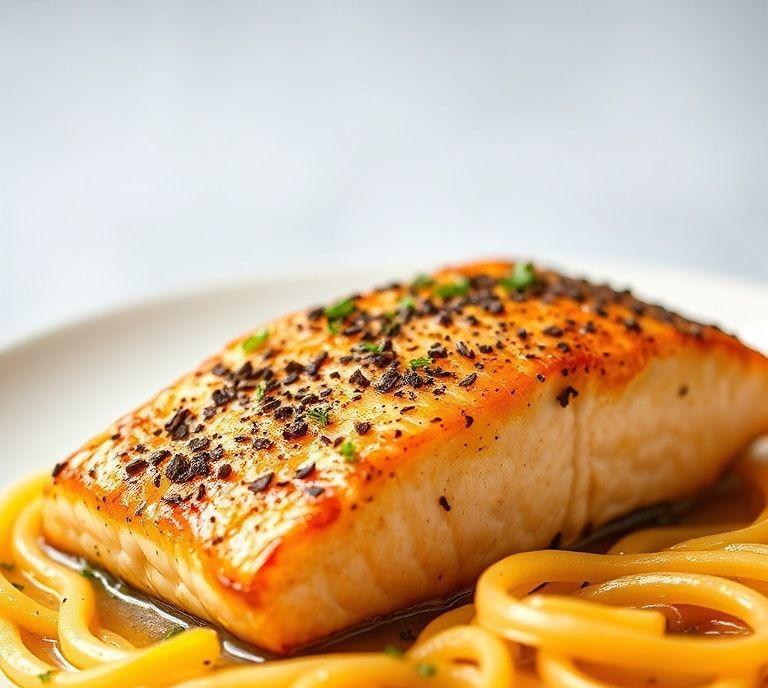
This slow-cooked salmon recipe is designed to be simple yet luxurious. Imagine salmon so tender it practically flakes apart at the touch of a fork, infused with subtle aromatics and spices, with just the right balance of moisture and flavor.
The best part? This recipe is incredibly flexible. You can tweak it based on what’s in your pantry, your preferred flavor profiles, or even your dietary needs, all while ensuring a foolproof result.
Ingredient List
Here’s what you’ll need for the classic version of this slow-cooked salmon recipe:
- Salmon fillets – 2 lbs, skin-on or skinless (your choice, both work beautifully)
- Olive oil – 2 tablespoons, or melted butter for a richer flavor
- Lemon – 1, thinly sliced for a bright, citrusy note
- Garlic – 3 cloves, minced
- Fresh herbs – such as dill, parsley, or thyme, roughly 2 tablespoons chopped
- Salt – 1 teaspoon, to taste
- Black pepper – ½ teaspoon, freshly cracked for best flavor
- Optional aromatics – slices of onion, fennel, or a few sprigs of rosemary
Instruction Guide
Cooking salmon in a slow cooker is almost magical because it’s so easy. Follow these steps for guaranteed success:
-
Prep Your Salmon
- Pat the fillets dry with a paper towel to remove excess moisture. This helps the seasonings stick and keeps the texture perfect.
-
Season Generously
- Drizzle olive oil over the salmon, rub in the minced garlic, sprinkle the salt and pepper, and layer on your herbs.
- Place lemon slices directly on top of the salmon for an infusion of freshness.
-
Layer In The Slow Cooker
- If using any additional aromatics like onion or fennel, place them at the bottom to form a flavor base.
- Gently lay the salmon fillets on top-avoid overlapping to ensure even cooking.
-
Slow-cook
- Cover and cook on low for 1.5-2 hours or until the salmon easily flakes with a fork.
- Pro tip: Avoid opening the lid too often, as the slow cooker holds onto all that beautiful steam and heat.
-
Serve
- Transfer the salmon carefully to a serving plate, spoon over some of the infused juices from the slow cooker, and garnish with extra herbs or lemon wedges.
Ingredient Swaps
Life happens, and sometimes you don’t have the exact ingredients on hand. Here are some simple swaps:
- Olive oil → Coconut oil for a slightly tropical, buttery twist
- Lemon → Lime for a zesty variation
- Fresh herbs → Dried herbs (use half the amount since dried herbs are more concentrated)
- Garlic → Garlic powder if you’re in a pinch
- Salmon fillets → Steelhead trout or Arctic char for a similar texture and taste
Helpful Tips
To ensure your slow-cooked salmon is always restaurant-quality:
- Don’t overcook: Slow cookers vary; start checking at 1.5 hours. Salmon should flake gently, not crumble.
- Use the juices: The liquid in the slow cooker is packed with flavor. Pour it over rice, quinoa, or roasted vegetables.
- Skin on vs. skinless: Cooking with skin on keeps the fillet moist and adds a protective layer; it can be removed after cooking.
- Layer flavors: Always layer aromatics underneath the fish, not on top, to infuse it without overpowering.
Customization Ideas
Want to make this recipe uniquely yours? Try one of these creative twists:
- Mediterranean style: Add chopped olives, sun-dried tomatoes, and oregano
- Asian-inspired: Use soy sauce, ginger, and sesame oil with scallions on top
- Spicy kick: Sprinkle red pepper flakes or a dash of smoked paprika
- Creamy indulgence: Add a few tablespoons of cream cheese or crème fraîche before serving for a rich, luxurious finish
- Citrus explosion: Mix in orange or grapefruit segments for a tangy, vibrant lift
FAQs
Can I Cook Frozen Salmon In A Slow Cooker?
It is generally not recommended to cook frozen salmon directly in a slow cooker because it can remain in the temperature ’danger zone’ for too long, increasing the risk of bacterial growth. It is safer to thaw the salmon in the refrigerator before slow cooking.
What Is The Ideal Cooking Time For Salmon In A Slow Cooker?
The cooking time depends on the thickness of the fillets and the heat setting. Typically, salmon cooks on low for 1.5 to 2 hours or on high for 45 minutes to 1 hour. Overcooking can make it dry and flaky.
Do I Need To Add Liquid When Slow Cooking Salmon?
Yes, adding a small amount of liquid such as broth, lemon juice, or a light sauce helps keep the salmon moist and prevents it from sticking to the slow cooker. Usually, 1/4 to 1/2 cup is sufficient.
What Are Some Good Seasoning Options For Slow Cook Salmon?
Popular seasonings include garlic, dill, lemon slices, soy sauce, ginger, honey, and black pepper. You can also use pre-made marinades or spice blends to enhance the flavor.
Can I Cook Salmon With Vegetables In The Slow Cooker?
Yes, you can add vegetables such as asparagus, zucchini, bell peppers, or potatoes. Place harder vegetables at the bottom, as they take longer to cook, and place the salmon on top to prevent overcooking.
How Do I Prevent The Salmon From Sticking To The Slow Cooker?
You can lightly grease the slow cooker with oil, use parchment paper, or place the salmon on a bed of sliced onions or lemon slices. This also helps add flavor and keeps the fish intact.
Can I Use Skin-on Salmon Fillets In The Slow Cooker?
Yes, skin-on fillets work well. The skin helps protect the flesh from drying out and can be easily removed after cooking if desired.
Is It Safe To Slow Cook Salmon At High Heat?
Yes, cooking at high heat is safe, but the cooking time must be monitored carefully. Salmon cooks quickly and can become dry if overcooked. High heat is useful if you need to prepare the dish in under an hour.
How Can I Tell When Slow-cooked Salmon Is Done?
Salmon is done when it flakes easily with a fork and reaches an internal temperature of 145°F (63°C). It should appear opaque and moist, not translucent.
Can I Store Leftover Slow-cooked Salmon?
Yes, store leftovers in an airtight container in the refrigerator for up to 2-3 days. Reheat gently to avoid drying out the fish, or use it cold in salads or sandwiches.