Slow Cook Vegetable Curry Recipe (Guide)
Oh, vegetable curry! It’s one of those dishes that can be as simple or as extravagant as you like, yet always comforting and packed with flavor. There’s something magical about the slow-cooking process-it allows spices to bloom, vegetables to tenderize beautifully, and aromas to fill your kitchen in the most irresistible way. Unlike quick stir-fries or instant meals, a slow-cooked vegetable curry has a depth and richness that feels like a warm hug in a bowl.
Whether you’re a busy professional wanting a ’set-it-and-forget-it’ meal or someone who loves to let flavors develop over hours, this recipe is perfect. We’re going to explore a method that maximizes taste, versatility, and comfort, all while keeping it wholesome and plant-based. By the end, you’ll have a curry that’s not just dinner-it’s an experience.
Slow Cook Vegetable Curry Recipe
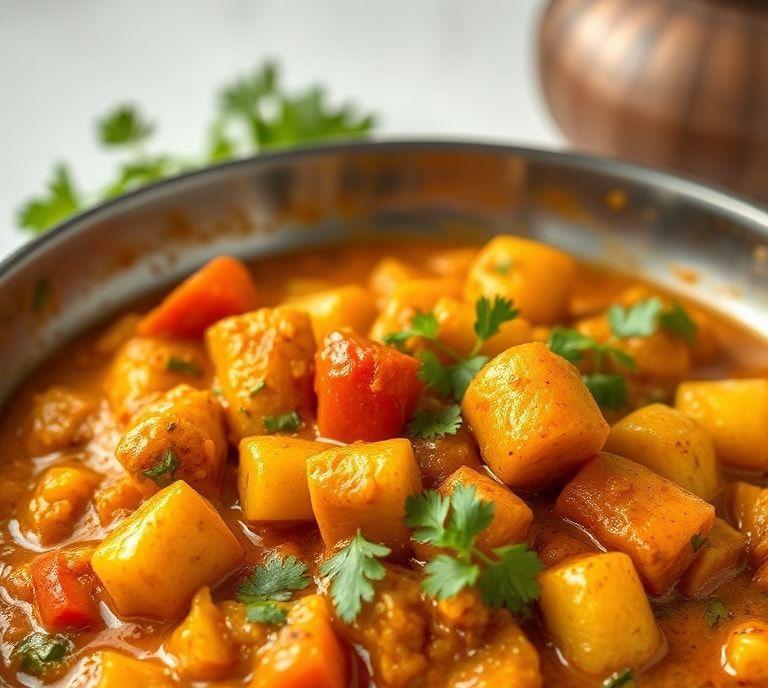
This slow-cooked vegetable curry is hearty, aromatic, and downright addictive. It’s the kind of meal where each bite offers a symphony of textures and flavors: soft potatoes, tender carrots, sweet bell peppers, and chickpeas dancing in a rich, spiced sauce. The beauty of slow cooking is that it allows the curry to thicken naturally, letting the spices penetrate every nook and cranny of your vegetables.
- Cooking Style: Slow cooking
- Meal Type: Vegetarian / Vegan
- Prep Time: 20 minutes
- Cook Time: 4-6 hours (on low) or 2-3 hours (on high)
- Servings: 4-6
Ingredient List
Here’s everything you’ll need to make this curry a masterpiece:
Vegetables
- 2 medium potatoes, diced
- 2 carrots, sliced into rounds
- 1 red bell pepper, chopped
- 1 yellow bell pepper, chopped
- 1 zucchini, sliced
- 1 cup cauliflower florets
- 1 cup green beans, chopped
- 1 can chickpeas, drained and rinsed
Base & Sauce
- 1 can (14 oz) diced tomatoes
- 1 can (14 oz) coconut milk (full-fat for creaminess)
- 1 medium onion, finely chopped
- 3 garlic cloves, minced
- 1-inch piece of fresh ginger, grated
Spices & Seasoning
- 2 tsp curry powder
- 1 tsp ground cumin
- 1 tsp ground coriander
- ½ tsp turmeric
- ½ tsp chili powder (optional, adjust to taste)
- Salt and black pepper to taste
- Fresh cilantro, chopped (for garnish)
Extras (Optional)
- 1 tsp garam masala (for finishing)
- Juice of ½ lemon
- 1-2 tsp olive oil or coconut oil
Instruction Guide
Cooking this curry is almost meditative. Let’s break it down step by step:
-
Prep Your Ingredients
- Wash, peel, and chop all vegetables as listed.
- Mince garlic and grate ginger.
-
Sauté Aromatics
- In a small skillet, heat 1-2 tsp oil over medium heat.
- Sauté onions until translucent, about 3-5 minutes.
- Add garlic and ginger, cooking for another minute until fragrant.
-
Add Spices
- Stir in curry powder, cumin, coriander, turmeric, and chili powder.
- Toast the spices for 30-60 seconds to release their oils-this makes a huge difference!
-
Combine In Slow Cooker
- Transfer the sautéed aromatics and spices to your slow cooker.
- Add all vegetables, chickpeas, diced tomatoes, and coconut milk.
- Stir everything gently until well combined.
-
Cook Low And Slow
- Cover and cook on low for 4-6 hours or high for 2-3 hours, until vegetables are tender and the curry is thickened.
-
Finish And Serve
- Taste and adjust seasoning with salt, pepper, or a splash of lemon juice.
- Stir in garam masala if using.
- Garnish with fresh cilantro before serving.
Serve with steamed rice, warm naan, or even quinoa for a wholesome meal.
Ingredient Swaps
Life happens, and sometimes you don’t have everything on hand. Here’s how to keep your curry flexible:
- Potatoes: Sweet potatoes or butternut squash work beautifully.
- Carrots: Parsnips or turnips can add a slightly different, earthy sweetness.
- Bell peppers: Any color or even roasted red peppers can be used.
- Chickpeas: Lentils, black beans, or kidney beans are excellent alternatives.
- Coconut milk: Heavy cream, cashew cream, or yogurt (added at the end) can give a creamy texture.
- Spices: Adjust curry powder or add paprika, fennel seeds, or a pinch of cinnamon for a unique twist.
Helpful Tips
A few insider tips to make your curry next-level:
- Layer flavors: Sautéing spices before adding to the slow cooker brings out their oils and intensifies flavor.
- Timing vegetables: Harder vegetables like potatoes and carrots can go in first; softer ones like zucchini can be added in the last hour if you like them firmer.
- Thickening the curry: If your curry is too watery, cook uncovered for the last 30 minutes to reduce liquid naturally.
- Batch cooking: This curry freezes beautifully-perfect for meal prep.
Customization Ideas
Want to make this curry your signature dish? Here are some creative ideas:
- Add protein: Tofu cubes, tempeh, or paneer can make it more filling.
- Make it nutty: Stir in cashews, almonds, or a swirl of peanut butter for richness.
- Extra veggies: Spinach, kale, or peas can be stirred in at the end for freshness.
- Spice it up: Fresh chilies, cayenne, or chili flakes can give it a fiery kick.
- Serve it differently: Use it as a soup base, over roasted sweet potatoes, or as a filling for wraps.
FAQs
Can I Use Frozen Vegetables In A Slow Cook Vegetable Curry?
Yes, frozen vegetables can be used in a slow cook vegetable curry. However, add them later in the cooking process, around the last 30-45 minutes, to prevent them from becoming mushy.
What Are The Best Vegetables To Use For A Slow Cook Vegetable Curry?
Vegetables that hold their shape well during slow cooking are ideal, such as carrots, potatoes, bell peppers, cauliflower, green beans, and zucchini. Leafy greens like spinach or kale should be added near the end of cooking.
Can I Make This Curry Vegan Or Gluten-free?
Yes, most slow cook vegetable curry recipes can easily be made vegan by avoiding dairy-based cream or yogurt, and gluten-free by ensuring all spices and sauces are certified gluten-free.
How Long Should I Cook A Vegetable Curry In A Slow Cooker?
Typically, cook the curry on low heat for 6-8 hours or on high heat for 3-4 hours. Timing may vary depending on the vegetable types and the slow cooker model.
Do I Need To Sauté The Vegetables Before Slow Cooking?
Sautéing onions, garlic, and spices before adding them to the slow cooker enhances flavor, but it is optional. Raw vegetables can also be added directly, though the flavor may be milder.
How Much Liquid Should I Add For A Slow Cook Vegetable Curry?
Add enough liquid, such as vegetable broth, coconut milk, or water, to cover the vegetables partially. Too much liquid can make the curry watery, so it is often best to start with 1-2 cups and adjust later.
Can I Use Curry Paste Instead Of Individual Spices?
Yes, curry paste can be used for convenience. Use 2-3 tablespoons of paste per 4 cups of vegetables, adjusting to taste. Paste should be mixed with a small amount of liquid before adding to the slow cooker.
How Do I Prevent The Curry From Being Too Watery?
To prevent excess water, avoid adding all the liquid at once. Start with less, and if the curry looks dry near the end of cooking, add more. You can also thicken it by mashing some vegetables or adding coconut milk or yogurt.
Can I Store And Reheat Leftover Slow Cook Vegetable Curry?
Yes, store leftovers in an airtight container in the refrigerator for up to 4 days or freeze for up to 2-3 months. Reheat gently on the stove or in the microwave, adding a splash of liquid if needed.
Can I Add Beans Or Lentils To The Slow Cook Vegetable Curry?
Yes, beans or lentils can be added for protein. Use pre-cooked or canned beans to ensure even cooking, as raw beans require longer cooking and may not soften properly during slow cooking.