Slow Cooked Octopus Recipe (Guide)
Let’s talk about octopus-a seafood delicacy that often intimidates home cooks but is truly worth the effort. When prepared properly, octopus is incredibly tender, flavorful, and versatile. Unlike quick-grilled or pan-seared methods, slow cooking octopus transforms it into a melt-in-your-mouth experience. Think of it as turning something notoriously ’rubbery’ into an elegant, restaurant-quality dish, all from the comfort of your kitchen. Slow cooking allows the octopus to soak in flavors while maintaining a delicate texture that practically melts on your tongue.
This recipe is perfect for those who love experimenting with seafood, enjoy Mediterranean flavors, or simply want to impress friends and family with a dish that feels luxurious but is surprisingly easy to make. I’ll guide you step by step, with tips, ingredient swaps, and even some fun ways to customize your dish.
Slow Cooked Octopus Recipe
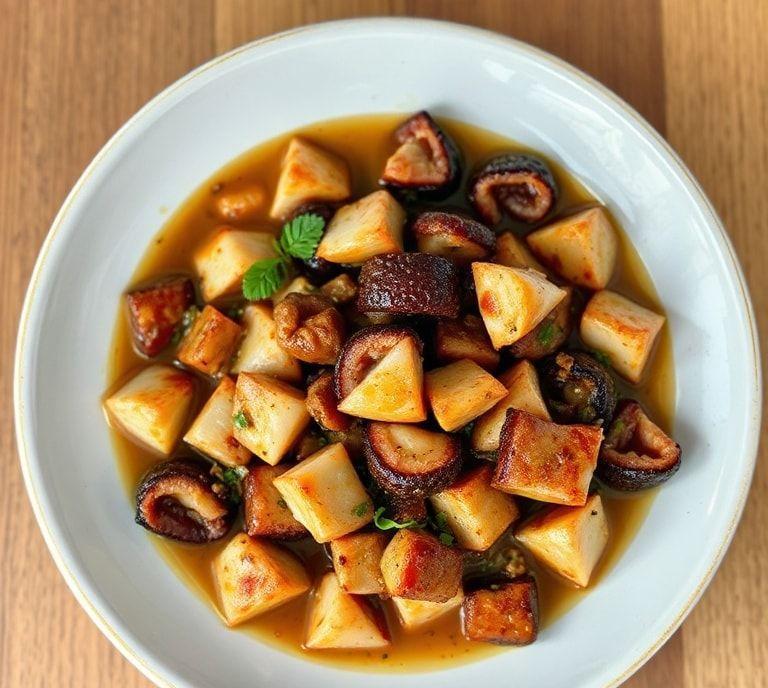
This recipe focuses on slow cooking octopus in a flavorful broth with aromatics, olive oil, and a few secret ingredients to enhance its natural taste. The goal is tenderness, flavor infusion, and a dish that feels sophisticated yet approachable.
Ingredient List
Here’s everything you’ll need for the base recipe:
- 1 whole octopus (about 2-3 pounds, cleaned)
- 1 large onion, roughly chopped
- 4 cloves garlic, smashed
- 2 bay leaves
- 1 lemon, halved
- 1 cup dry white wine (optional but adds depth)
- 3 tablespoons extra virgin olive oil
- 1 teaspoon black peppercorns
- 1 teaspoon paprika (smoked paprika if you like a subtle smokiness)
- Salt, to taste
- Fresh herbs (like parsley, thyme, or oregano, optional but recommended)
- Water (enough to cover the octopus in the pot)
Optional for finishing:
- A drizzle of high-quality olive oil
- Lemon wedges for serving
- A sprinkle of fresh herbs or chili flakes
Instruction Guide
Now, let’s walk through the process in a way that’s easy to follow and stress-free:
-
Prep The Octopus
- If it isn’t already cleaned, remove the beak, ink sac, and eyes. Don’t worry-it’s not as scary as it sounds.
- Rinse under cold water. Pat dry with a paper towel.
-
Tenderize (optional But Recommended)
- Some chefs like to freeze the octopus beforehand, as freezing naturally helps break down tough fibers.
- Alternatively, gently pound the tentacles with a meat mallet.
-
Build Your Broth
- In a large pot, combine water, onion, garlic, bay leaves, peppercorns, and wine.
- Squeeze in lemon halves and add the olive oil. Bring to a gentle simmer.
-
Cook The Octopus
- Submerge the octopus in the simmering broth.
- Cover, reduce heat to low, and let it slowly cook for 1.5-2 hours, checking occasionally for tenderness.
- To test, pierce the thickest part of a tentacle with a fork-it should slide in easily without resistance.
-
Finish And Serve
- Remove the octopus from the pot and let it rest for a few minutes.
- Optional: Sear tentacles in a hot pan or on a grill for 2-3 minutes for a golden crust.
- Drizzle with olive oil, sprinkle fresh herbs, and serve with lemon wedges.
Ingredient Swaps
Sometimes you want flexibility based on what’s in your pantry. Here are some swaps that won’t compromise flavor:
- White wine → vegetable or seafood stock for a non-alcoholic version
- Lemon → lime or orange for a citrus twist
- Smoked paprika → regular paprika + a dash of cayenne for heat
- Olive oil → avocado oil if you prefer a neutral oil
Helpful Tips
To make sure your octopus turns out perfect every time:
- Low and slow is key: Rapid boiling makes it tough. Keep the temperature gentle.
- Don’t overcrowd the pot: If the octopus is too large, cut into smaller portions.
- Taste the broth: Adjust seasoning halfway through cooking.
- Save the cooking liquid: It’s a flavorful base for soups, risottos, or sauces.
Customization Ideas
Want to make this dish your own? Here are some ideas:
- Mediterranean style: Add olives, cherry tomatoes, and capers near the end.
- Asian twist: Infuse broth with ginger, star anise, and soy sauce.
- Spicy kick: Add sliced chili peppers or a pinch of chili flakes.
- Herbaceous flavor: Toss in fresh rosemary, dill, or cilantro before serving.
FAQs
What Is The Best Way To Prepare Octopus For Slow Cooking?
Before slow cooking, rinse the octopus thoroughly under cold water and remove the beak and ink sac if not already cleaned. Some chefs recommend tenderizing it by freezing overnight or gently pounding it to break down the muscle fibers, which helps achieve a more tender texture after cooking.
Do I Need To Boil Octopus Before Slow Cooking?
Boiling is optional for slow cooking. Some recipes suggest blanching the octopus in boiling water for a few minutes to set the color and remove impurities, but slow cooking alone at a low temperature can also make it tender without prior boiling.
What Type Of Slow Cooker Or Method Works Best For Octopus?
A standard electric slow cooker set to low heat works well. Alternatively, a heavy-bottomed pot with a tight-fitting lid on the stovetop or in the oven at low temperature can achieve similar results. The key is consistent, gentle heat.
How Long Should I Slow Cook Octopus For Optimal Tenderness?
Slow cooking times can vary depending on the size of the octopus. Generally, cook small to medium octopus for 3-4 hours on low heat and larger octopus for 4-5 hours. The octopus should be tender enough to pierce easily with a fork but still hold its shape.
What Liquids Or Seasonings Should I Use For Slow Cooking Octopus?
Common liquids include water, white wine, vegetable or seafood stock, often combined with olive oil. Aromatics like garlic, onion, bay leaves, lemon, and herbs such as thyme or parsley add flavor. Avoid over-salting initially, as the octopus will concentrate flavors during cooking.
Can I Slow Cook Octopus In The Oven Instead Of A Slow Cooker?
Yes. Preheat the oven to 275°F (135°C) and place the octopus in a covered oven-safe dish with your chosen liquid and aromatics. Cook for 3-4 hours or until tender, checking occasionally to ensure it does not dry out.
How Do I Know When The Octopus Is Done?
The octopus is done when the tentacles and body are tender and can be pierced easily with a fork. Overcooking can make it mushy, while undercooking leaves it rubbery. A slow and steady cooking process ensures even texture.
Can I Store Leftover Slow Cooked Octopus?
Yes, allow the octopus to cool in its cooking liquid, then store in an airtight container in the refrigerator for up to 3 days. For longer storage, it can be frozen for up to 2 months. Reheat gently to preserve tenderness.
What Are Some Serving Suggestions For Slow Cooked Octopus?
Slow cooked octopus can be served warm or chilled, often drizzled with olive oil and lemon juice. It pairs well with roasted vegetables, potatoes, or a fresh salad. It can also be grilled briefly after slow cooking for added texture and flavor.
Are There Any Common Mistakes To Avoid When Slow Cooking Octopus?
Common mistakes include cooking at too high a temperature, which makes the octopus tough, or overcooking, which results in a mushy texture. Using too little liquid can cause it to dry out. Also, under-seasoning can leave the octopus bland, so include aromatics and seasoning for flavor depth.