Slow Cooked Spaghetti Sauce Recipe (Guide)
There’s something magical about a pot of spaghetti sauce simmering away for hours. The aroma fills the house, your stomach starts to rumble long before dinner, and by the time it’s ready, the flavors have transformed into something deep, bold, and utterly comforting. A slow-cooked spaghetti sauce is not just food-it’s an experience.
Unlike a quick weeknight pasta sauce, slow-cooking gives the tomatoes time to mellow, the herbs time to bloom, and the meat (if you use it) time to tenderize until it practically melts. The result? A sauce that clings to your pasta like a warm hug and tastes better than anything you could get from a jar.
So, let’s dive into how to make a slow-cooked spaghetti sauce that’ll have everyone at your table asking for seconds.
Slow Cooked Spaghetti Sauce Recipe
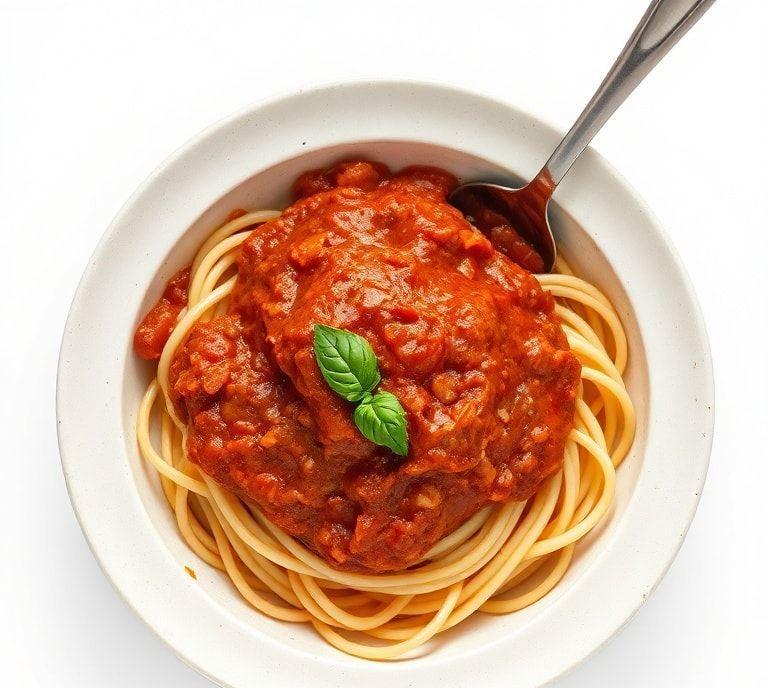
This is the kind of sauce that takes patience but rewards you with layer upon layer of flavor. It’s versatile enough to use for spaghetti, lasagna, stuffed shells, or even spooned over a crusty slice of garlic bread.
Ingredient List
Here’s what you’ll need for a classic slow-cooked tomato-meat sauce (serves 6-8 people generously):
- Olive oil – 2 tablespoons, for sautéing
- Yellow onion – 1 large, finely diced
- Garlic – 5 cloves, minced (don’t skimp here!)
- Ground beef – 1 pound (80/20 for flavor)
- Italian sausage – ½ pound, casings removed
- Tomato paste – 2 tablespoons, for depth and richness
- Crushed tomatoes – 2 cans (28 ounces each)
- Tomato sauce – 1 can (15 ounces)
- Beef broth – 1 cup (adds body)
- Red wine – ½ cup (optional, but highly recommended)
- Bay leaves – 2 whole
- Dried oregano – 1 teaspoon
- Dried basil – 1 teaspoon
- Dried thyme – ½ teaspoon
- Crushed red pepper flakes – ½ teaspoon (optional, for a gentle kick)
- Salt and black pepper – to taste
- Sugar – 1 teaspoon (just enough to balance acidity)
- Fresh parsley or basil – for garnish
Instruction Guide
Here’s the step-by-step breakdown to get that rich, slow-cooked flavor:
-
Sauté Aromatics
- Heat olive oil in a large heavy pot or Dutch oven over medium heat.
- Add the diced onion and cook until translucent, about 5 minutes.
- Toss in garlic and sauté for another 1-2 minutes until fragrant.
-
Brown The Meats
- Add ground beef and Italian sausage. Break up the meat with a wooden spoon.
- Cook until browned all over, but don’t worry if it’s not fully cooked through-it’ll finish later.
-
Build The Base
- Stir in tomato paste and let it toast for a minute. This step is crucial because it deepens the tomato flavor.
- Deglaze with red wine (or beef broth if skipping wine), scraping up all the browned bits from the bottom of the pot.
-
Add Tomatoes And Seasonings
- Pour in crushed tomatoes, tomato sauce, and beef broth.
- Add oregano, basil, thyme, bay leaves, and red pepper flakes.
- Stir well, then season with salt, pepper, and sugar.
-
The Slow Cook Magic
- Bring the sauce to a gentle simmer.
- Reduce heat to low, cover loosely, and let it simmer for at least 3 hours, stirring occasionally.
- The longer it cooks, the richer it becomes. (If you have the time, 5-6 hours is perfection.)
-
Final Touches
- Taste and adjust seasoning. Sometimes, just before serving, I’ll stir in a splash of cream or a knob of butter for velvety richness.
- Remove bay leaves and sprinkle with fresh herbs before serving.
Ingredient Swaps
Don’t feel locked into the recipe! Here are some smart substitutions and swaps:
- Meat – Swap ground beef for ground turkey, chicken, or even lamb for a twist.
- Sausage – Use sweet Italian sausage for a milder sauce or spicy sausage for extra heat.
- Wine – If you’d rather skip wine, just add more broth or even a splash of balsamic vinegar for tanginess.
- Herbs – Fresh herbs can replace dried (use 3x the amount). Fresh basil stirred in at the end is heavenly.
- Tomatoes – If you like a chunkier sauce, use whole peeled tomatoes and crush them by hand.
Helpful Tips
A sauce like this has some tricks to make it even better:
- Use a heavy-bottomed pot – It prevents burning during the long simmer.
- Let it rest – If possible, cook it a day ahead. The flavor intensifies overnight.
- Stir occasionally – Every 30 minutes or so, just to keep it from sticking.
- Don’t rush it – Resist the urge to crank up the heat. Low and slow is what brings out that deep, restaurant-quality flavor.
- Portion and freeze – This sauce freezes beautifully. Store in airtight containers for up to 3 months.
Customization Ideas
Here’s where you can really make it your own:
- Make it vegetarian – Skip the meat and add roasted eggplant, zucchini, or mushrooms.
- Creamy twist – Stir in ricotta, mascarpone, or heavy cream at the end for a luscious texture.
- Spice it up – Add more red pepper flakes, hot Italian sausage, or even a dash of chili oil.
- Herbal lift – Add fresh rosemary sprigs while it simmers, or toss in thyme for a more earthy profile.
- Umami boost – A splash of soy sauce, Worcestershire, or even a parmesan rind tossed into the pot will deepen the flavor.
- Sweetness balance – If you like a sweeter sauce, add grated carrot during the sauté step-it melts right in.
FAQs
What Is The Benefit Of Slow Cooking Spaghetti Sauce?
Slow cooking allows the flavors of the tomatoes, herbs, and aromatics to meld together gradually. This creates a richer, deeper, and more complex flavor compared to quick stovetop methods. It also tenderizes any meat added to the sauce.
How Long Should Spaghetti Sauce Be Slow Cooked?
Spaghetti sauce can be slow cooked for 6-8 hours on low or 3-4 hours on high if using a slow cooker. On the stovetop, it can be simmered gently for 2-4 hours, stirring occasionally to prevent sticking.
Can I Make Slow Cooked Spaghetti Sauce Without A Slow Cooker?
Yes. You can simmer the sauce on the stovetop over very low heat, covered with a lid, for several hours. Alternatively, you can use an oven-safe Dutch oven at 275-300°F to achieve similar slow-cooked results.
What Ingredients Are Essential For A Slow Cooked Spaghetti Sauce?
Core ingredients include crushed tomatoes or tomato sauce, onions, garlic, olive oil, Italian herbs (such as basil and oregano), and salt. Optional ingredients may include carrots or sugar for balancing acidity, red wine for depth, and ground beef, sausage, or pork for heartiness.
Should I Brown The Meat Before Slow Cooking The Sauce?
Yes. Browning meat such as ground beef, sausage, or pork before slow cooking enhances flavor by developing caramelization. It also helps remove excess fat and prevents the sauce from becoming greasy.
Can I Freeze Slow Cooked Spaghetti Sauce?
Absolutely. Let the sauce cool completely, portion it into airtight containers, and freeze for up to 3-4 months. Thaw in the refrigerator overnight before reheating on the stovetop.
How Do I Thicken A Slow Cooked Spaghetti Sauce?
If the sauce is too thin, remove the lid during the last hour of cooking to allow liquid to evaporate. You can also stir in a small amount of tomato paste or let the sauce simmer uncovered on the stovetop for 15-20 minutes after slow cooking.
Can I Make A Vegetarian Slow Cooked Spaghetti Sauce?
Yes. Simply omit the meat and focus on vegetables such as mushrooms, bell peppers, zucchini, or eggplant. Lentils or plant-based meat substitutes can also add protein and texture.
Is It Safe To Add Wine To A Slow Cooked Spaghetti Sauce?
Yes. Adding red wine enhances flavor and acidity balance. The alcohol cooks off during the long simmering process, leaving behind depth and richness without the alcoholic content.
What Type Of Pasta Pairs Best With Slow Cooked Spaghetti Sauce?
Traditional spaghetti works perfectly, but you can also use other pasta shapes such as rigatoni, penne, or fettuccine. Thicker sauces with meat pair well with sturdier pasta shapes that hold sauce in their ridges.