Slow Cooker Boneless Chuck Roast Recipe (Guide)
Let’s face it: there’s something incredibly comforting about a perfectly cooked pot roast. The aroma alone can make your kitchen feel like a cozy sanctuary, with tender meat that practically melts in your mouth and rich, flavorful juices that could rival any five-star restaurant gravy. But here’s the thing-life is busy. Between work, errands, and juggling family obligations, who really has the time to hover over a stove for hours? That’s where the slow cooker comes to the rescue.
The slow cooker transforms a humble boneless chuck roast into a meal that is not just hearty but deeply satisfying. Using low, steady heat allows the meat to break down gradually, resulting in tenderness that’s simply unmatched. The best part? You can walk away while it cooks, giving you the freedom to do literally anything else while dinner practically prepares itself. In this guide, we’re going to take you step-by-step through a foolproof slow cooker boneless chuck roast recipe, offer handy ingredient swaps, share expert tips, and even explore fun ways to customize it so it’s uniquely yours.
Slow Cooker Boneless Chuck Roast Recipe
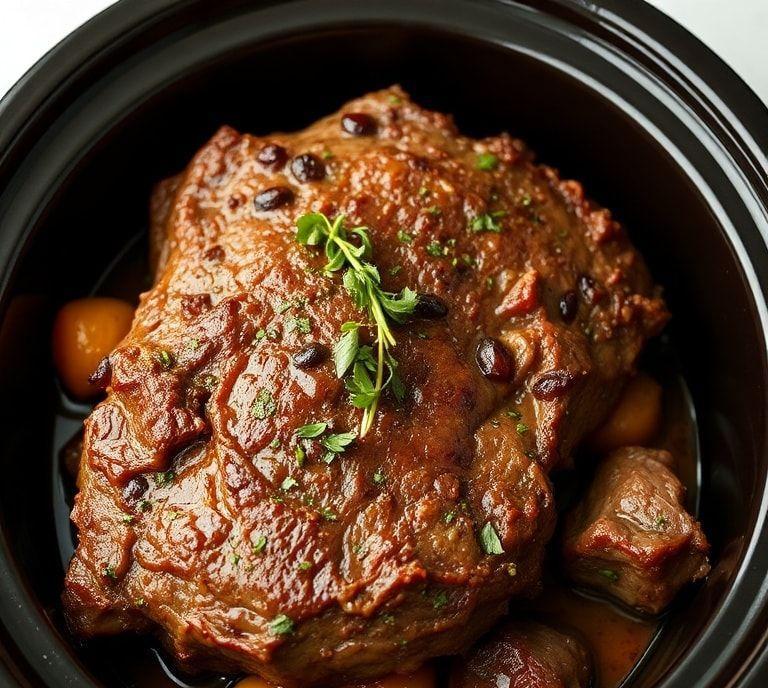
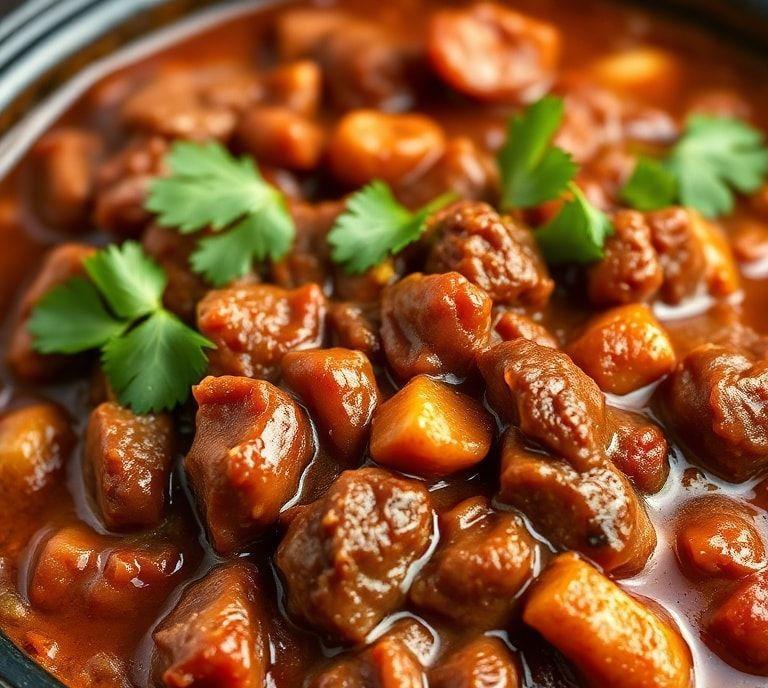
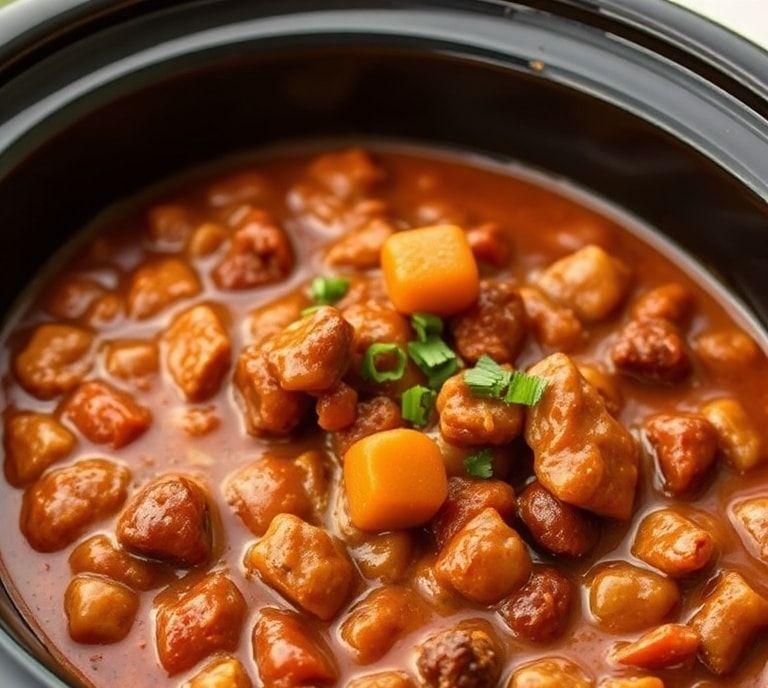
This recipe is designed to produce a classic, comforting pot roast that’s rich in flavor and tender beyond belief. The slow cooker does all the heavy lifting, turning a simple cut of beef into a mouthwatering centerpiece. Think succulent meat, soft vegetables, and a gravy so luxurious you’ll want to pour it over everything.
Ingredient List
Here’s everything you’ll need for this irresistible slow cooker meal:
- 3 to 4 pounds boneless chuck roast – the star of the show. Choose a well-marbled cut for maximum tenderness and flavor.
- 2 tablespoons olive oil – for searing the roast to develop deep, caramelized flavors.
- 1 large onion, sliced – adds sweetness and depth to the gravy.
- 4 cloves garlic, minced – for aromatic richness.
- 4 large carrots, cut into chunks – classic pot roast veggie that absorbs flavor beautifully.
- 4 medium potatoes, cut into chunks – creamy and soft after slow cooking.
- 2 cups beef broth – the base of the cooking liquid that will turn into savory gravy.
- 1/2 cup red wine (optional) – adds complexity and richness.
- 2 tablespoons tomato paste – enhances depth and adds subtle sweetness.
- 2 teaspoons Worcestershire sauce – umami boost.
- 1 teaspoon dried thyme – earthy and fragrant.
- 1 teaspoon dried rosemary – piney, aromatic note.
- 1 bay leaf – classic herb for slow-cooked dishes.
- Salt and pepper to taste – essential seasoning to bring everything together.
Instruction Guide
Follow these steps carefully to achieve melt-in-your-mouth perfection:
-
Prep The Roast
- Pat the chuck roast dry with paper towels.
- Season generously with salt and pepper on all sides.
-
Sear For Flavor
- Heat olive oil in a large skillet over medium-high heat.
- Brown the roast for 3-4 minutes per side until a rich, caramelized crust forms.
- Searing isn’t required, but it adds incredible depth to the final flavor.
-
Prepare The Slow Cooker
- Layer the sliced onions, carrots, and potatoes at the bottom of the slow cooker.
- Place the seared roast on top of the vegetables.
-
Make The Cooking Liquid
- In a bowl, whisk together beef broth, red wine, tomato paste, Worcestershire sauce, thyme, rosemary, and minced garlic.
- Pour the mixture over the roast and vegetables.
- Tuck the bay leaf in for a subtle herbal note.
-
Slow Cook To Perfection
- Cover and cook on low for 8-10 hours or high for 4-6 hours, until the meat easily pulls apart with a fork.
-
Finish And Serve
- Remove the roast and vegetables.
- If desired, pour the cooking liquid into a saucepan and simmer for 5-10 minutes to thicken into gravy.
- Slice or shred the roast and serve hot with vegetables and gravy.
Ingredient Swaps
Life happens, and sometimes you need flexibility. Here are some smart swaps without compromising taste:
- Beef: Substitute boneless chuck roast with brisket or bottom round roast.
- Vegetables: Swap carrots for parsnips or sweet potatoes, potatoes for turnips or rutabaga.
- Broth: Chicken or vegetable broth can work in a pinch.
- Wine: Use extra broth or a splash of balsamic vinegar if avoiding alcohol.
- Herbs: Fresh herbs like thyme or rosemary can replace dried; adjust quantities slightly.
Helpful Tips
- Sear the meat: Don’t skip this step; it adds flavor and color.
- Layering matters: Place denser vegetables like carrots and potatoes at the bottom so they cook evenly.
- Don’t lift the lid: Resist the temptation to peek; slow cooker heat escapes easily, lengthening cooking time.
- Shred or slice after resting: Let the meat rest for 5-10 minutes to lock in juices.
- Thicken naturally: Mix a small amount of cornstarch with cold water and stir into the cooking liquid for gravy.
Customization Ideas
- Mediterranean twist: Add olives, sun-dried tomatoes, and oregano.
- Spicy kick: Include a chopped jalapeño or smoked paprika in the liquid.
- Root vegetable medley: Mix in parsnips, rutabagas, and turnips for earthy flavors.
- Herb-forward: Toss in fresh parsley, sage, or tarragon just before serving.
- Creamy variation: Stir in a splash of heavy cream into the gravy for extra indulgence.
FAQs
What Cut Of Meat Is Best For A Slow Cooker Boneless Chuck Roast?
The best cut for a slow cooker boneless chuck roast is a well-marbled chuck roast, typically labeled as ’chuck eye roast’ or “boneless chuck shoulder roast”. The marbling ensures the meat stays tender and flavorful during long, slow cooking.
How Long Should I Cook A Boneless Chuck Roast In A Slow Cooker?
Cooking times vary depending on the size of the roast and the slow cooker settings. Generally, a 3-4 pound boneless chuck roast cooks for 8-10 hours on low or 5-6 hours on high. Low heat is preferred for the most tender results.
Should I Sear The Chuck Roast Before Putting It In The Slow Cooker?
Searing the roast before slow cooking is optional but recommended. Browning the meat in a hot skillet for 2-3 minutes per side enhances flavor through the Maillard reaction and helps develop a richer sauce.
What Vegetables Go Well With A Slow Cooker Chuck Roast?
Classic vegetables include carrots, potatoes, onions, and celery. You can also add parsnips, turnips, or mushrooms. Adding vegetables midway through cooking helps prevent them from becoming too soft or mushy.
Can I Use Store-bought Broth Or Should I Make My Own?
Both are acceptable. Store-bought beef or vegetable broth is convenient and adds flavor, but homemade broth enhances depth and richness. Ensure it is well-seasoned to complement the roast.
How Do I Prevent The Roast From Drying Out In The Slow Cooker?
Ensure there is enough liquid to partially submerge the roast, typically 1 to 2 cups of broth or a combination of broth and wine. Avoid lifting the lid during cooking, as this releases heat and prolongs cooking time.
Can I Cook A Frozen Chuck Roast In A Slow Cooker?
It is not recommended to cook a frozen roast directly in a slow cooker, as it may stay in the danger zone temperature too long, promoting bacterial growth. Thaw the roast in the refrigerator overnight before cooking.
How Can I Thicken The Sauce After Slow Cooking?
Remove the roast and vegetables, then mix 1-2 tablespoons of cornstarch with cold water and stir into the cooking liquid. Simmer on high until thickened. Alternatively, reduce the liquid by simmering on the stovetop.
What Are Some Seasoning Suggestions For A Slow Cooker Chuck Roast?
Common seasonings include salt, black pepper, garlic powder, onion powder, paprika, thyme, rosemary, and bay leaves. You can also add Worcestershire sauce, soy sauce, or balsamic vinegar for depth of flavor.
How Should I Store Leftovers Of A Slow Cooker Chuck Roast?
Allow the roast and vegetables to cool to room temperature, then store in airtight containers in the refrigerator for up to 3-4 days. For longer storage, freeze portions for up to 2-3 months and thaw in the refrigerator before reheating.