Slow Cooker Vegan Stew Recipe (Guide)
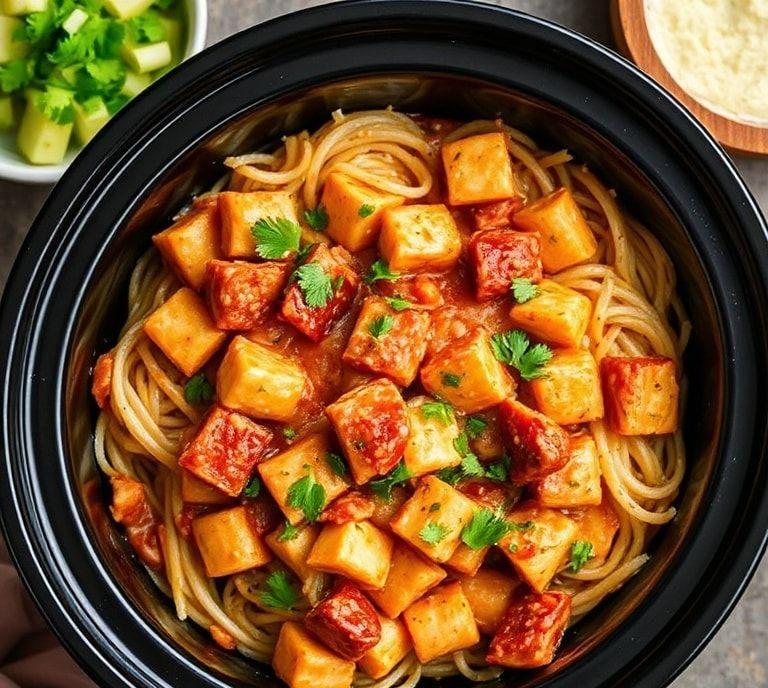
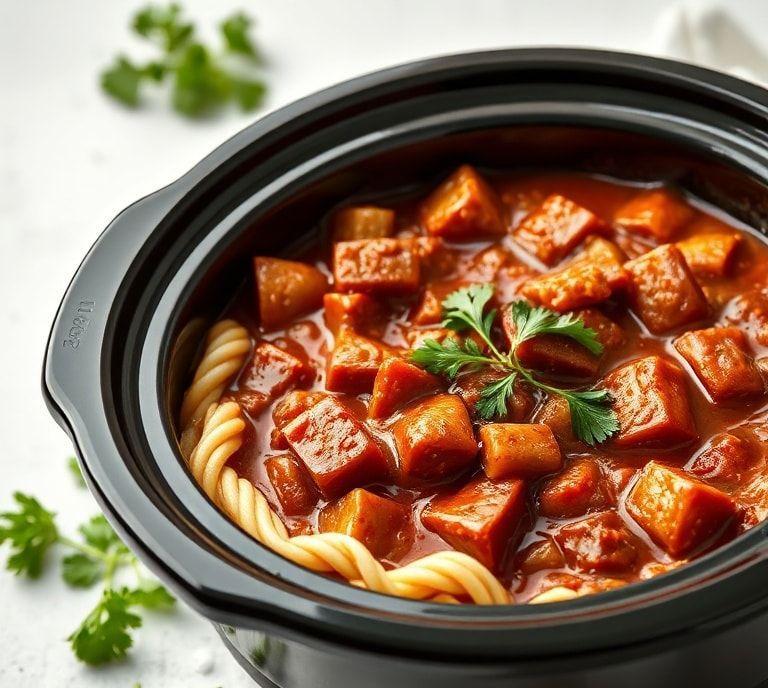
Let’s talk comfort food-the kind that wraps around you like a warm blanket on a chilly day. A slow cooker vegan stew is the ultimate answer to that craving. The beauty of a vegan stew is that it’s hearty, nourishing, and completely plant-based, yet still packed with flavor, texture, and that slow-cooked, melt-in-your-mouth goodness that makes you sigh with satisfaction.
Slow cookers are magical for a few reasons:
- Hands-off cooking: You prep, set it, and let it do the work while you focus on other things.
- Deep, rich flavors: Slow cooking allows spices and vegetables to meld together in a way that stovetop cooking just can’t match.
- Nutrient preservation: Cooking gently over hours keeps many vitamins and minerals intact.
- Versatility: You can tailor your stew to whatever ingredients you have on hand, making it the perfect weeknight dinner or batch-cooking hero.
Whether you’re a vegan veteran or just looking to sneak more plants into your life, this stew will make you rethink what ’comfort food’ really means.
Slow Cooker Vegan Stew Recipe
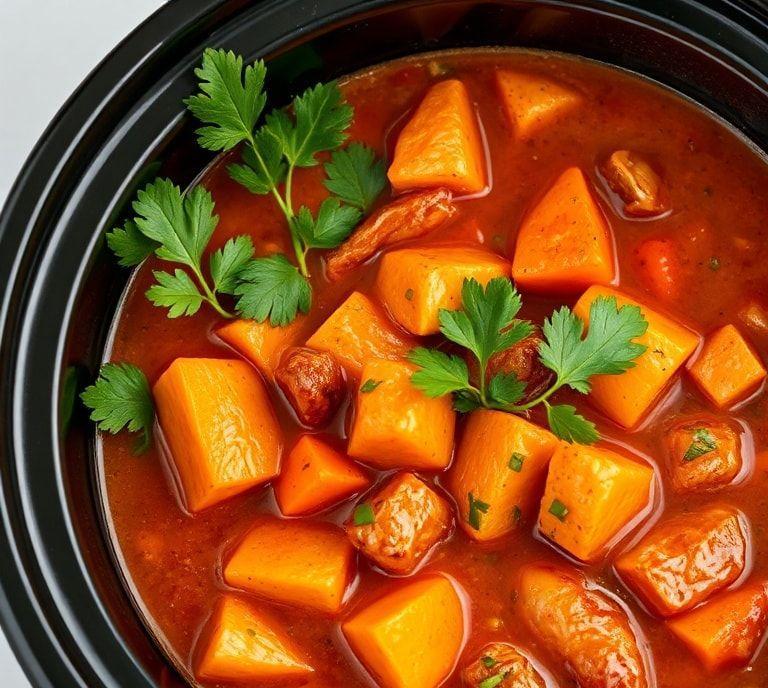
This isn’t just a stew-it’s a culinary hug. Thick, hearty, and loaded with plant-based goodness, it’s perfect served over rice, alongside crusty bread, or even on its own. The flavors are bold but not overwhelming, and the slow-cooked veggies practically melt into the broth, creating a rich, savory experience that fills the kitchen with mouthwatering aromas.
Ingredient List
Here’s what you’ll need to make this magic happen:
-
Vegetables
- 2 large carrots, chopped
- 2 celery stalks, chopped
- 1 large onion, diced
- 3 cloves garlic, minced
- 1 bell pepper (any color), chopped
- 2 medium potatoes, cubed
- 1 zucchini, sliced
-
Legumes & Grains
- 1 can (15 oz) chickpeas, drained and rinsed
- 1 can (15 oz) diced tomatoes
- 1/2 cup barley or pearl couscous (optional for added texture)
-
Liquids & Broth
- 4 cups vegetable broth
- 1 tablespoon tomato paste
- 1 tablespoon soy sauce or tamari
-
Herbs & Spices
- 1 teaspoon dried thyme
- 1 teaspoon dried rosemary
- 1 teaspoon smoked paprika
- 1/2 teaspoon ground black pepper
- Salt to taste
- Optional: pinch of red pepper flakes for heat
-
Optional Finishing Touches
- Fresh parsley, chopped
- Lemon juice for brightness
- Nutritional yeast for a cheesy note
Instruction Guide
Cooking this stew is as easy as tossing ingredients into a slow cooker, but here’s a step-by-step guide to make sure it turns out perfectly:
- Prep your ingredients: Chop all your vegetables uniformly so they cook evenly. Mince the garlic and cube the potatoes.
- Sauté aromatics (optional but recommended): On the stovetop, quickly sauté onions, garlic, and bell pepper in a bit of olive oil for 3-5 minutes to intensify flavor.
- Combine ingredients: Transfer the sautéed vegetables to your slow cooker. Add carrots, celery, potatoes, zucchini, chickpeas, tomatoes, tomato paste, barley, broth, and all spices.
- Cook low and slow: Cover and cook on low for 6-8 hours or on high for 3-4 hours. The longer, the better-flavors meld beautifully.
- Final touches: About 15 minutes before serving, check seasoning. Add salt, pepper, and a splash of lemon juice if desired. Stir in parsley or nutritional yeast if using.
- Serve: Ladle into bowls, pair with bread or grains, and savor every comforting spoonful.
Ingredient Swaps
Flexibility is the name of the game. Here’s how you can swap ingredients without losing that stew magic:
-
Vegetables
- Sweet potatoes instead of regular potatoes
- Butternut squash instead of zucchini
- Green beans or peas instead of bell peppers
-
Legumes & Grains
- Lentils instead of chickpeas (cook time may vary slightly)
- Quinoa instead of barley for a protein boost
-
Liquid
- Coconut milk for a creamy twist
- Miso paste instead of soy sauce for umami depth
-
Herbs & Spices
- Fresh herbs instead of dried (add at the end to preserve flavor)
- Curry powder or cumin for a different flavor profile
Helpful Tips
- Layer wisely: Harder vegetables like carrots and potatoes should be on the bottom for even cooking.
- Don’t overfill: Slow cookers work best when filled about 2/3 full.
- Taste and adjust: Flavors deepen over time, so adjust seasoning toward the end rather than the beginning.
- Make ahead: Stew tastes even better the next day-flavors continue to develop overnight in the fridge.
- Freeze for later: Portion and freeze for an easy weeknight meal. Just reheat gently on the stove.
Customization Ideas
Want to get creative? Here are some fun ways to make this stew truly yours:
- Add texture: Toss in roasted nuts or seeds just before serving.
- Spice it up: Add harissa, sriracha, or chili flakes for a kick.
- Creamy twist: Blend a portion of the stew with an immersion blender for a silky texture.
- Global flavors: Incorporate coconut milk and curry powder for an Indian-inspired stew or smoked paprika and chipotle for a Southwestern vibe.
- Protein boost: Add tofu cubes, tempeh, or seitan toward the end of cooking.
FAQs
What Are The Key Ingredients For A Slow Cooker Vegan Stew?
A slow cooker vegan stew typically includes a variety of vegetables such as carrots, potatoes, celery, and onions, legumes like lentils or chickpeas, vegetable broth, tomatoes, garlic, herbs like thyme and rosemary, and optional ingredients like mushrooms or kale for added flavor and nutrition.
How Long Should A Vegan Stew Cook In A Slow Cooker?
Cooking times vary depending on the ingredients and slow cooker settings. Generally, a vegan stew cooks on low for 6 to 8 hours or on high for 3 to 4 hours. Root vegetables may require longer to become tender.
Can I Use Frozen Vegetables In A Slow Cooker Vegan Stew?
Yes, frozen vegetables can be used. However, they may release extra water, which can slightly alter the stew’s consistency. It’s recommended to reduce the amount of added liquid or cook slightly longer to achieve the desired thickness.
How Can I Make My Vegan Stew Thicker?
To thicken a vegan stew, you can mash some of the cooked vegetables or legumes directly in the stew, add a slurry made from cornstarch or flour mixed with water, or incorporate cooked grains like quinoa or barley which naturally absorb liquid and add body.
What Spices And Herbs Work Best In A Slow Cooker Vegan Stew?
Common spices and herbs include thyme, rosemary, bay leaves, paprika, cumin, and black pepper. Fresh herbs like parsley or cilantro can be added at the end of cooking for brightness, while dried herbs work well during long slow cooking.
Is It Possible To Prepare The Ingredients In Advance?
Yes, you can chop vegetables and rinse legumes a day in advance and store them in the refrigerator. Some recipes allow layering ingredients in the slow cooker the night before and refrigerating until ready to cook, although cooking times may need slight adjustments.
Can I Make A Large Batch Of Vegan Stew And Freeze It?
Absolutely. Vegan stew freezes well. Allow the stew to cool completely, then transfer to airtight containers or freezer-safe bags. It can typically be stored for 2 to 3 months. Reheat gently on the stovetop or in a slow cooker to preserve texture and flavor.
How Do I Prevent Vegetables From Becoming Mushy In A Slow Cooker?
To prevent overcooking, add delicate vegetables like zucchini, bell peppers, or greens later in the cooking process, typically in the last 30 minutes. Denser vegetables like potatoes and carrots should go in at the beginning.
Can I Add Plant-based Protein To My Slow Cooker Vegan Stew?
Yes, plant-based proteins like tofu, tempeh, seitan, or cooked beans and lentils are excellent additions. Tofu and tempeh should be added in the last hour to retain texture, while dried beans must be soaked beforehand or pressure-cooked separately.
How Can I Enhance The Flavor Of A Slow Cooker Vegan Stew?
Flavor can be enhanced by using vegetable broth instead of water, adding umami-rich ingredients like soy sauce, miso paste, nutritional yeast, or roasted vegetables, and seasoning gradually throughout cooking. Fresh herbs or a squeeze of lemon juice at the end can also brighten the flavor.