South African Oxtail Slow Cooker Recipe (Guide)
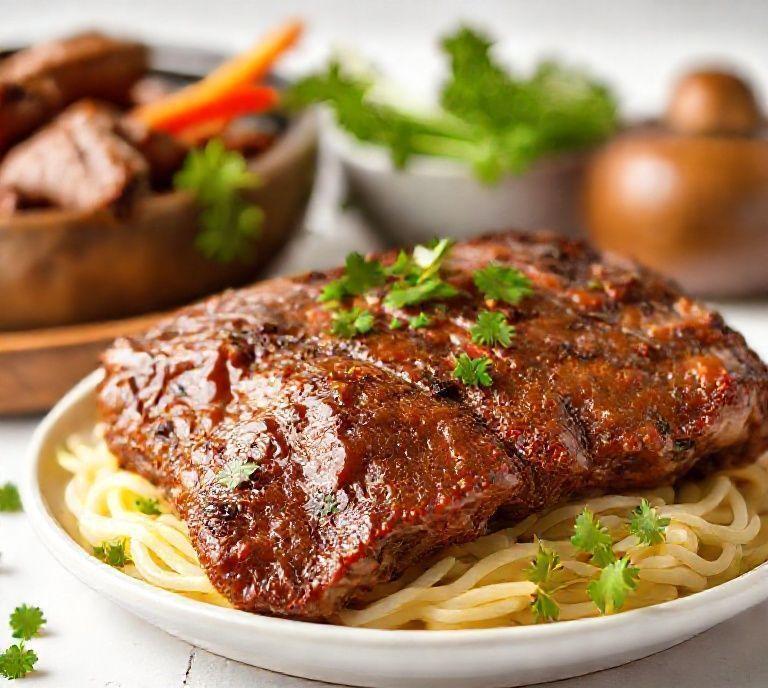
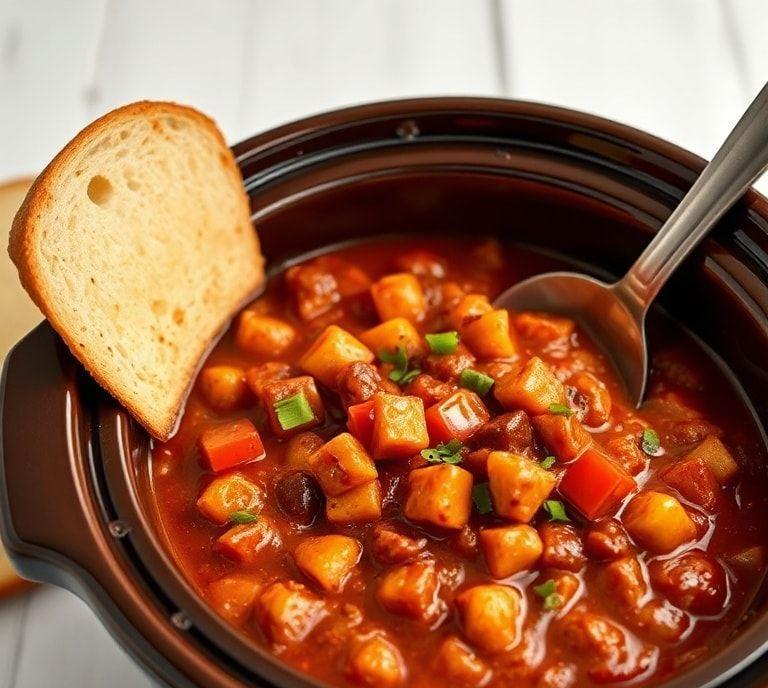
If there’s one dish that embodies comfort, richness, and a little culinary magic, it has to be South African oxtail stew. This isn’t just any stew-it’s the kind of meal that fills your kitchen with a mouthwatering aroma, promising tender meat that falls off the bone and a sauce so hearty, you’ll be tempted to dip bread straight into the pot. Traditionally simmered for hours on the stovetop, oxtail can also shine in a slow cooker, making it perfect for busy weekdays or lazy weekends when you want dinner to practically cook itself.
South African oxtail has deep roots in heritage cooking, often served with rich, velvety gravies, potatoes, or rice. The slow cooking method allows the collagen in the oxtail to break down beautifully, creating a luscious, almost gelatinous texture that’s irresistible. Think of it as a hug in a bowl-warm, savory, and incredibly satisfying.
South African Oxtail Slow Cooker Recipe
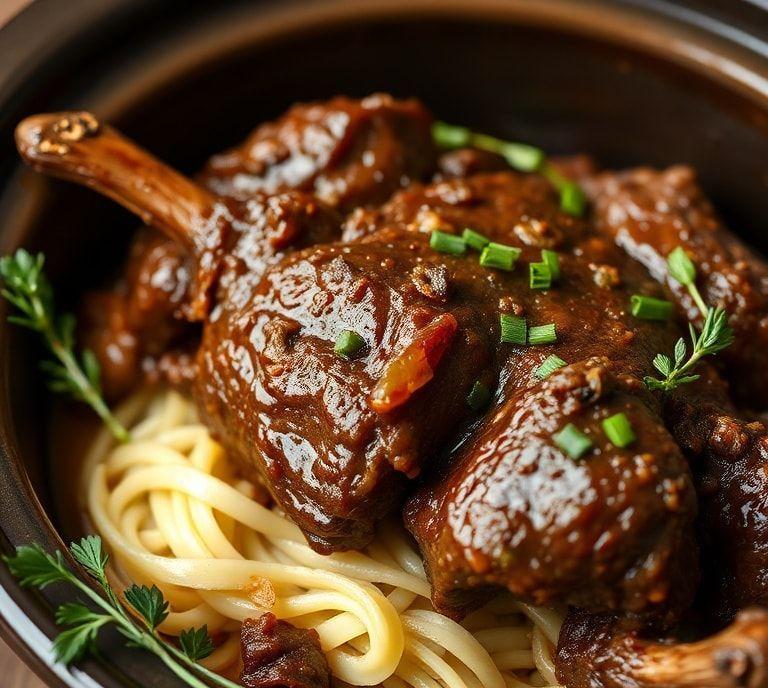
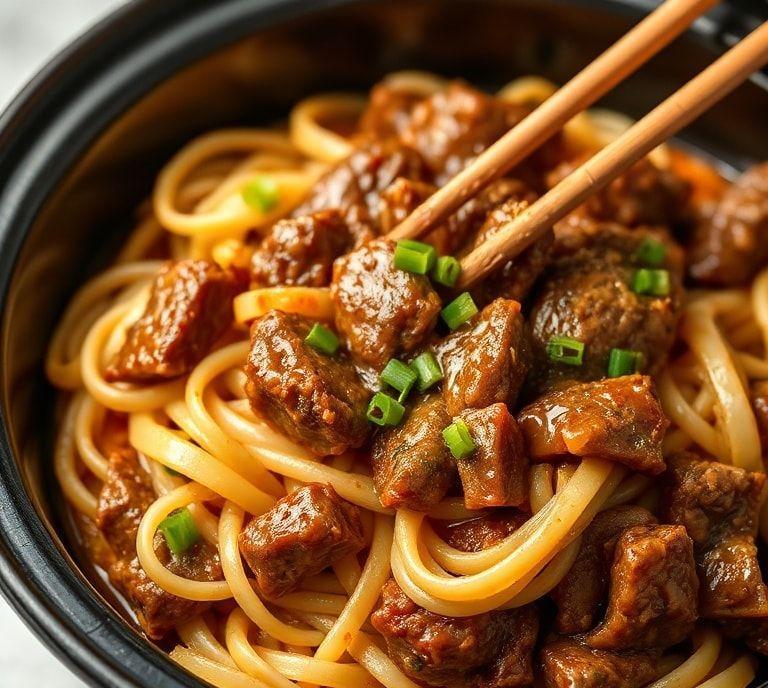
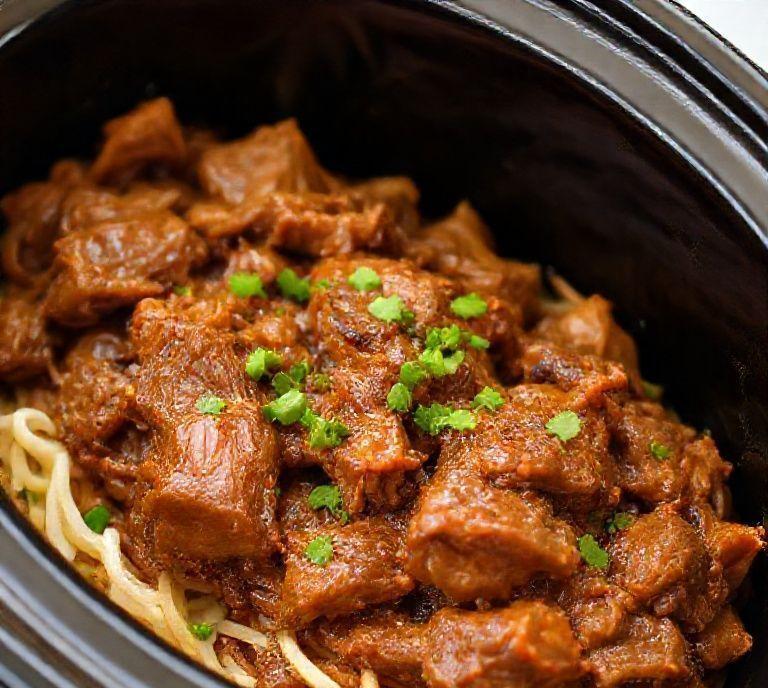
This recipe brings all the traditional South African flavors together while taking full advantage of the slow cooker. You get tender, flavorful meat infused with a rich gravy, accented with a delicate balance of herbs, spices, and a touch of tomato. What’s beautiful about this method is that the longer you cook it, the more the flavors meld, giving you a stew that feels like it’s been simmering for an entire day-even if you only started it in the morning.
Ingredient List
Here’s everything you’ll need to make this soul-warming South African oxtail slow cooker stew:
For The Oxtail
- 2-3 pounds of oxtail, trimmed and cut into sections
- 2 tablespoons vegetable or canola oil for browning
Vegetables & Aromatics
- 2 large onions, roughly chopped
- 3-4 cloves garlic, minced
- 2-3 carrots, cut into chunks
- 2 stalks celery, chopped
- 1-2 potatoes, peeled and diced (optional but traditional)
Liquids & Seasonings
- 1-2 cups beef or vegetable stock
- 1 cup crushed tomatoes or tomato passata
- 1 tablespoon Worcestershire sauce
- 1-2 bay leaves
- 1 teaspoon dried thyme
- 1 teaspoon paprika
- Salt and black pepper to taste
Optional Extras For Depth Of Flavor
- 1 tablespoon brown sugar (balances acidity)
- ½ cup red wine (for richness and complexity)
- Fresh parsley or coriander for garnish
Instruction Guide
Cooking oxtail in a slow cooker is delightfully simple, but there are a few tricks to maximize flavor. Here’s a step-by-step breakdown:
-
Brown The Oxtail
- Heat oil in a skillet over medium-high heat.
- Season oxtail with salt and pepper, then brown on all sides.
- Browning adds depth and caramelized flavor to the stew-don’t skip it!
-
Prepare The Vegetables
- Sauté onions, garlic, carrots, and celery in the same skillet for 3-4 minutes. This brings out their natural sweetness and aroma.
-
Combine In The Slow Cooker
- Transfer the browned oxtail and sautéed vegetables into the slow cooker.
- Add potatoes (if using), tomatoes, stock, Worcestershire sauce, bay leaves, thyme, paprika, and optional extras like wine or brown sugar.
-
Slow Cook
- Set the slow cooker on low for 8-10 hours, or high for 4-6 hours.
- The longer it cooks, the more tender and flavorful the oxtail becomes.
-
Finish And Serve
- Taste and adjust seasoning with salt and pepper.
- Garnish with fresh parsley or coriander for a pop of color and freshness.
- Serve over rice, mashed potatoes, or with warm bread to soak up that glorious gravy.
Ingredient Swaps
Flexibility is key in any slow-cooked dish. If you’re missing an ingredient or want a healthier option, here’s what you can do:
- Oxtail: Beef short ribs or lamb shanks work well as a substitute.
- Carrots & celery: Parsnips, turnips, or even bell peppers can add unique flavors.
- Stock: Chicken or mushroom stock can be used if beef stock isn’t available.
- Tomatoes: Tomato paste or fresh chopped tomatoes are fine alternatives.
- Red wine: Skip the alcohol and use an extra ½ cup of stock with a splash of balsamic vinegar for acidity.
Helpful Tips
Cooking oxtail can be intimidating at first, but these tips make it easier:
- Don’t rush the browning step: It’s the secret to a deeply flavorful stew.
- Deglaze the pan: After browning, pour a little stock or wine into the skillet to lift all those flavorful bits before adding to the slow cooker.
- Skim fat if needed: Oxtail is naturally fatty; if you prefer a leaner gravy, refrigerate and skim the solidified fat before reheating.
- Timing matters: Cooking on low for longer yields more tender meat than a shorter, high-heat cook.
- Check seasoning at the end: Slow cooking can mellow flavors, so adjust salt, pepper, and acidity before serving.
Customization Ideas
Make this recipe your own with these creative tweaks:
- Spicy kick: Add a chopped chili or a pinch of cayenne for heat.
- Smoky flavor: Incorporate smoked paprika or a splash of liquid smoke.
- Herb variations: Rosemary, oregano, or bay leaf combinations can shift the flavor profile.
- Vegetable twist: Add mushrooms, bell peppers, or sweet potatoes for more texture and nutrition.
- Creamy version: Stir in a splash of cream or coconut milk near the end for a richer stew.
FAQs
What Cuts Of Oxtail Are Best For A Slow Cooker Recipe?
For a South African oxtail slow cooker recipe, the best cuts are pieces with some bone and connective tissue, as these provide rich flavor and gelatin that creates a silky, thick sauce. Look for oxtail that is cut into 2-3 inch sections, preferably with some fat.
Do I Need To Sear The Oxtail Before Adding It To The Slow Cooker?
Yes, searing the oxtail before slow cooking is recommended. Browning the meat enhances the flavor through the Maillard reaction and helps lock in juices, resulting in a more flavorful and rich stew.
What Traditional South African Spices Are Used In Oxtail Slow Cooker Recipes?
Common South African spices include paprika, black pepper, thyme, and bay leaves. Some recipes also incorporate allspice, cayenne, or curry powder for depth. Garlic and onions are essential aromatics, while Worcestershire sauce or tomato paste adds richness.
How Long Should Oxtail Cook In A Slow Cooker?
Oxtail typically requires 8-10 hours on low or 4-6 hours on high in a slow cooker to become tender. Slow, low-heat cooking allows the collagen in the meat to break down, creating a gelatinous, succulent texture.
Can I Add Vegetables To The Slow Cooker With The Oxtail?
Yes, vegetables such as carrots, potatoes, celery, and bell peppers are commonly added. Root vegetables work best as they hold their shape during long cooking, while softer vegetables like peas or spinach should be added near the end of cooking to prevent overcooking.
Do I Need To Add Extra Liquid When Slow Cooking Oxtail?
Yes, some liquid is essential, but it doesn’t need to cover the meat completely. Beef stock, water, or red wine are often used. The slow cooking process will reduce the liquid, concentrating the flavors into a thick, savory sauce.
Can I Make This Recipe Ahead Of Time?
Absolutely. Oxtail slow cooker recipes often taste even better the next day, as the flavors continue to meld. Refrigerate the stew overnight and gently reheat it before serving. Freezing is also possible for up to 3 months.
How Do I Thicken The Oxtail Sauce If It’s Too Thin?
The sauce can be thickened by simmering it uncovered for 30-60 minutes on the stovetop, allowing excess liquid to evaporate. Alternatively, a slurry of cornstarch and cold water can be added gradually while stirring, or pureed cooked vegetables can help naturally thicken the sauce.
What Is The Best Way To Serve South African Oxtail?
Traditionally, South African oxtail is served with rice, mashed potatoes, or pap (a type of maize porridge). It pairs well with steamed vegetables or a simple green salad, as the rich sauce is the highlight of the dish.
Are There Any Tips For Making The Oxtail Extra Tender?
Yes. In addition to slow cooking for several hours, marinating the oxtail overnight in a mixture of spices, vinegar, and oil can help tenderize the meat. Skimming excess fat during cooking can also improve texture and flavor without compromising tenderness.