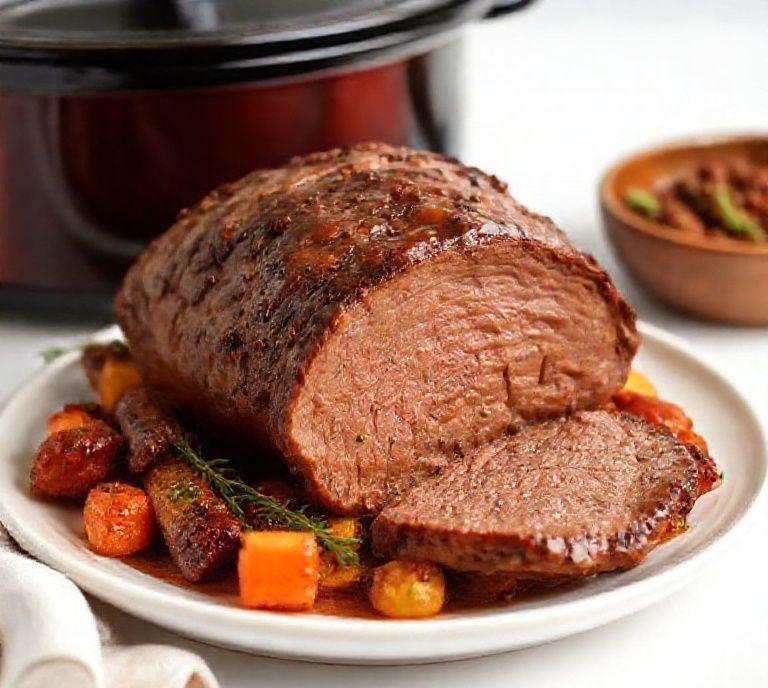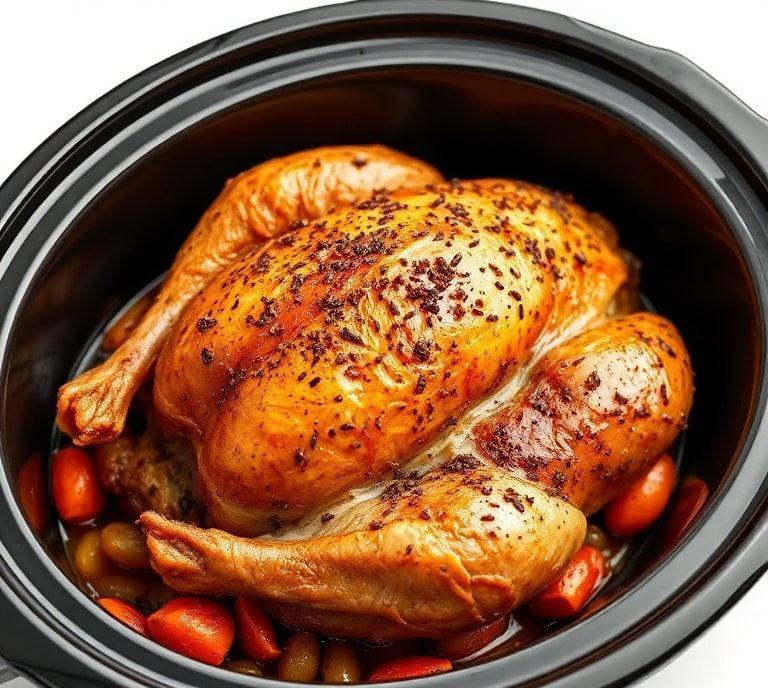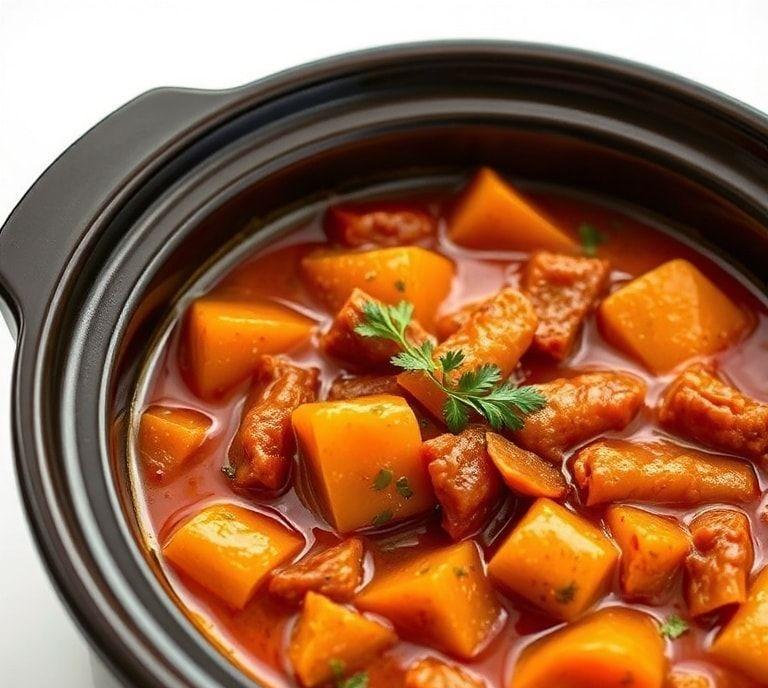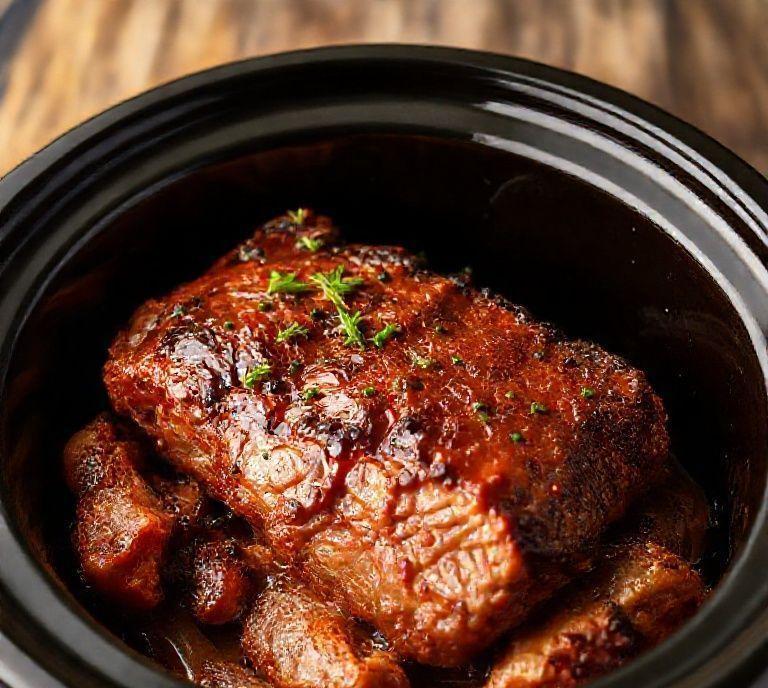
Wild Turkey Leg Slow Cooker Recipe (Guide)
There’s something undeniably comforting about a hearty, slow-cooked meal. And if you’ve never tried a wild turkey leg in a slow cooker, you’re in for a treat. Unlike its domesticated counterpart, wild turkey packs a richer, more intense flavor that’s earthy and slightly gamey. Cooking it low and slow ensures the meat becomes tender, juicy, and practically falling off the bone-without all the fuss of oven-roasting or deep-frying.
Using a slow cooker isn’t just convenient; it’s almost magical. You can throw in your ingredients in the morning, set it, and by evening, you’re greeted with a meal that smells like it was crafted in a gourmet kitchen. Plus, this recipe is incredibly versatile-you can keep it simple, or jazz it up with herbs, spices, and sauces to match your mood or occasion.
Wild Turkey Leg Slow Cooker Recipe

This recipe is a celebration of flavor and convenience. Imagine succulent turkey legs infused with garlic, herbs, and a touch of zest, slowly braising until every bite melts in your mouth. It’s perfect for family dinners, a cozy weekend feast, or even meal prepping for the week. The slow cooking process not only tenderizes the meat but also creates a savory broth that can double as a base for soups, gravies, or sauces.
Ingredient List
Here’s everything you’ll need to make this dish unforgettable:
- Wild turkey legs – 2 large, cleaned and trimmed
- Olive oil – 2 tablespoons, for searing (optional but recommended)
- Onion – 1 large, sliced
- Carrots – 2-3 medium, cut into chunks
- Celery stalks – 2, sliced
- Garlic – 4-5 cloves, minced
- Chicken or turkey broth – 2 cups
- Apple cider – ½ cup (optional, adds subtle sweetness)
- Fresh herbs – Rosemary, thyme, and sage (2 sprigs each, or 1 tsp dried)
- Bay leaves – 2
- Paprika – 1 tsp
- Salt and pepper – to taste
- Optional extras: Mushrooms, potatoes, or parsnips for added bulk
This combination balances earthiness, sweetness, and savoriness, while leaving room for your personal flavor preferences.
Instruction Guide
Let’s break it down step by step so nothing goes wrong:
-
Prep Your Turkey Legs
- Pat the legs dry with paper towels. This helps them brown better if you choose to sear them.
- Season generously with salt, pepper, and paprika.
-
Optional Sear
- Heat olive oil in a skillet over medium-high heat.
- Sear the turkey legs for 3-4 minutes per side until golden brown. This step adds depth of flavor but can be skipped for a purely hands-off method.
-
Layer The Vegetables
- Place sliced onions, carrots, and celery at the bottom of your slow cooker. This creates a flavorful ’bed’ for the turkey.
-
Add Turkey And Aromatics
- Place the turkey legs on top of the vegetables.
- Add garlic, fresh herbs, and bay leaves.
-
Pour In Liquids
- Add broth and apple cider (if using). The liquid should cover about half the turkey legs. Too much liquid dilutes flavor; too little risks dryness.
-
Cook Low And Slow
- Set slow cooker to LOW for 6-8 hours or HIGH for 4-5 hours.
- Check tenderness: the meat should easily pull from the bone with a fork.
-
Finish And Serve
- Remove bay leaves and herb sprigs.
- Spoon some of the slow-cooked vegetables and broth over the turkey for a rustic, delicious presentation.
Ingredient Swaps
Want to tweak flavors or accommodate what’s in your pantry? Consider these swaps:
- Broth: Use vegetable broth for a lighter taste or beef broth for deeper flavor.
- Apple cider: Substitute with white wine, orange juice, or even a splash of balsamic vinegar.
- Herbs: Experiment with oregano, tarragon, or marjoram for unique profiles.
- Vegetables: Sweet potatoes, parsnips, or turnips all soak up the juices beautifully.
- Seasonings: Smoked paprika adds a subtle smoky hint; cayenne adds a kick.
Helpful Tips
To get the best results every time:
- Don’t skip searing: Even a quick brown adds an amazing layer of flavor.
- Room temperature meat: Let turkey sit out for 15-20 minutes before cooking to ensure even cooking.
- Don’t overfill: Keep liquid below the max line of your slow cooker to prevent spills.
- Check seasoning at the end: Slow cooking can mellow flavors; a final pinch of salt and pepper can elevate the dish.
- Save the juices: They make an incredible base for gravy or soup.
Customization Ideas
Make this recipe your own:
- Spicy kick: Add red pepper flakes or a splash of hot sauce.
- Sweet-savory twist: Mix in dried cranberries or apricots during the last hour of cooking.
- Herbal variation: Swap traditional herbs for a Mediterranean blend with oregano, basil, and rosemary.
- Vegetarian-friendly side: Serve with mashed potatoes, roasted root vegetables, or creamy polenta.
- Crispy skin finish: After slow cooking, broil the turkey legs for 5-10 minutes for a golden exterior.
FAQs
What Is The Best Way To Prepare Wild Turkey Legs For A Slow Cooker?
Before cooking, rinse the turkey legs under cold water and pat them dry with paper towels. Trim any excess fat or skin if desired, and season them generously with salt, pepper, and preferred herbs or spices. Browning the legs in a skillet before placing them in the slow cooker can enhance flavor, though it is optional.
How Long Should Wild Turkey Legs Be Cooked In A Slow Cooker?
Cook wild turkey legs on low for 6 to 8 hours or on high for 3 to 4 hours. Cooking times may vary slightly depending on the size of the legs and the specific slow cooker model. The meat should reach an internal temperature of 165°F (74°C) and be tender enough to pull away from the bone easily.
What Liquid Should I Use When Cooking Wild Turkey Legs In A Slow Cooker?
A combination of broth, stock, wine, or water can be used. For added flavor, use chicken or turkey broth, and consider adding aromatics such as onions, garlic, herbs, and a splash of wine or apple cider. The liquid should cover at least half of the turkey legs to prevent them from drying out.
Can I Cook Frozen Wild Turkey Legs In A Slow Cooker?
It is not recommended to cook frozen turkey legs directly in a slow cooker because they may remain in the temperature danger zone too long, which increases the risk of bacterial growth. Thaw the legs completely in the refrigerator before cooking for safe and even results.
What Seasonings Work Best With Wild Turkey Legs In A Slow Cooker?
Classic seasonings include salt, black pepper, garlic powder, onion powder, paprika, thyme, rosemary, and sage. You can also add a marinade or rub for additional depth of flavor. Slow cooking allows the herbs and spices to infuse the meat over time, creating a rich and aromatic dish.
Should I Sear The Turkey Legs Before Using The Slow Cooker?
Searing the turkey legs in a hot skillet before slow cooking is optional but recommended. It adds a richer flavor and a more appealing color to the meat. Simply brown each side for 3-5 minutes before transferring the legs to the slow cooker.
How Can I Make The Slow Cooker Wild Turkey Legs More Tender?
Cooking the legs slowly on low heat for several hours is key. Adding a small amount of acid, such as lemon juice or vinegar, can help break down tough fibers. Additionally, ensure that there is enough cooking liquid to keep the meat moist throughout the cooking process.
Can I Add Vegetables To The Slow Cooker With Wild Turkey Legs?
Yes, root vegetables like carrots, potatoes, and parsnips work well. Place them at the bottom of the slow cooker as they take longer to cook. Onions, celery, and garlic can also be added to enhance flavor. Avoid overloading the slow cooker to ensure proper cooking.
How Should I Store Leftovers From Slow Cooker Wild Turkey Legs?
Allow the turkey legs to cool to room temperature, then store them in airtight containers in the refrigerator for up to 3-4 days. For longer storage, freeze the meat in airtight containers or vacuum-sealed bags for up to 3 months. Reheat gently to avoid drying out the meat.
Can I Make Gravy From The Slow Cooker Wild Turkey Leg Drippings?
Yes, the liquid remaining in the slow cooker can be used to make a flavorful gravy. Remove the turkey legs and vegetables, then strain the liquid. Thicken it with a roux made from flour and butter or use cornstarch slurry, simmering until the desired consistency is reached. Adjust seasoning as needed.