Pork Loin Slow Cooker Carrots Potatoes Recipe (Guide)
If you’ve ever wished for a hearty, comforting dinner that practically cooks itself while you go about your day, you’re in the right place. Pork loin with carrots and potatoes in the slow cooker is one of those classic ’set it and forget it’ meals that delivers every time. It’s cozy, wholesome, and smells like Sunday dinner at grandma’s house by the time it’s ready.
What makes this dish especially lovable is its balance: the pork loin comes out juicy and tender, the carrots and potatoes soak up all that savory flavor, and the whole thing feels rustic and homey without being fussy. Plus, you don’t need fancy skills or complicated ingredients. Just your slow cooker, a handful of pantry basics, and a little patience.
Let’s walk through everything you need to know-from ingredients to swaps, tips, and creative tweaks.
Pork Loin Slow Cooker Carrots Potatoes Recipe
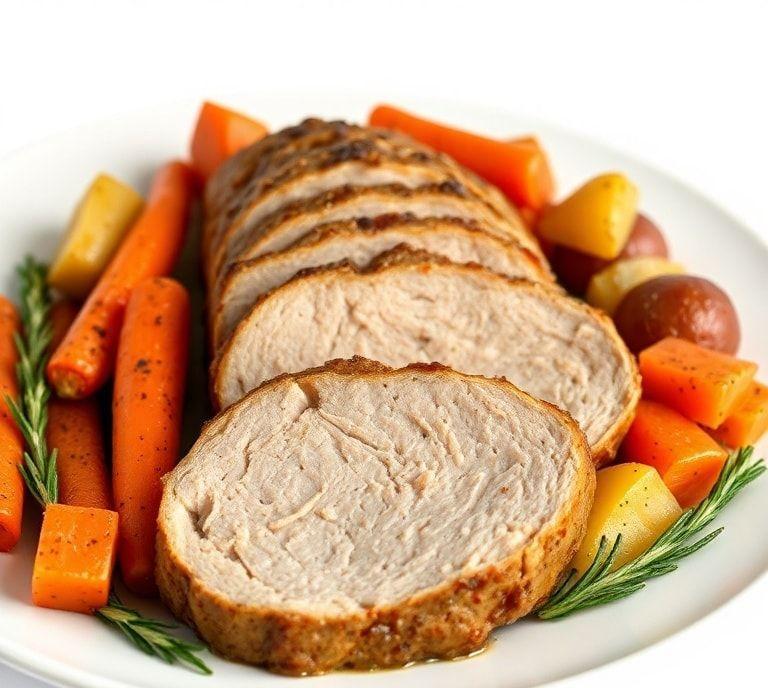
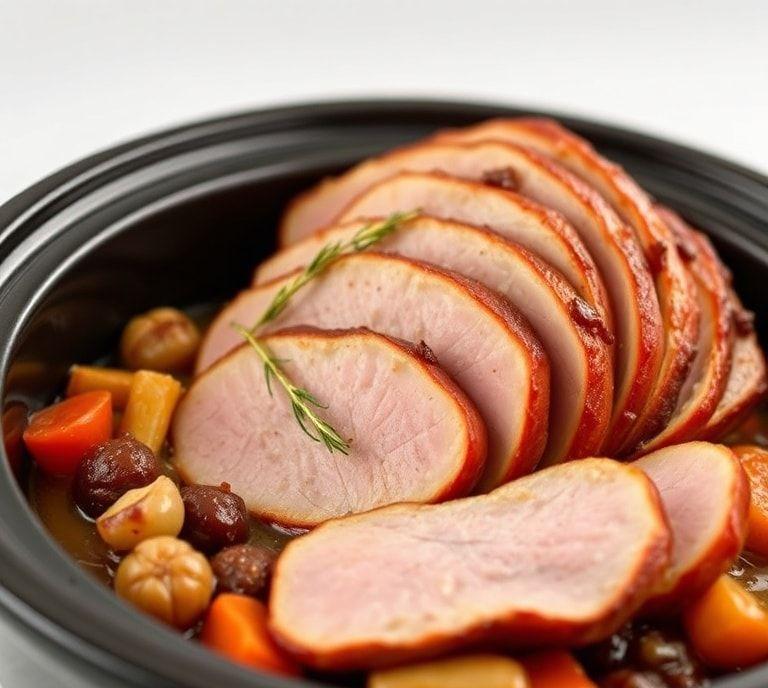
Think of this as a one-pot wonder. The pork loin acts as the star, while carrots and potatoes are the supporting cast, slowly braising together in a rich, flavorful broth. By the time it’s done, you’ll have:
- Pork loin that slices like butter but isn’t mushy.
- Carrots that are tender-sweet, almost candy-like.
- Potatoes that are soft and creamy, soaking up all the juices.
- A ready-made broth that doubles as gravy if you thicken it up.
This recipe is perfect for weeknights when you want hands-off cooking, or weekends when you want something cozy simmering all day.
Ingredient List
Here’s what you’ll need for a standard version of this dish:
- 2-3 lb pork loin roast (boneless or bone-in, trimmed of excess fat)
- 6-8 medium carrots (peeled, cut into 2-3 inch chunks)
- 5-6 medium potatoes (Yukon Gold or red potatoes work best, cut into halves or quarters)
- 1 medium onion (sliced or roughly chopped)
- 4 cloves garlic (minced or smashed)
- 2 cups chicken or vegetable broth (low-sodium preferred)
- 2 tbsp olive oil (for searing, optional but recommended)
- 1 tsp salt (or to taste)
- ½ tsp black pepper
- 1 tsp dried thyme (or 2-3 sprigs fresh thyme)
- 1 tsp dried rosemary (or fresh if you have it)
- 1 bay leaf
- 1 tbsp soy sauce or Worcestershire sauce (adds depth and umami)
Optional:
- 1 tbsp cornstarch + 2 tbsp water (for thickening the broth into gravy at the end)
Instruction Guide
Here’s the step-by-step breakdown so you can nail it:
-
Prep Your Veggies.
- Peel and chop your carrots into sturdy chunks.
- Wash and cut potatoes into halves or quarters (leave skin on for rustic flavor, peel if you prefer smooth).
- Slice the onion and smash garlic cloves.
-
Sear The Pork (optional But Worth It).
- Heat olive oil in a skillet over medium-high heat.
- Pat the pork loin dry with paper towels and season with salt and pepper.
- Sear all sides until golden brown (about 2-3 minutes per side). This locks in flavor and adds depth.
-
Layer Ingredients In The Slow Cooker.
- Place carrots, potatoes, onion, and garlic at the bottom.
- Lay the pork loin on top.
- Sprinkle thyme, rosemary, and bay leaf.
-
Add Liquid.
- Pour in broth and soy/Worcestershire sauce.
- Make sure liquid comes about halfway up the pork (don’t submerge it fully).
-
Slow Cook.
- Cover with lid and cook on low for 6-8 hours or high for 3-4 hours.
- Pork should reach 145°F internally and be fork-tender.
-
Optional Gravy Step.
- Remove pork and veggies once cooked.
- Pour liquid into a saucepan.
- Stir in a slurry of cornstarch and water, simmer until thickened.
-
Serve.
- Slice pork loin against the grain.
- Plate with carrots and potatoes.
- Spoon gravy over the top for that final flourish.
Ingredient Swaps
Sometimes you don’t have every item on hand-or maybe you’re looking to mix things up. Here are some swap-friendly ideas:
- Pork Loin Alternatives: Pork tenderloin (shorter cooking time), pork shoulder (fattier and richer), or even chicken thighs if you want to go a different route.
- Potatoes: Sweet potatoes for a slightly sweeter, more autumnal vibe; or baby potatoes if you want less chopping.
- Carrots: Parsnips, turnips, or butternut squash can all play a similar role.
- Herbs: Swap thyme/rosemary for sage, oregano, or Italian seasoning if that’s what you have.
- Liquid Base: Apple cider or white wine instead of broth for a fun flavor twist.
Helpful Tips
To make sure your pork loin turns out perfect, keep these in mind:
- Don’t skip the sear. It adds a caramelized richness that you can’t get otherwise.
- Cut veggies into large chunks. Small pieces can turn to mush after hours in the slow cooker.
- Avoid overcooking. Pork loin is lean, so cooking it too long can dry it out. Low and slow is better than high and fast.
- Check liquid level halfway. If it looks dry, add a splash of broth. If it looks soupy, that’s okay-you can always thicken it later.
- Rest before slicing. Give the pork 5-10 minutes after cooking to lock in juices.
Customization Ideas
Want to make the recipe your own? Here are some fun directions to take it:
- Add sweetness: Toss in apple slices or a spoonful of honey for a sweet-savory balance.
- Make it spicy: Add red pepper flakes, cayenne, or sliced jalapeño for heat.
- Turn it Italian: Use oregano, basil, and a splash of balsamic vinegar instead of soy sauce.
- Go smoky: Use smoked paprika or even add a dash of liquid smoke.
- Make it creamy: Stir in a bit of cream or sour cream to the gravy at the end.
- Add greens: Toss in kale or spinach during the last 15 minutes for extra color and nutrition.
FAQs
What Type Of Pork Loin Is Best For A Slow Cooker Recipe?
A boneless pork loin roast is ideal for slow cooking because it cooks evenly and becomes tender without falling apart. Bone-in pork loin can also be used but may require slightly longer cooking time.
Do I Need To Sear The Pork Loin Before Placing It In The Slow Cooker?
Searing the pork loin is optional but recommended. Browning the meat in a skillet before slow cooking adds depth of flavor and enhances the overall taste of the dish.
What Kind Of Carrots And Potatoes Work Best For This Recipe?
Medium to large carrots cut into chunks and starchy potatoes like Yukon Gold or red potatoes hold their shape well during slow cooking and absorb flavors effectively.
How Much Liquid Should I Add To The Slow Cooker?
Typically, 1 to 1.5 cups of broth, water, or a combination of broth and a small amount of wine is sufficient. The liquid helps cook the vegetables evenly and keeps the pork moist without making it soggy.
Can I Add Other Vegetables Besides Carrots And Potatoes?
Yes, you can include onions, parsnips, celery, or turnips. Add harder vegetables like carrots and parsnips at the beginning, while softer vegetables like peas or green beans should be added in the last 30 minutes of cooking.
How Long Should The Pork Loin Cook In A Slow Cooker?
Cook on low for 6-8 hours or on high for 3-4 hours. The internal temperature of the pork should reach 145°F (63°C) for safe consumption, after which it should rest for 3-5 minutes.
Do I Need To Cover The Slow Cooker While Cooking?
Yes, keeping the lid on ensures even cooking and retains moisture. Removing the lid can extend cooking time and result in drier meat.
Can I Make This Recipe Ahead Of Time?
Absolutely. You can prep the pork, vegetables, and seasonings a day in advance and store them in the refrigerator. Slow cook as directed when ready to serve.
How Can I Thicken The Sauce Or Gravy From The Slow Cooker?
After removing the pork and vegetables, pour the liquid into a saucepan and simmer. You can thicken it with a slurry made from cornstarch or flour mixed with cold water, or reduce it by simmering until it reaches the desired consistency.
What Are Some Tips For Making The Pork Loin Extra Tender And Flavorful?
Use a meat thermometer to avoid overcooking, add aromatics like garlic, thyme, or rosemary, and consider marinating the pork for a few hours before slow cooking. Layering vegetables under the pork allows juices to infuse the vegetables for richer flavor.