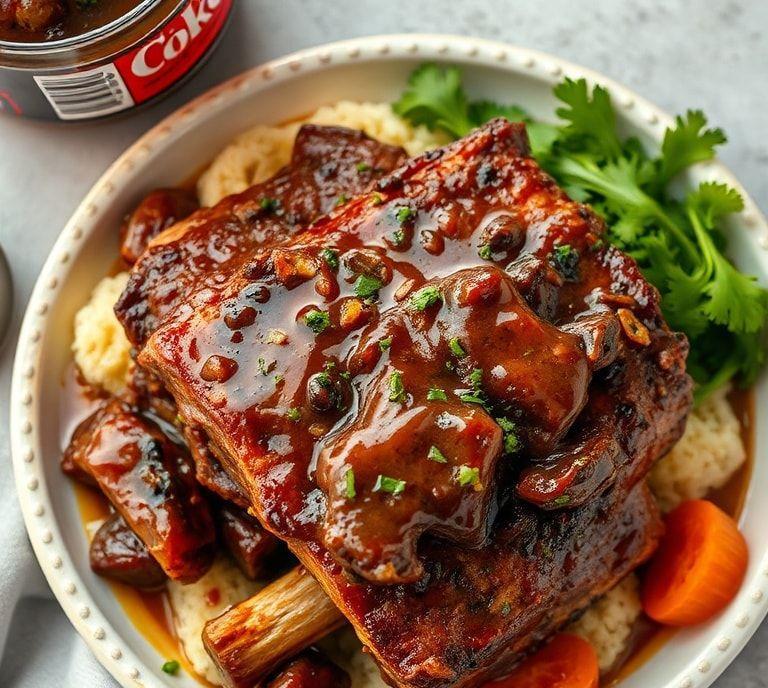
English Roast Slow Cooker Recipe (Guide)
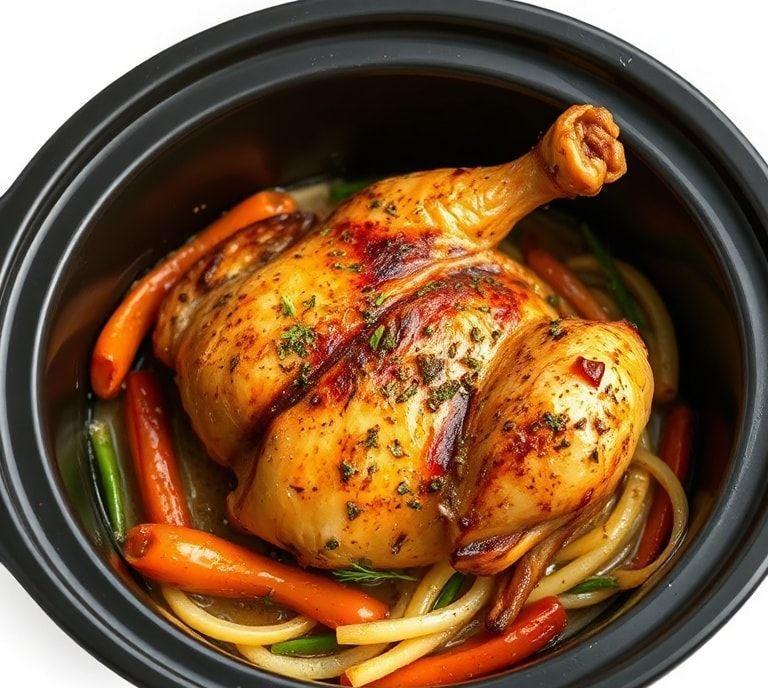
Let me tell you, there’s something utterly comforting about a traditional English roast, especially when it’s made in a slow cooker. Picture this: the aroma of tender meat slowly cooking all day, mingling with earthy vegetables and rich, savory gravy. By the time you sit down to eat, your kitchen feels like the coziest little corner of England, and every bite practically melts in your mouth.
The beauty of using a slow cooker is not just in convenience (because let’s be honest, who has time to stand over a stove for hours?), but also in the depth of flavor. Cooking low and slow allows the meat to absorb every nuance from herbs, stock, and seasoning, while the vegetables get perfectly tender-sometimes almost buttery in texture. It’s one of those meals that impresses without demanding constant attention.
This recipe is versatile, approachable for beginners, and endlessly adaptable if you love tinkering in the kitchen. So, grab your slow cooker, pour yourself a cup of tea (or maybe a glass of something stronger), and let’s dive into the magic of an English roast that practically cooks itself.
English Roast Slow Cooker Recipe
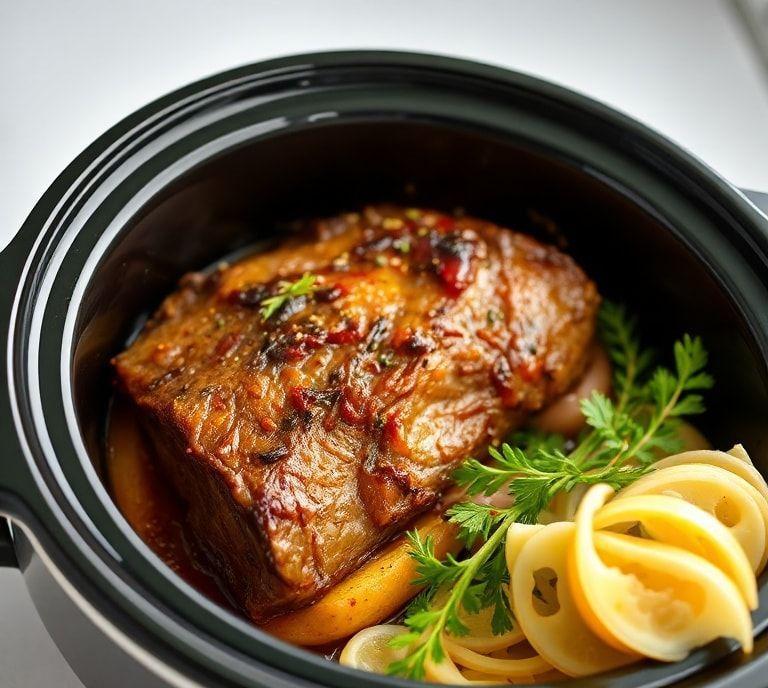
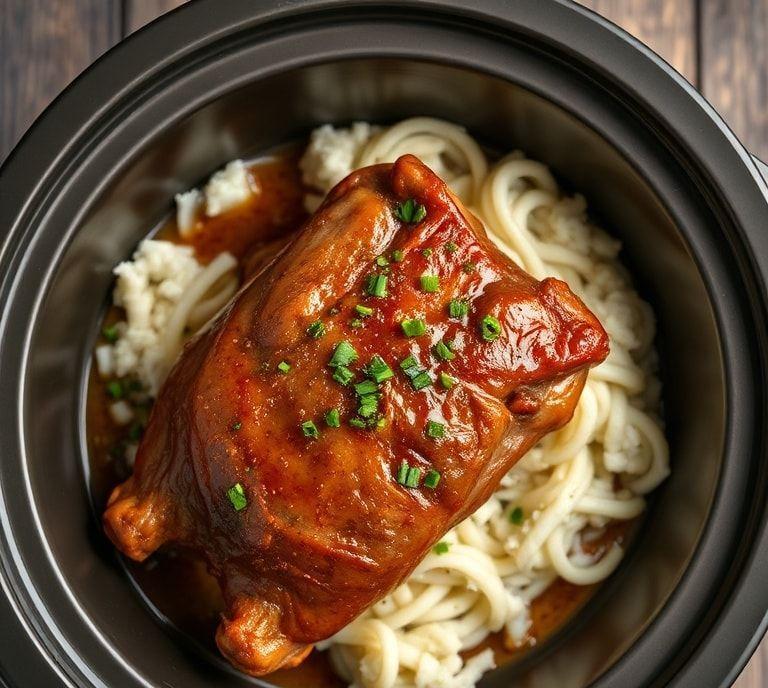
Here’s what we’re aiming for: a classic English roast that’s melt-in-your-mouth tender, with rich, savory flavors, beautifully cooked vegetables, and gravy that could make anyone swoon. This dish is perfect for a Sunday dinner, special occasions, or just a way to treat yourself to a comforting meal during the week.
We’ll cook the beef or lamb low and slow, letting it absorb all the flavors while the slow cooker does the heavy lifting. By the time you lift the lid, your kitchen will smell like a traditional English countryside Sunday roast.
Ingredient List
To create a proper slow-cooked English roast, here’s what you’ll need:
-
Meat
- 3-4 pounds of beef roast (chuck or rump) or lamb shoulder
-
Vegetables
- 4 large carrots, peeled and cut into chunks
- 3-4 parsnips, peeled and chopped
- 1 large onion, quartered
- 3-4 cloves garlic, smashed
- Optional: potatoes, turnips, or celery
-
Liquid Base
- 1 cup beef or vegetable stock
- ½ cup red wine (optional, but adds incredible depth)
-
Seasonings & Herbs
- 2 teaspoons salt
- 1 teaspoon black pepper
- 1 teaspoon dried thyme or a few sprigs of fresh thyme
- 1 teaspoon rosemary or a few sprigs of fresh rosemary
- 1 bay leaf
-
Extras For Flavor
- 2 tablespoons Worcestershire sauce
- 1 tablespoon tomato paste (optional, for richer gravy)
Instruction Guide
Now, let’s break this down step by step, nice and easy:
-
Prep The Meat
- Pat your roast dry with paper towels. This ensures a good sear if you choose to brown it first.
- Optional: Heat a skillet with a little oil and sear the roast on all sides for a golden crust-this adds flavor, but it’s not essential.
-
Prepare The Vegetables
- Chop all your vegetables into even-sized pieces so they cook uniformly.
-
Layer The Slow Cooker
- Place the vegetables at the bottom of the slow cooker. This forms a natural ’rack’ for your roast and prevents it from sitting directly in liquid.
- Place the roast on top of the vegetables.
-
Add Seasonings And Liquids
- Sprinkle salt, pepper, thyme, and rosemary over the roast.
- Pour in the stock, wine, Worcestershire sauce, and tomato paste around the roast-not directly on top-to preserve the seasoning.
- Tuck in the bay leaf.
-
Cooking Time
- Cover and cook on low for 8-10 hours or high for 4-5 hours, depending on your schedule.
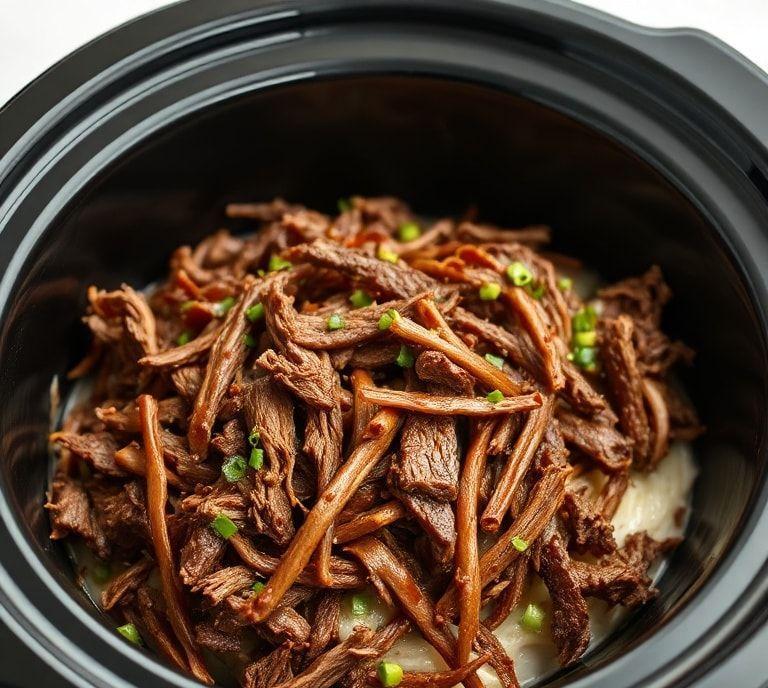
- The meat should be fork-tender and vegetables soft.
-
Finishing Touches
- Remove the meat and vegetables carefully.
- Optional: Thicken the liquid into gravy using a slurry of cornstarch and water. Pour over the roast and vegetables just before serving.
Ingredient Swaps
Life is busy, and sometimes your pantry doesn’t match the recipe exactly. Here’s how to make substitutions without losing flavor:
- Meat: Pork shoulder or chicken thighs can work in a pinch. Cooking times will vary.
- Vegetables: Sweet potatoes, butternut squash, or rutabaga make excellent substitutes for carrots and parsnips.
- Liquid: Use apple cider, beer, or even a mix of stock and water instead of wine.
- Herbs: If fresh thyme or rosemary aren’t available, dried herbs are perfectly fine; use about a third of the amount since dried herbs are more concentrated.
Helpful Tips
These little tricks can elevate your roast to restaurant-quality level:
- Searing adds flavor: A quick browning step makes a huge difference in aroma and color.
- Don’t lift the lid: Every time you peek, heat escapes, and cooking time increases.
- Layer strategically: Harder vegetables go on the bottom, softer ones on top.
- Use a meat thermometer: Aim for 145°F for medium-rare beef, 160°F for medium, or let it go higher for tender, pull-apart texture.
- Rest the meat: Let the roast rest for 15-20 minutes before slicing-it keeps juices inside.
Customization Ideas
Make this dish your own with a few creative twists:
- Flavor boosters: Add a splash of balsamic vinegar or a teaspoon of Dijon mustard to the sauce.
- Veggie upgrades: Roast mushrooms separately and stir in at the end for an earthy kick.
- Herb experiments: Tarragon, sage, or marjoram can give a unique twist.
- Creamy gravy: Stir in a dollop of sour cream or cream cheese into the gravy for a silky texture.
- Spicy kick: Add a pinch of smoked paprika or a chopped chili for subtle warmth.
FAQs
What Cut Of Meat Is Best For An English Roast In A Slow Cooker?
For a classic English roast in a slow cooker, cuts like beef chuck, brisket, or silverside are ideal. These cuts are well-marbled and become tender when cooked slowly over several hours, making them perfect for slow cooking.
How Long Should I Cook An English Roast In A Slow Cooker?
Cooking times vary depending on the size of the roast and the slow cooker settings. Generally, cook on low for 6 to 8 hours or on high for 4 to 5 hours. Low and slow cooking ensures a tender, flavorful roast.
Do I Need To Sear The Roast Before Slow Cooking?
Searing the roast is optional but recommended. Browning the meat in a hot pan before adding it to the slow cooker enhances flavor through the Maillard reaction and adds depth to the resulting gravy.
What Vegetables Go Well In An English Roast Slow Cooker Recipe?
Traditional vegetables include carrots, potatoes, parsnips, and onions. You can also add celery or turnips. Chop them into large chunks so they hold their shape during the slow cooking process.
Should I Add Liquid To The Slow Cooker, And What Kind?
Yes, adding liquid is essential to prevent the meat from drying out. Use beef stock, broth, or a combination of stock and a small amount of red wine. Typically, 1 to 2 cups of liquid are sufficient for a standard roast.
How Can I Make A Rich Gravy From The Slow Cooker Drippings?
Remove the meat and vegetables, then strain the cooking liquid. Transfer it to a saucepan and simmer. To thicken, mix a tablespoon of cornstarch or flour with cold water and whisk it into the simmering liquid until the desired consistency is reached.
Can I Cook A Frozen Roast In A Slow Cooker?
It is not recommended to cook a frozen roast in a slow cooker, as the meat may remain in the danger zone (40-140°F) for too long, increasing the risk of bacterial growth. Always thaw the roast in the refrigerator before slow cooking.
What Seasonings Are Traditionally Used In An English Roast Slow Cooker Recipe?
Common seasonings include salt, black pepper, garlic, thyme, rosemary, and bay leaves. You can also add a splash of Worcestershire sauce or mustard for extra depth.
Can I Use A Slow Cooker To Make A Sunday Roast For Guests?
Yes, a slow cooker is perfect for a stress-free Sunday roast. It allows you to prepare the meat and vegetables ahead of time and cook them while you attend to other tasks, resulting in a tender, flavorful meal.
How Do I Prevent The Meat From Becoming Dry In The Slow Cooker?
Ensure the roast is partially submerged in liquid, avoid lifting the lid frequently, and use cuts of meat with some fat marbling. Cooking on low rather than high will also help retain moisture and tenderness.