Slow Cooked Tomato Sauce Recipe (Guide)
Let’s take a moment to celebrate one of the simplest, yet most transformative staples in the kitchen: tomato sauce. This is not just any tomato sauce-it’s the kind that simmers slowly, letting each ingredient release its flavor gradually until the end result is a deep, rich, and utterly irresistible sauce. Think of it as the kind of sauce that makes your kitchen smell like an Italian trattoria, and once you taste it, you’ll wonder how you ever settled for the jarred stuff.
The beauty of slow-cooked tomato sauce is that it’s versatile, comforting, and incredibly forgiving. It’s perfect for pasta, pizza, lasagna, or even as a base for soups and stews. Plus, once you master the technique, you’ll have a sauce that rivals anything you’ve ever had at a restaurant.
Slow Cooked Tomato Sauce Recipe
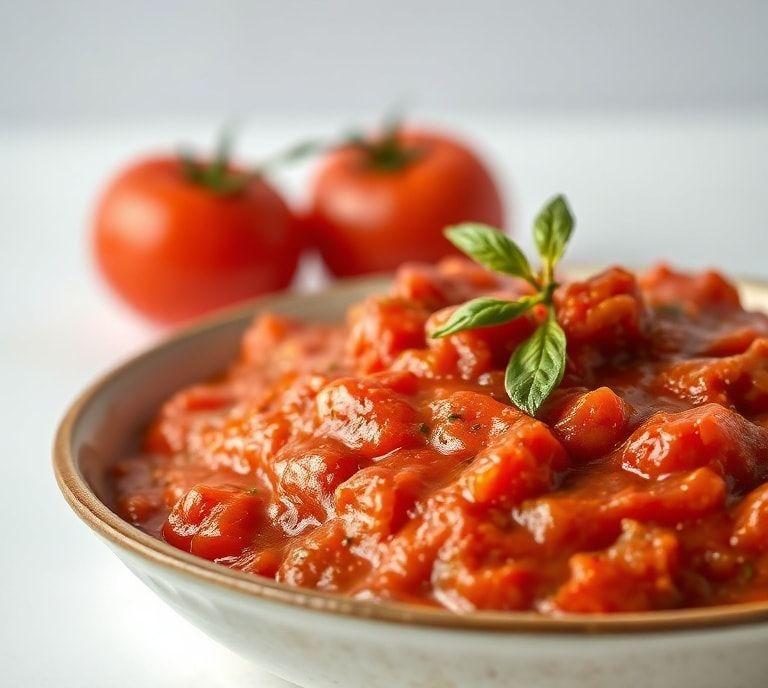
This recipe is all about patience and love. Slow cooking lets the tomatoes meld with herbs, garlic, and a hint of sweetness, resulting in a sauce that’s vibrant, savory, and deeply satisfying.
Ingredient List
- Tomatoes (fresh or canned) – 2 lbs fresh Roma tomatoes or two 28-ounce cans of whole peeled tomatoes
- Olive oil – 3 tablespoons, preferably extra virgin for rich flavor
- Onion – 1 medium, finely chopped
- Garlic – 4 cloves, minced (adjust if you love garlic)
- Carrot – 1 small, finely grated (optional, adds natural sweetness)
- Celery – 1 stalk, finely chopped (optional, for depth)
- Tomato paste – 2 tablespoons, to intensify the tomato flavor
- Fresh basil – 6-8 leaves, roughly torn
- Dried oregano – 1 teaspoon
- Salt and black pepper – to taste
- Sugar – 1 teaspoon (optional, balances acidity)
- Water or vegetable broth – 1/2 cup, if the sauce seems too thick
Instruction Guide
-
Prep The Vegetables
- Dice onions finely, mince garlic, grate the carrot, and chop celery if using. This prep work ensures everything cooks evenly and blends beautifully.
-
Sauté The Aromatics
- In a large saucepan or Dutch oven, heat olive oil over medium heat.
- Add onions, carrot, and celery, sautéing until soft and fragrant (around 5-7 minutes).
- Toss in garlic and cook for another 30-60 seconds until aromatic-don’t let it burn!
-
Add The Tomatoes
- If using fresh tomatoes, peel them by blanching in boiling water for 30 seconds and then plunge into ice water. Chop roughly.
- If using canned, crush the tomatoes with your hands or a spoon for a more rustic texture.
- Stir in tomato paste for extra depth.
-
Season The Sauce
- Add basil, oregano, salt, pepper, and sugar if using.
- Mix well, making sure all the flavors are evenly distributed.
-
Simmer Low And Slow
- Reduce heat to low and let the sauce simmer uncovered for 1.5 to 2 hours.
- Stir occasionally to prevent sticking, but let it develop a slow, rich flavor.
-
Blend (optional)
- For a silky-smooth sauce, use an immersion blender directly in the pot, or transfer to a blender in batches.
-
Taste And Adjust
- Add more salt, pepper, or a drizzle of olive oil if needed.
Ingredient Swaps
- Tomatoes: Swap fresh for canned San Marzano for a sweeter, more concentrated flavor.
- Onion: Shallots or leeks can be used for a subtler, slightly sweet base.
- Garlic: Roasted garlic adds a mellow, caramelized flavor.
- Herbs: Try thyme, rosemary, or a pinch of red pepper flakes for a twist.
- Liquid: Instead of water or broth, add a splash of red wine for richness.
Helpful Tips
- Low and slow is key: Rushing this sauce over high heat will result in a sharp, acidic flavor rather than a mellow, rich one.
- Taste as you go: Tomatoes vary in acidity and sweetness, so adjust seasoning gradually.
- Use a heavy-bottomed pot: Prevents scorching and promotes even cooking.
- Make ahead: This sauce tastes even better the next day, and it freezes beautifully.
Customization Ideas
- Chunky vs. Smooth: Leave tomatoes chunky for rustic pasta or blend for a velvety pizza sauce.
- Spicy kick: Add red pepper flakes or a diced chili while sautéing the vegetables.
- Creamy variation: Stir in a splash of cream or mascarpone for a luscious tomato cream sauce.
- Vegetable boost: Add roasted bell peppers, zucchini, or mushrooms to make it heartier.
FAQs
What Ingredients Are Typically Used In A Slow Cooked Tomato Sauce?
A traditional slow cooked tomato sauce usually includes ripe tomatoes, olive oil, onions, garlic, carrots, celery, fresh or dried herbs such as basil and oregano, salt, pepper, and sometimes a splash of red wine or balsamic vinegar for depth of flavor.
How Long Should I Cook Tomato Sauce Slowly?
Slow cooking tomato sauce typically requires 2 to 6 hours on low heat. The longer cooking time allows flavors to meld and develop a richer, sweeter taste. Using a slow cooker or simmering gently on the stove works best.
Can I Use Canned Tomatoes Instead Of Fresh Ones?
Yes, canned whole or crushed tomatoes are a convenient and reliable option. They often provide a consistent flavor and are ideal for long slow cooking since their acidity and sweetness are already balanced.
Do I Need To Peel The Tomatoes Before Cooking?
Peeling tomatoes is optional. Cooking them slowly will soften the skins, and you can either leave them for texture or blend the sauce afterward for a smooth consistency. Blanching tomatoes briefly in boiling water makes peeling easier if desired.
How Can I Make My Slow Cooked Tomato Sauce Sweeter Without Adding Sugar?
To enhance natural sweetness, use ripe tomatoes, carrots, or onions, which caramelize during slow cooking. Roasting the tomatoes beforehand or allowing the sauce to reduce slowly can also intensify sweetness without adding sugar.
Can I Freeze Slow Cooked Tomato Sauce?
Yes, slow cooked tomato sauce freezes very well. Cool it completely, store it in airtight containers or freezer bags, and it can last up to 3 months. Thaw it in the refrigerator and reheat gently before use.
Should I Add Fresh Herbs At The Beginning Or End Of Cooking?
Dried herbs are best added at the beginning to allow their flavors to infuse during long cooking. Fresh herbs, like basil or parsley, are better added near the end to preserve their bright, fresh flavors and aroma.
How Do I Prevent My Tomato Sauce From Being Too Acidic?
Acidity can be balanced by adding a pinch of sugar, a small amount of baking soda, or incorporating naturally sweet vegetables such as carrots or onions. Slow cooking also helps mellow the acidity over time.
Is It Necessary To Stir The Sauce Frequently While Slow Cooking?
Frequent stirring is not necessary if using a slow cooker, but occasional stirring helps ensure even cooking, prevents sticking, and allows flavors to meld uniformly when cooking on the stovetop.
Can Slow Cooked Tomato Sauce Be Used For Other Dishes Besides Pasta?
Absolutely. This versatile sauce can be used as a base for pizza, lasagna, meatball dishes, soups, stews, or even as a dipping sauce. Its rich, concentrated flavor develops beautifully over long, slow cooking.